Jeep vehicles are famous for their rugged design and adventurous spirit. If you have ever seen a Jeep Wrangler or Gladiator, you probably noticed its strong roof.
But a common question among new buyers is: Does the Jeep hardtop come off? If you’re curious about roof options, practicality, and how easy it is to go “topless” in a Jeep, this article gives you everything you need to know.
Can You Remove A Jeep Hardtop?
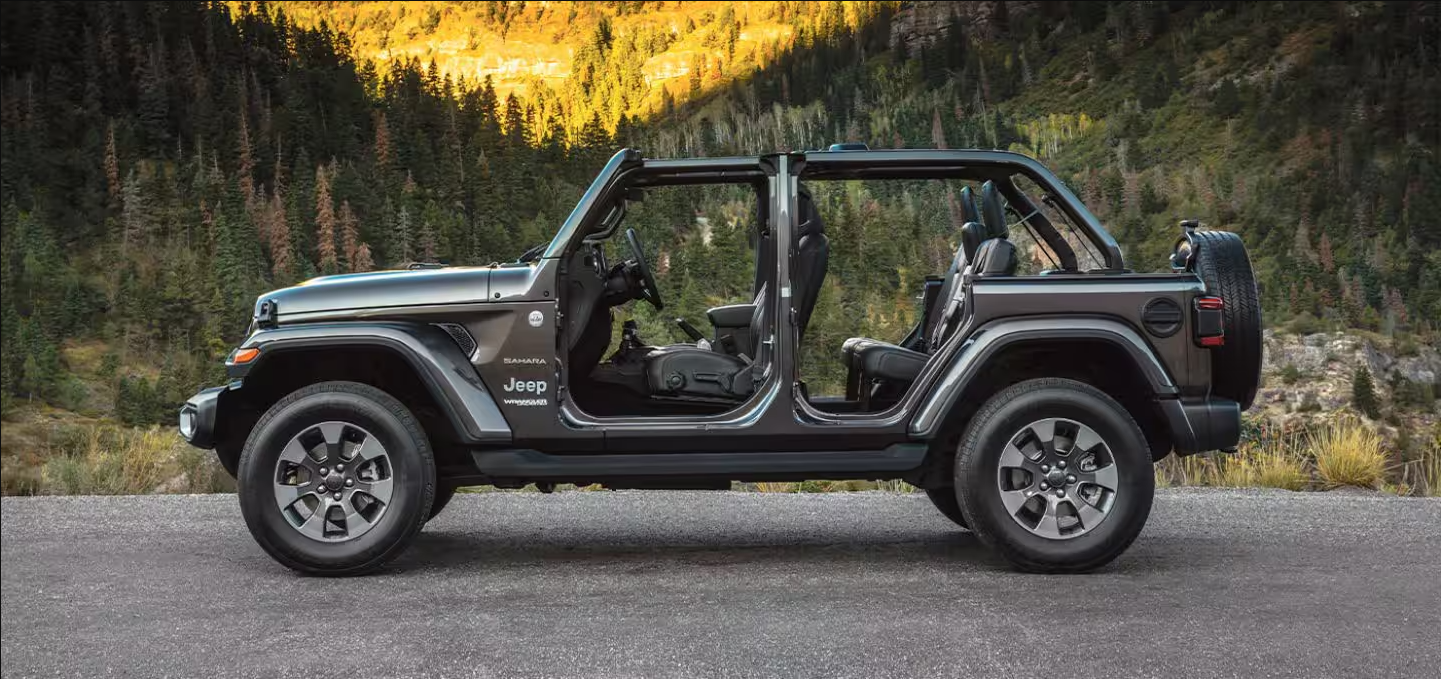
Yes, most Jeep hardtops are designed to be removed. This is true especially for the Jeep Wrangler and Jeep Gladiator models. Jeep’s removable roof is one of the main reasons why these vehicles are so popular with off-road fans and adventure seekers. Taking off the hardtop lets you enjoy open-air driving—something few other SUVs offer.
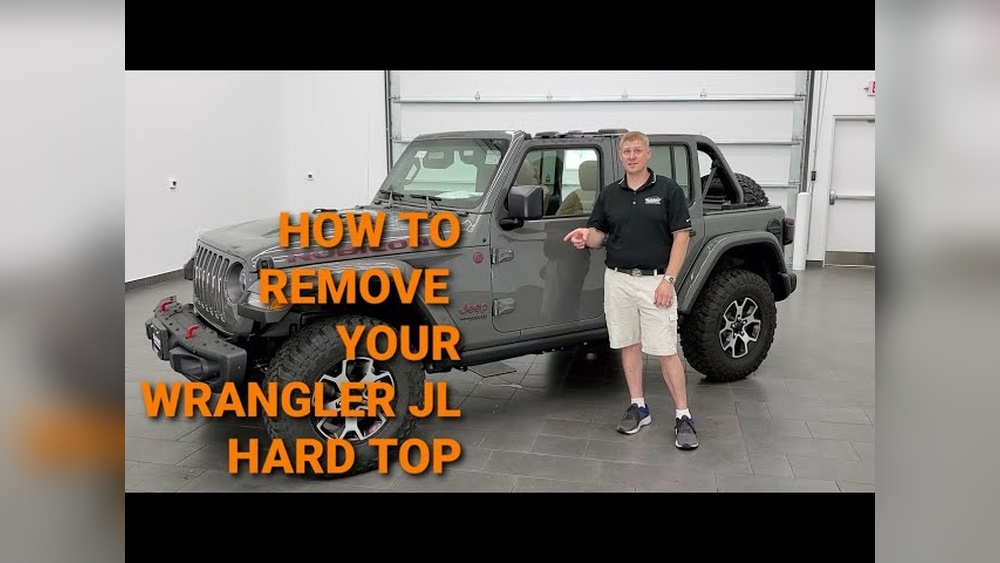
However, not all Jeep models come with a removable hardtop. Models like the Jeep Grand Cherokee or Jeep Compass have fixed roofs. Always check your specific model before making a decision.
Which Jeep Models Have Removable Hardtops?
The most common Jeeps with removable hardtops are:
- Jeep Wrangler (2-door and 4-door)
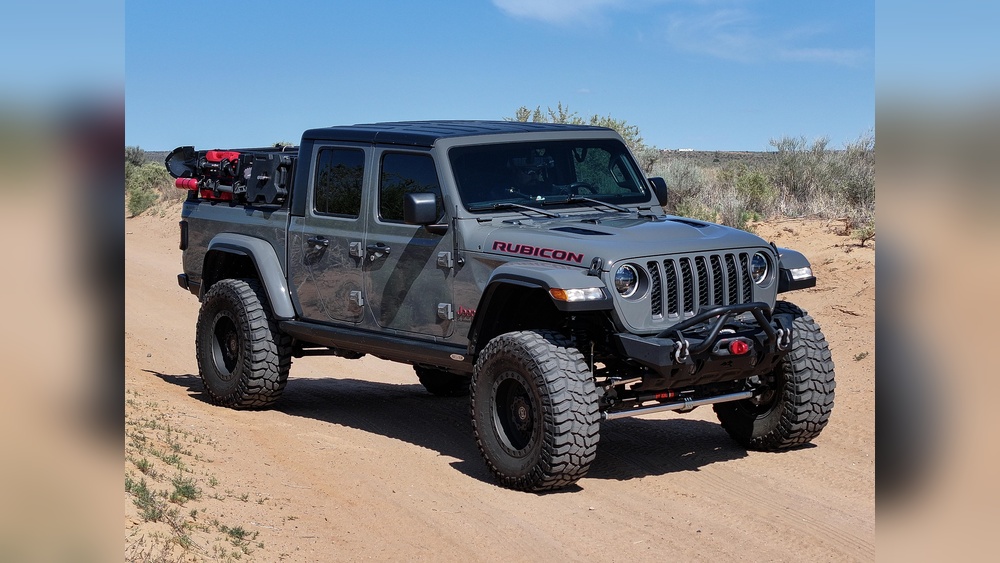
- Jeep Gladiator (pickup)
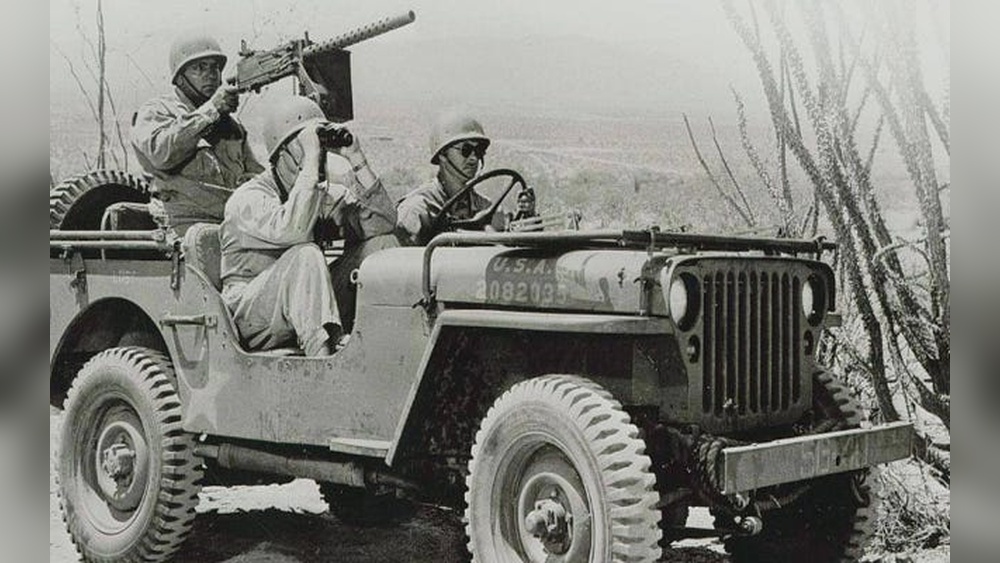
- Older Jeep CJ and YJ models
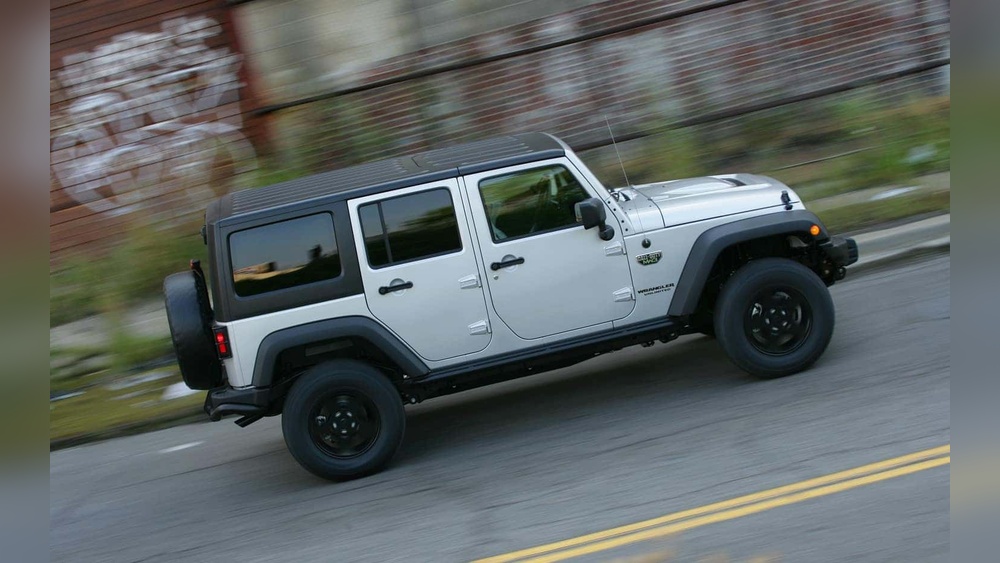
The Wrangler is the most famous for its easily removable roof. Both the 2-door and 4-door (Unlimited) versions let you remove the hardtop. The Gladiator, Jeep’s pickup, also features a removable hardtop.
Here’s a quick comparison of popular Jeep models and their roof options:
| Model | Removable Hardtop | Soft Top Option |
|---|---|---|
| Wrangler (2-door/4-door) | Yes | Yes |
| Gladiator | Yes | Yes |
| Grand Cherokee | No | No |
| Compass | No | No |
Types Of Jeep Hardtops
Jeep offers several types of hardtops:
- 3-piece Freedom Top: The most popular, found on newer Wranglers and Gladiators. It has two front panels and a rear section.
- 1-piece hardtop: Seen in older models, heavier and harder to remove.
- Color-matched hardtops: Painted to match your Jeep’s body color, more common in higher trims.
The Freedom Top is lighter and easier to remove than the old one-piece designs. You can remove just the front panels for a “targa” feel, or take off the entire roof.
| Hardtop Type | Pieces | Main Benefit |
|---|---|---|
| Freedom Top | 3 | Flexible, partial or full removal |
| 1-piece | 1 | Simple, but heavy |
| Color-matched | Varies | Style, matches vehicle body |
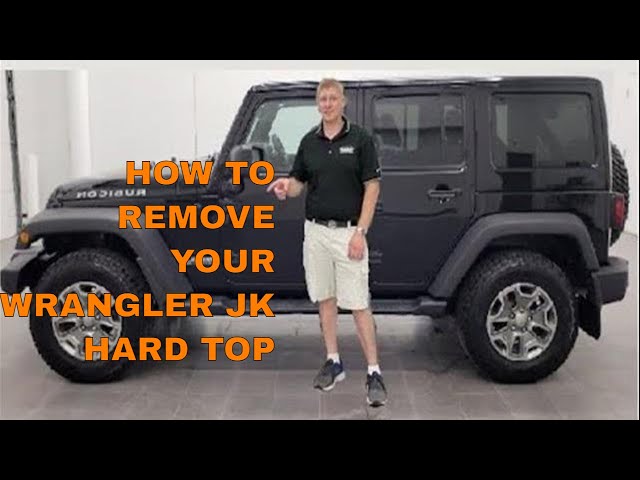
How To Remove A Jeep Hardtop
Taking off a Jeep hardtop is not difficult, but it does require some preparation.
- Gather tools: Most new Jeeps come with a special Torx tool kit. You’ll need this to remove bolts.
- Remove Freedom Panels: Start with the two front panels. Unlatch and lift them off.
- Disconnect electrical connections: If your hardtop has a rear wiper or defroster, disconnect these wires.
- Remove bolts: There are bolts along the roll bar and rear sides. Remove them carefully.
- Lift off the rear section: The back part of the hardtop can be heavy—about 80 to 100 pounds. Two people make the job safer.
Pro tip: Store the hardtop on a padded surface to avoid scratches. Some owners invest in a garage hoist system for easier lifting.
Here’s a simplified removal process:
| Step | What to Do | Time (approx.) |
|---|---|---|
| 1 | Remove Freedom Panels | 5 minutes |
| 2 | Unbolt rear section | 10 minutes |
| 3 | Disconnect wires | 2 minutes |
| 4 | Lift off roof | 5 minutes |
Things To Consider Before Removing The Hardtop
1. Weather protection
A hardtop provides better insulation and security than a soft top. If you remove it, you need to think about rain, sun, and temperature changes.
2. Storage space
Hardtops are large and can be awkward to store. They need a clean, dry place. Some people use a wall-mounted rack or ceiling hoist.
3. Security
With the hardtop off, your Jeep is more open. Items inside can be easier to steal, so avoid leaving valuables behind.
4. Noise and comfort
The hardtop reduces road noise and keeps the cabin more comfortable, especially on highways.
5. Installation effort
Putting the hardtop back on takes time and may require a second person. Make sure you keep all the bolts and hardware safe.
Common Mistakes When Removing A Jeep Hardtop
Many beginners rush the removal process or forget key steps. Here are two common mistakes:
- Forgetting to disconnect wires: If your hardtop has a rear defroster or wiper, disconnect these before lifting. Pulling on wires can cause expensive damage.
- Losing hardware: Jeep’s bolts and small parts are easy to misplace. Use a zip bag or small container to keep everything together.
Another point: Don’t force the panels if they seem stuck. Check for missed bolts or latches before applying extra pressure.
Why Do People Remove Their Jeep Hardtops?
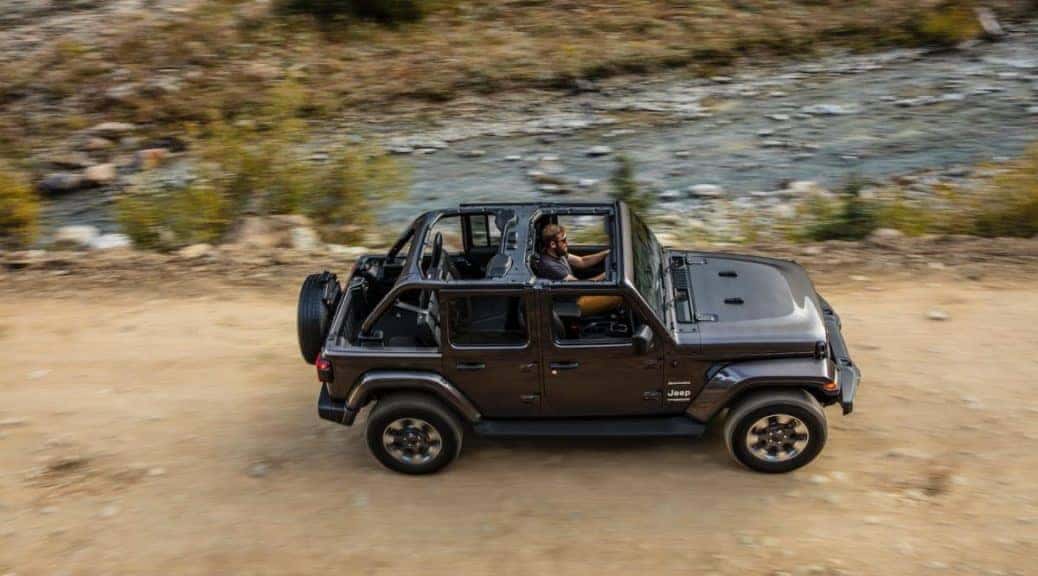
Drivers love the open-air experience. With the hardtop off, you get:
- 360-degree views for sightseeing and photography
- Closer connection to nature on trails
- Unique style—driving “topless” is a classic Jeep look
Some Jeep owners switch between the hardtop and a soft top for flexibility. The hardtop is great for winter, while the soft top is lighter and easy to fold down in summer.
Frequently Asked Questions
Can One Person Remove A Jeep Hardtop?
It’s possible, especially with the lighter Freedom Top panels. But the rear section is heavy and awkward. Two people are recommended for safety and to avoid damage.
How Long Does It Take To Remove A Jeep Hardtop?
Usually around 15 25 minutes for a first-timer. With experience, it may take less than 15 minutes. Having the right tools ready helps a lot.
Can You Drive A Jeep Without The Hardtop?
Yes. Many Jeep owners drive without the hardtop in good weather. Just remember you’ll have less protection from rain, sun, and theft.
Does Removing The Hardtop Affect Warranty?
No, as long as you follow the Jeep instructions and don’t break anything. Modifying or damaging electrical connections, however, can cause warranty issues.
Where Can I Find More Details About Jeep Hardtops?
For full instructions and safety info, check the official Jeep Wrangler site.
Removing a Jeep hardtop is a big part of the Jeep experience. It offers freedom, adventure, and a special connection to the outdoors. With a bit of practice and the right tools, you can make the swap between hardtop and open air whenever you like. Just plan for storage, weather, and always lift safely. Enjoy your Jeep—roof or no roof!