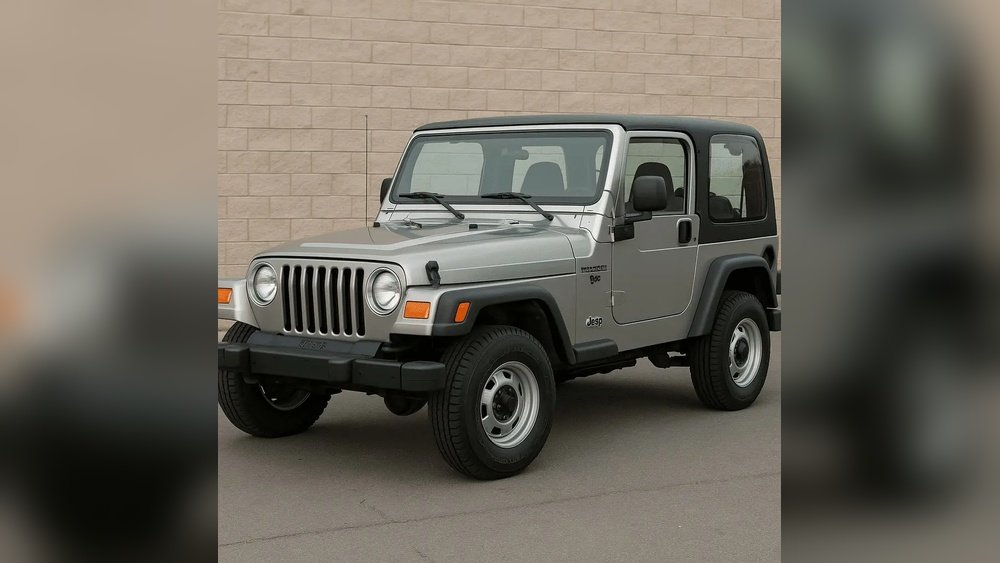
Many drivers choose the Jeep Wrangler for its classic look and rugged image. But behind the adventure-ready style, people often ask a practical question: “Do Jeep Wranglers last a long time?” Let’s dig deep into what makes these vehicles unique, how long they really last, and what you need to know before buying one.
How Long Do Jeep Wranglers Usually Last?
Most owners want to know if their investment will pay off over time. Jeep Wranglers have a reputation for durability, but the real numbers show a wider story.
On average, a well-cared-for Wrangler can reach 200,000 miles or more. Some even go beyond 300,000 miles with proper maintenance. If you drive 12,000 miles per year, that’s about 16 to 25 years of use.
Here’s a look at how the Wrangler compares to other SUVs:
| Vehicle Model | Typical Lifespan (Miles) | Years (Average Use) |
|---|---|---|
| Jeep Wrangler | 200,000–300,000 | 16–25 |
| Toyota 4Runner | 250,000–300,000 | 20–25 |
| Ford Bronco | 150,000–200,000 | 12–16 |
| Honda CR-V | 200,000–250,000 | 16–20 |
Most Wranglers last as long as, or longer than, many other popular SUVs. But reaching these numbers depends on several factors.
What Helps Jeep Wranglers Last So Long?
Wranglers are built with a focus on off-road strength and simple design. This combination helps them handle both city roads and tough trails.
Key Factors For Long Life
- Solid Frame: The Wrangler uses a body-on-frame design. This makes it tougher than many modern SUVs, which use unibody frames.
- Simple Engineering: Many parts, like the engine and transmission, are easy to repair or replace.
- Readily Available Parts: The Wrangler’s popularity means it’s easy to find replacement parts, even for older models.
Popular Wrangler Engines
| Engine Type | Average Lifespan (Miles) | Remarks |
|---|---|---|
| 3.6L V6 Pentastar | 200,000+ | Reliable, used since 2012 |
| 4.0L I6 | 250,000+ | Legendary durability (1986–2006) |
| 2.0L Turbo I4 | 150,000–200,000 | Newer, still being tested long-term |
Older 4. 0L engines are known for lasting over 300,000 miles with basic care. Newer engines, like the Pentastar V6, also show strong long-term results.
Common Problems That Limit Wrangler Lifespan
Even tough vehicles have weak points. Some issues can shorten a Wrangler’s life if not handled early.
- Rust: Older Wranglers, especially those before 2007, may develop rust on the frame or underbody. Washing the underside, especially after driving on salty roads, helps reduce this risk.
- Electrical Issues: Newer Wranglers with more tech may have electrical faults—door locks, windows, and dash lights are common trouble spots.
- Transmission Wear: Frequent off-roading or towing can put extra stress on the transmission.
- Soft Top Leaks: If you use a soft top, water leaks can lead to mold or electrical problems inside the cabin.
One insight many new owners miss: Off-road use wears parts faster. If you drive mostly on pavement, your Wrangler may last longer than one that hits the trails every weekend.
Owner Habits That Make A Big Difference
A Wrangler’s lifespan depends heavily on how you take care of it. Regular maintenance is more important than most people think.
Maintenance Milestones
| Service | Recommended Interval |
|---|---|
| Oil Change | Every 5,000–7,500 miles |
| Transmission Fluid | Every 30,000–60,000 miles |
| Differential Fluid | Every 30,000 miles |
| Rust Check | Every 12 months |
It’s also wise to:
- Avoid pushing the Wrangler to its limits every time you drive.
- Use quality parts for replacements.
- Keep records of all maintenance and repairs.
Many people overlook the importance of tire care and suspension checks. These parts take a beating during off-road use, and ignoring them can lead to bigger, more expensive problems later.
Real-world Examples: High-mileage Jeep Wranglers
You’ll find many stories online of Wranglers crossing 250,000 miles. Some owners proudly drive their 1990s Wranglers daily, with only basic repairs like brakes and alternators.
A well-known case is a 1997 Jeep Wrangler TJ reaching over 400,000 miles with its original engine and transmission. This level of endurance shows what’s possible with regular care and smart driving habits.
Is A Jeep Wrangler Right For You?
Wranglers last a long time, but they’re not for everyone. They ride rougher than most SUVs, and fuel economy is lower.
But if you want a vehicle that can handle nearly anything and don’t mind a few rattles, the Wrangler is a solid choice.
Keep in mind:
- Resale value is strong for Wranglers, even with higher mileage.
- Repairs are often cheaper than with luxury SUVs.
- Older Wranglers (before 2007) have fewer electronics, which can mean fewer costly problems.
For more on the Wrangler’s history and reputation, see the Jeep Wrangler Wikipedia page.
A Wrangler may outlast other cars if you give it the attention it needs. But if you want a quiet, smooth ride with little maintenance, it’s worth considering other options.
Frequently Asked Questions
How Many Miles Can A Jeep Wrangler Last?
With good maintenance, most Wranglers last 200,000 miles or more. Some reach 300,000 miles or higher, especially if used mostly on-road and cared for well.
Is A Jeep Wrangler Expensive To Maintain?
Wranglers are not the cheapest to maintain, but they are usually less costly than luxury SUVs. Common parts are easy to find, and many repairs are straightforward for DIY owners.
Do Jeep Wranglers Rust Easily?
Older Wranglers can rust, especially in places with winter salt. Modern Wranglers have better coatings, but it’s still smart to wash the undercarriage often and check for rust every year.
Are Jeep Wranglers Reliable For Daily Driving?
Yes, as long as you keep up with maintenance. However, the ride is stiffer and noisier than most crossovers. If you value comfort, test-drive before buying.
What Is The Best Year For A Long-lasting Wrangler?
Many experts praise the 2004–2006 Wrangler TJ (with the 4.0L engine) for legendary durability. The 2012–2018 JK with the Pentastar V6 is also a strong, reliable choice for long-term ownership.
A Jeep Wrangler can last decades with the right care. If you love adventure, value strength over luxury, and keep up with maintenance, it may be the right vehicle for you.