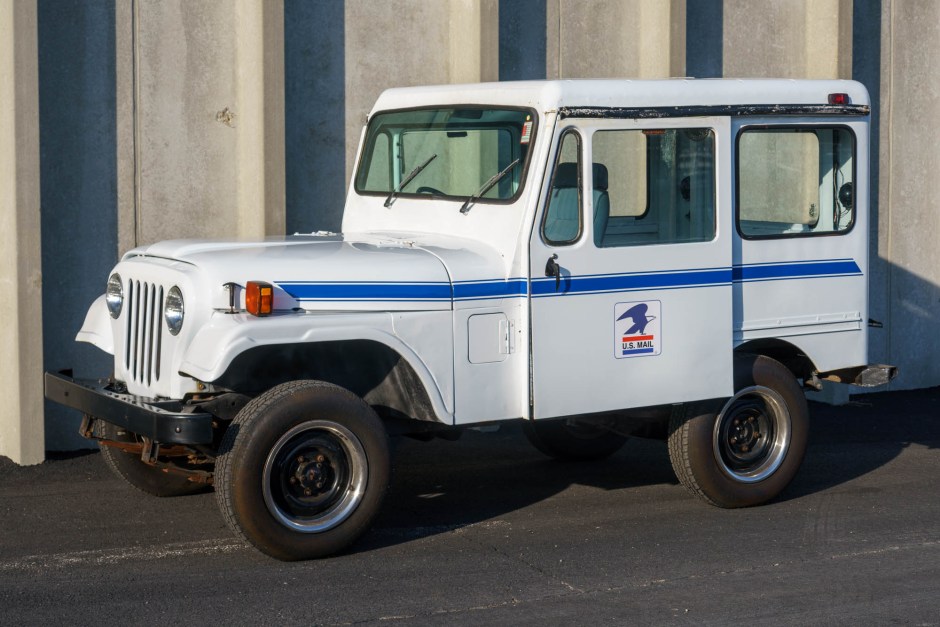
The AM General Postal Jeep is a unique and recognizable vehicle that played a major role in the history of mail delivery in the United States. With its boxy shape, sliding doors, and steering wheel on the right side, it became an icon on American streets for decades.
But why did the United States Postal Service (USPS) choose this vehicle, and what made it so effective for its job? Let’s take a closer look at the story behind this classic mail truck.
The Birth Of The Postal Jeep
During the 1950s and 1960s, the USPS needed a reliable and efficient vehicle for mail delivery. Most carriers used regular cars or even walked their routes. But these options were slow and sometimes unsafe, especially in bad weather or rural areas.
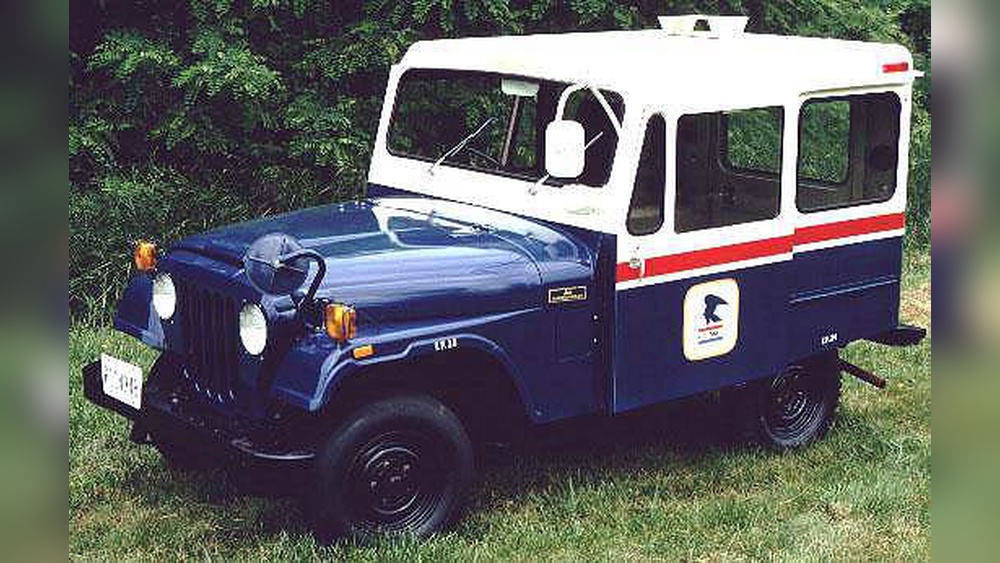
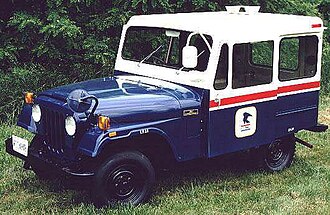
AM General, a well-known American vehicle manufacturer, stepped in with a solution. In 1963, the company began producing the Jeep Fleetvan, which was soon followed by the more famous Jeep DJ (Dispatcher Jeep) series. The most common model, the Jeep DJ-5, was introduced in 1968 and quickly became the standard mail delivery vehicle across the country.
Key Features That Made It Perfect For The Job
The AM General Postal Jeep wasn’t just any vehicle. It was built with the needs of mail carriers in mind. Here are some of its most important features:
- Right-hand drive: The steering wheel was on the right side, making it easier for carriers to reach mailboxes from the driver’s seat without leaving the vehicle.
- Compact size: The small body made it easy to maneuver through narrow streets and crowded neighborhoods.
- Sliding doors: These allowed quick entry and exit, saving time on each stop.
- Simple mechanics: The Jeep was easy to repair and maintain, which kept costs low for the USPS.
Here’s a quick comparison of the Jeep DJ-5 to a typical car of its era:
| Feature | Jeep DJ-5 | Typical Sedan (1970s) |
|---|---|---|
| Drive Position | Right-hand | Left-hand |
| Doors | Sliding | Hinged |
| Cargo Space | Large rear area | Standard trunk |
| Turning Radius | Tight | Wide |
Technical Details And Performance
The Jeep DJ-5 had a simple but tough design. Most models came with a 2.5L or 3.8L engine, rear-wheel drive, and a 3-speed automatic transmission. They were not fast vehicles—top speed was around 60 mph—but speed wasn’t the goal. Reliability and ease of use were much more important.
Most Postal Jeeps could carry hundreds of pounds of mail daily. Their fuel economy ranged from 13 to 20 miles per gallon, depending on the engine and route type.
Here’s a summary of the main technical specs:
| Specification | Detail |
|---|---|
| Engine | 2.5L I4 / 3.8L I6 |
| Transmission | 3-speed automatic |
| Drive type | Rear-wheel drive |
| Fuel economy | 13-20 mpg |
| Top speed | ~60 mph |
Why The Postal Jeep Became An Icon
The AM General Postal Jeep became more than a work vehicle. Its boxy shape and bright white paint with a blue and red stripe made it instantly recognizable. For many Americans, it was a symbol of reliable service.
There are two interesting facts many people overlook:
- The Postal Jeep’s right-hand drive made it popular with rural letter carriers even after the USPS stopped using them. Some carriers bought retired Jeeps for personal use.
- The Jeep was never designed for harsh winters, but many postal workers added homemade insulation and heaters to survive cold days.
The End Of An Era
By the late 1980s, the Jeep DJ-5 was showing its age. Safety standards had changed, and the USPS needed more modern vehicles with better comfort, cargo space, and fuel economy. The Grumman LLV (Long Life Vehicle) began to replace the Postal Jeep in 1987.
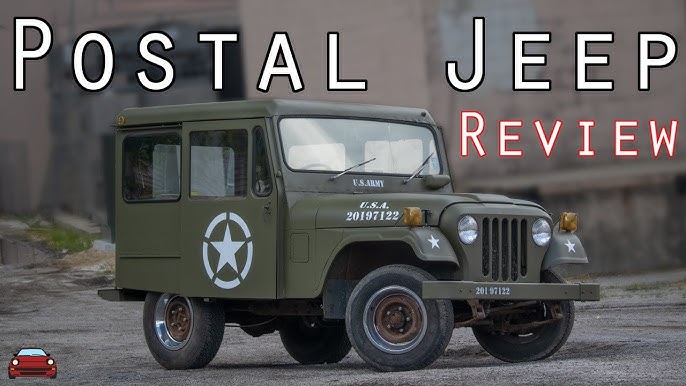
Today, most Postal Jeeps are found in museums, private collections, or still used by enthusiasts. They remain popular with classic car fans and can sometimes be seen at auto shows or parades.
Here’s a comparison of the Jeep DJ-5 and its replacement, the Grumman LLV:
| Feature | Jeep DJ-5 | Grumman LLV |
|---|---|---|
| Years in Service | 1968–1988 | 1987–present |
| Cargo Capacity | Smaller | Larger |
| Engine Type | Gasoline only | Gasoline only |
| Safety Features | Basic | Improved |
Legacy And Collector Appeal
Despite being replaced, the AM General Postal Jeep left a mark on American culture. Many car enthusiasts restore them for fun or nostalgia. Parts are still easy to find, and there are clubs dedicated to keeping these vehicles running.
The Postal Jeep’s simple mechanics mean even beginners can learn basic car repair. But rust and age are common problems, so inspecting any Jeep before buying is important.
Where To See A Postal Jeep Today
If you want to see an original Postal Jeep, check local car shows, classic car museums, or online auction sites. Some small post offices in rural areas still use older models for light duty.
For more historical details and photos, the Jeep DJ Wikipedia page is a helpful resource.
Frequently Asked Questions
What Does “dj” Stand For In Jeep Dj-5?
DJ means “Dispatcher Jeep.” The number 5 shows it’s the fifth generation in the series.
Why Was The Postal Jeep Right-hand Drive?
Right-hand drive made it easier for mail carriers to deliver mail directly into roadside mailboxes without leaving the vehicle.
Are Postal Jeeps Street Legal Today?
Yes, most retired Postal Jeeps are street legal. Owners must ensure they meet local safety and emissions laws.
Can You Buy An Old Postal Jeep?
Yes, you can find them for sale at online auctions, classic car dealers, and sometimes through USPS surplus sales.
Was The Postal Jeep Ever Used Outside The Us?
A few were exported for mail delivery in other countries, but the right-hand drive design was mainly for US use.
The AM General Postal Jeep is more than just a piece of automotive history—it’s a reminder of a time when a simple, tough vehicle helped keep the nation’s mail moving every day. Its unique design and long service life make it a favorite among collectors and car fans alike.