The Jeep Liberty once stood out as a compact SUV with a bold design and solid off-road ability. Many drivers remember seeing it on roads and trails, but today, it’s not part of Jeep’s new lineup.
If you’re curious about when the Jeep Liberty was discontinued, why it happened, and what replaced it, this article provides clear answers.
You’ll also find helpful comparisons and facts to help you understand the Liberty’s place in Jeep’s history.
Whether you are considering buying a used Liberty or just want to know more about its legacy, this guide gives you the important details and context you need.
The End Of Jeep Liberty Production
The Jeep Liberty was officially discontinued after the 2012 model year. The last Jeep Liberty rolled off the assembly line in August 2012 at the Toledo North Assembly Plant in Ohio. While you may see used models on the road, there have been no new Jeep Liberties sold in the US since then. The model’s production lasted just over a decade, making it a short-lived but memorable SUV in Jeep’s history.
Key timeline points:
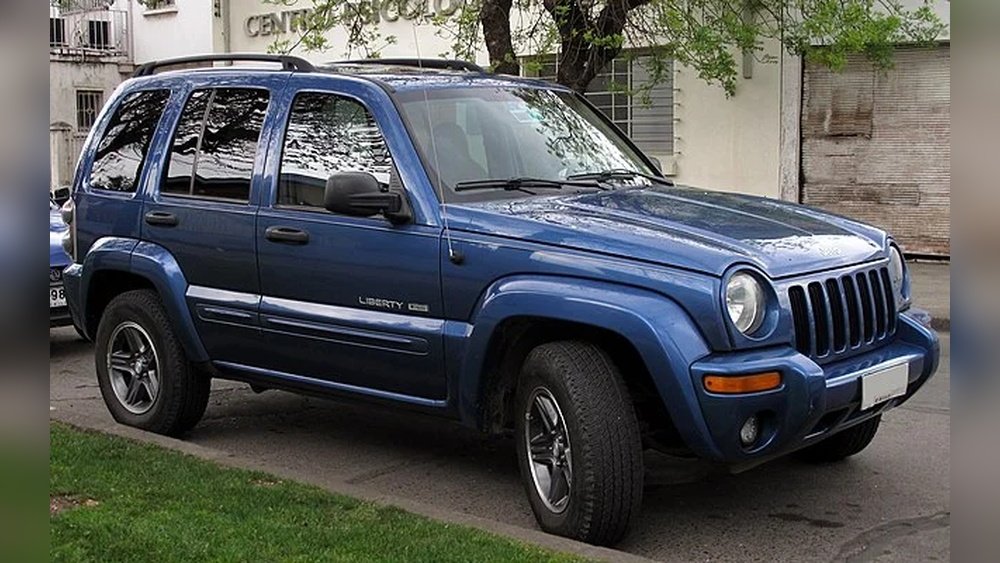
- First generation: 2002–2007
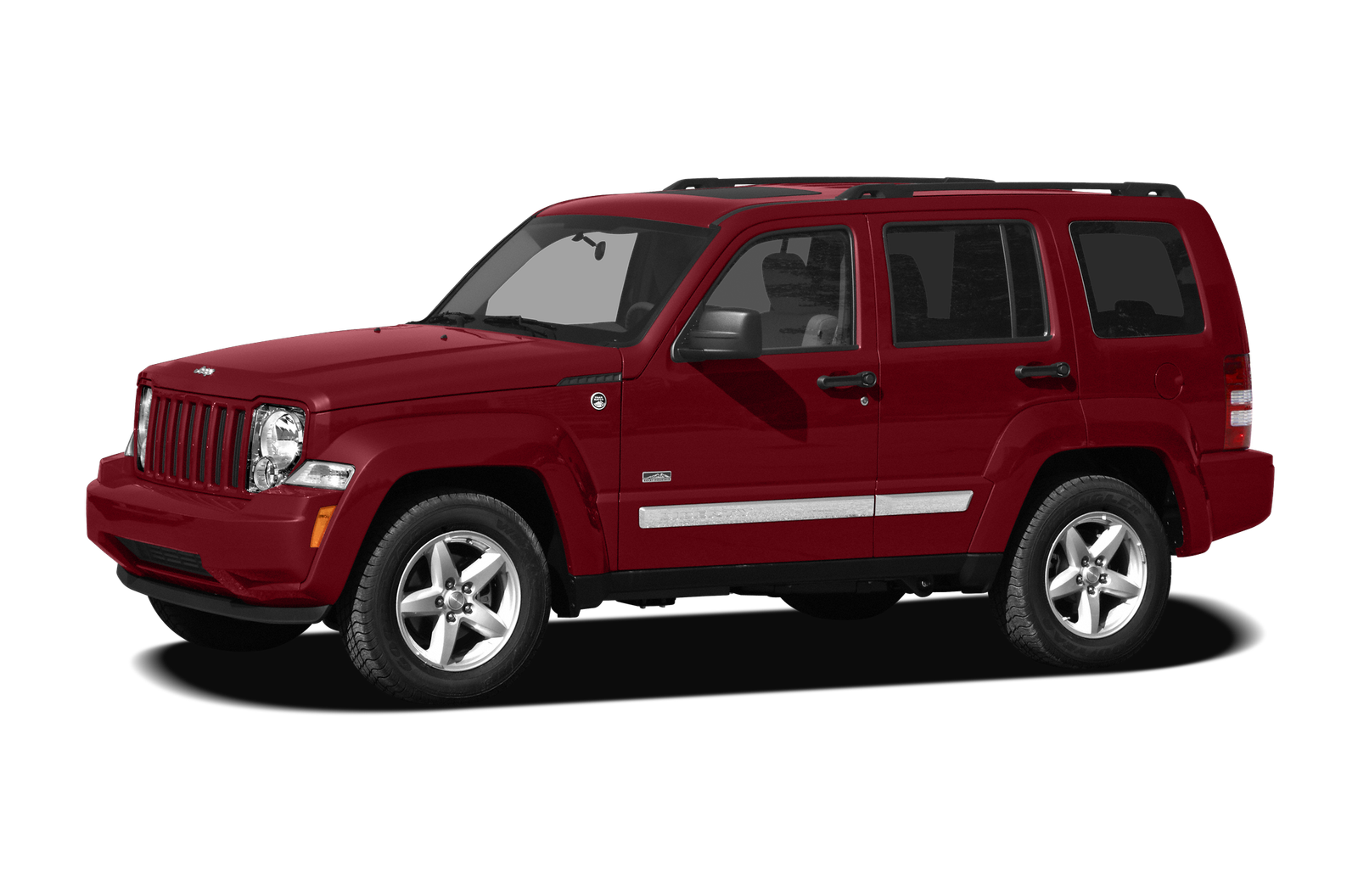
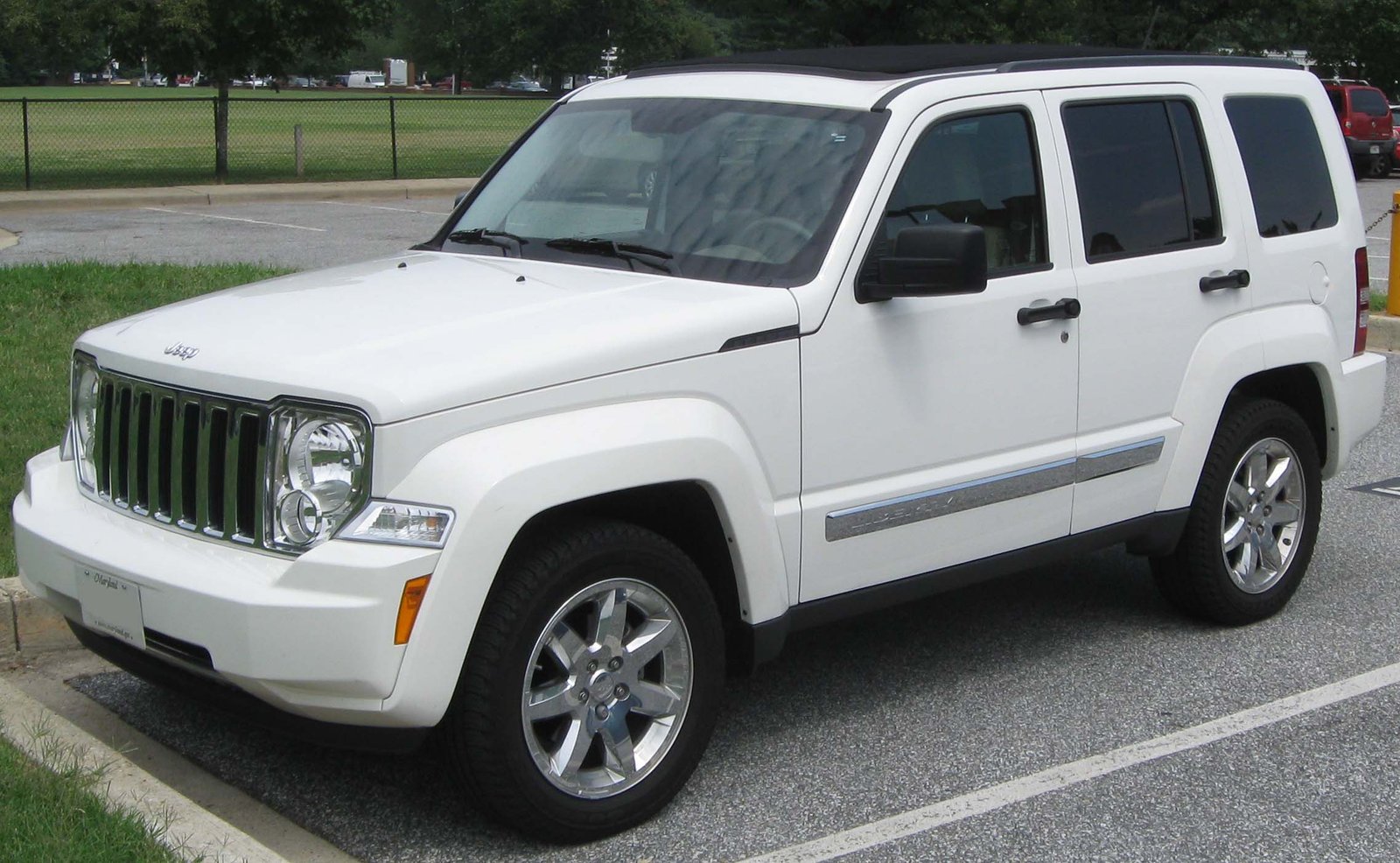
- Second generation: 2008–2012
- Production ended: August 2012
Many people confuse model years and actual production dates. The “2012 Jeep Liberty” was sold through that year, but no 2013 models were made.
It’s also common for automakers to end production before the next calendar year starts, so sometimes you see the last units for sale even after production stops.
The Liberty’s end marked a big change for Jeep. It was the last Jeep model with certain traditional features, like a solid rear axle and a heavy-duty frame, which were valued by off-road fans but less popular among city drivers.
Why Did Jeep Stop Making The Liberty?
There were several reasons for ending the Liberty:
- Changing consumer needs: By 2012, drivers wanted better fuel efficiency and more modern features in small SUVs. Families and commuters looked for quieter rides, easier handling, and improved technology.
- Tougher competition: Other brands, like Honda and Toyota, offered crossovers that were smoother, quieter, and more comfortable for daily driving. These rivals focused on passenger comfort and low running costs, attracting more buyers away from traditional SUVs.
- Upcoming regulations: Stricter safety and emission rules made it hard for the Liberty to keep up without major changes. Meeting new government standards would have required expensive redesigns and new engineering.
- Jeep’s strategy: Jeep wanted to create a new, global compact SUV that would appeal to more buyers. The Liberty’s design was mainly for North America, but Jeep aimed to compete worldwide.
Jeep did not simply update the Liberty. They decided to create a new model from scratch, which led to the birth of the Jeep Cherokee (KL) in 2014. This new approach allowed Jeep to offer a vehicle that matched the latest market trends and regulations.
One thing many miss: Jeep made this decision not only because of sales numbers, but also to position itself for future growth. With the Liberty, Jeep had loyal customers, but the market was shifting fast. The company saw that sticking with old designs could limit its global reach.
How Did The Jeep Liberty Compare To Other Suvs?
Understanding the Liberty’s strengths and weaknesses helps explain its end. Here’s a quick comparison with some rivals from its era:
| Model | Fuel Economy (mpg, city/hwy) | Horsepower | Cargo Space (cu ft) |
|---|---|---|---|
| Jeep Liberty (2012) | 16/22 | 210 | 62.4 |
| Honda CR-V (2012) | 23/31 | 185 | 70.9 |
| Toyota RAV4 (2012) | 22/28 | 179 | 73.0 |
| Ford Escape (2012) | 21/28 | 171 | 67.2 |
As you can see, the Liberty had more power but lagged behind in fuel economy and cargo space. This mattered as fuel prices rose and family needs changed. Buyers wanted vehicles that could carry more, use less gas, and provide comfortable rides for all passengers.
The Liberty’s strong engine and off-road setup were great for adventure, but less ideal for everyday errands or long highway trips.
Another detail: The Liberty’s towing capacity was higher than many competitors, making it popular for small trailers and boats. But this advantage wasn’t enough to balance its lower efficiency and aging interior features. Newer crossovers offered touchscreens, keyless entry, and advanced safety—things the Liberty lacked in its final years.
What Came After The Liberty?
The Jeep Cherokee (KL) replaced the Liberty starting with the 2014 model year. This new SUV was built on a different platform and focused more on comfort, technology, and efficiency, but still offered good off-road ability. Jeep wanted to keep its reputation for ruggedness but also add the latest features for families and tech lovers.
Here’s a quick side-by-side of their main specs:
| Feature | Jeep Liberty (2012) | Jeep Cherokee (2014) |
|---|---|---|
| Base Engine | 3.7L V6 | 2.4L I4 |
| Horsepower | 210 | 184 |
| Fuel Economy (mpg) | 16/22 | 22/31 |
| Transmission | 4-speed auto | 9-speed auto |
| Safety Features | Basic | Advanced (lane assist, etc.) |
The Cherokee was more in line with what buyers wanted: better fuel economy, more high-tech features, and improved safety. The new 9-speed automatic transmission helped the Cherokee get smoother shifts and save fuel, while options like lane departure warning and touchscreen navigation made it feel modern.
For buyers, the Cherokee offered more choices different engines, trim levels, and technology packages. It was also built for a global market, so Jeep could sell it in many countries with minimal changes.
Two Insights Most People Miss
First, the Liberty was actually called the Jeep Cherokee in many markets outside North America. So, when Jeep brought the Cherokee name back in the US, it was a return to global branding. This change helped Jeep unify its lineup and reach more customers worldwide.
Second, many fans overlook that the Liberty was one of the last compact SUVs to offer a traditional rear-wheel-drive setup with available low-range four-wheel drive. This made it more capable off-road than most competitors, but less efficient for city driving.
Most modern SUVs now use front-wheel drive with all-wheel drive as an option, which gives better fuel economy but less rugged performance.
A third detail: The Liberty’s strong frame and suspension were built to handle tough trails, not just paved roads. Owners who used the Liberty for camping or off-road trips found it could go places other SUVs couldn’t. But for daily commuting, its ride was rougher, and its higher fuel use made it less attractive.
The Liberty’s Legacy
While the Liberty is gone, its spirit lives on in the brand’s focus on off-road ability. It filled a unique spot tougher than most small SUVs but less refined than some rivals.
Today, Jeep’s newer models blend comfort and ruggedness, learning from the Liberty’s strengths and weaknesses.
For those who own a Liberty, its reliability and trail-ready nature are still valued. It’s also a reminder of a time when compact SUVs were built for adventure, not just convenience.
Some Jeep fans even look for used Liberties to restore or use for weekend trips, appreciating its sturdy build and classic Jeep styling.
Frequently Asked Questions
When Did Jeep Stop Making The Liberty?
Jeep ended production of the Liberty in August 2012. The 2012 model year was the last available, and there was no 2013 Jeep Liberty.
Why Was The Jeep Liberty Discontinued?
The Liberty was discontinued due to changing market demands, tougher competition, stricter regulations, and Jeep’s desire to offer a more modern, global SUV. The Liberty’s design and features were no longer competitive by 2012.
What Replaced The Jeep Liberty?
The Jeep Cherokee (KL) replaced the Liberty for the 2014 model year. The new Cherokee offered better fuel efficiency, updated technology, and more comfort, while still providing off-road options.
Is The Jeep Liberty A Good Used Suv?
A used Jeep Liberty can be a good buy for drivers needing strong off-road capability in a small SUV. However, buyers should be aware of its lower fuel economy, less advanced safety features, and sometimes higher maintenance costs compared to newer models. Inspecting the vehicle’s history and condition is key, since older Liberties may need repairs to suspension or engine parts.
Where Can I Learn More About Jeep’s History?
For more detailed information, visit the official Jeep history page on Wikipedia.
The Jeep Liberty may not be available new, but it left a mark for those who value ruggedness in a compact package.
Understanding its history can help you decide if a used Liberty fits your needs or if you should look to newer models for your next adventure.
The Liberty’s story shows how Jeep adapted to changing times, balancing tradition and innovation in its lineup.