Thinking about lifting your Jeep Wrangler? You’re not alone.
Many Jeep owners wonder if a lift kit is the right move. It’s easy to see lifted Wranglers on the road or trail and feel the urge to join the club.
But lifting isn’t just about looks. It changes how your Jeep drives, what you can do off-road, and even your safety.
Let’s dive into what lifting really means, the pros and cons, and whether it fits your needs.
What Does Lifting A Jeep Wrangler Mean?
Lifting your Wrangler usually means adding a suspension lift kit or a body lift kit. These kits raise your Jeep’s height, allowing for bigger tires and more ground clearance. Most lifts are between 2–4 inches, but some go higher. A lift kit changes your Jeep’s center of gravity, steering, and ride comfort.
Here’s a quick look at the main types:
| Lift Type | Height Added | Main Benefit | Cost Range |
|---|---|---|---|
| Suspension Lift | 2–6 inches | Better off-road performance | $500–$3,000 |
| Body Lift | 1–3 inches | Allows bigger tires (less off-road gain) | $200–$800 |
A suspension lift is best for serious off-roading. A body lift is cheaper and simpler, but won’t help much with off-road obstacles.
Reasons To Lift Your Jeep Wrangler
Some Jeep owners lift their Wranglers for appearance. Others want better off-road capability. Here are the main reasons:
- Ground Clearance: A lifted Jeep can clear rocks, logs, and deep ruts more easily.
- Bigger Tires: You can fit tires up to 35 inches or more, improving traction and durability.
- Off-Road Performance: More height means better approach, breakover, and departure angles.
- Personal Style: Lifted Wranglers have a tough, aggressive look.
- Resale Value: Some buyers want a lifted Jeep, but this is not always true.
Off-road Data Example
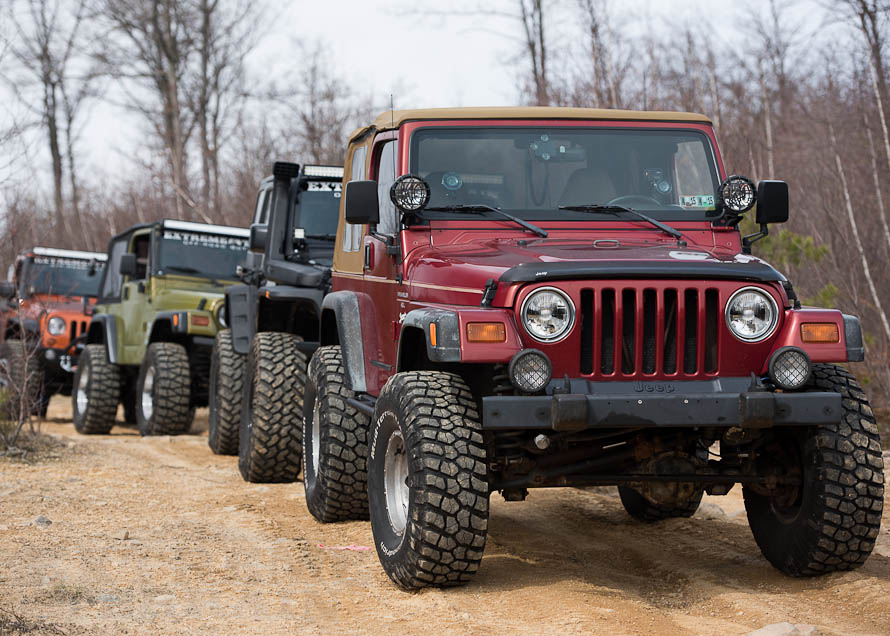
A stock Jeep Wrangler Rubicon has about 10.8 inches of ground clearance. With a 2-inch suspension lift and 35-inch tires, you can get 13–14 inches. That extra clearance can be the difference between making it over an obstacle or getting stuck.
Downsides And Risks Of Lifting
Lifting isn’t just about benefits. There are risks and costs to consider:
- Handling Changes: Higher center of gravity means more body roll and possible tipping.
- Steering Issues: Lifting can affect steering geometry, leading to “death wobble” if not corrected.
- Ride Quality: The ride may feel stiffer or bumpier.
- Increased Wear: Bigger tires and new angles can stress parts like axles, driveshafts, and ball joints.
- Legal Issues: Some states limit lift heights. Always check local laws.
- Insurance: Modifications can affect insurance rates or coverage.
| Aspect | Stock Wrangler | Lifted Wrangler |
|---|---|---|
| Handling | Stable | More sway |
| Fuel Economy | 18–20 mpg | 14–17 mpg |
| Maintenance Costs | Normal | Higher |
One non-obvious insight: even a 2-inch lift can affect your Jeep’s ride and steering more than you might expect. Many beginners think small lifts are risk-free, but even minor changes need proper setup.
Cost Breakdown: Is It Worth It?
The price of lifting your Wrangler depends on the type of lift, labor, and extra parts. Here’s a typical breakdown:
- Lift Kit: $200–$3,000
- Installation: $400–$1,500 (professional work is recommended)
- Alignment: $100–$200
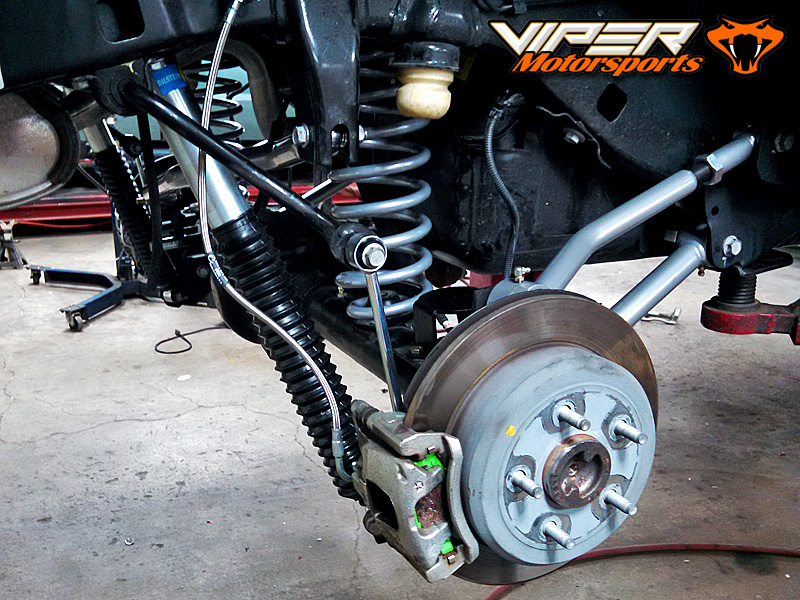
- Extra Parts: Extended brake lines, shocks, driveshafts, etc.
You may also need upgraded gears if you go with large tires. Without gear changes, your Jeep can feel sluggish and lose towing power.
| Lift Height | Estimated Total Cost | Additional Parts Needed |
|---|---|---|
| 1–2 inches | $600–$1,500 | Basic kit, alignment |
| 3–4 inches | $1,500–$4,000 | Shocks, driveshaft, brake lines |
| 5+ inches | $4,000+ | Major upgrades, gears |
An experienced guide tip: Don’t forget hidden costs. Tire upgrades, gear changes, and custom driveshafts can double the original price.
Common Mistakes When Lifting A Wrangler
Many beginners rush into lifting without proper planning. Here are key mistakes:
- Buying the cheapest kit without checking quality or compatibility
- Ignoring steering and suspension upgrades
- Skipping professional alignment after the lift
- Not checking local laws on vehicle modifications
- Installing too large tires without gear upgrades
A calm expert would say: plan your lift carefully. Research kits, talk to other Jeep owners, and ask a trusted shop for advice.
Should You Lift Your Jeep Wrangler?
Ask yourself these questions:
- Do you plan serious off-roading, or is this mainly for looks?
- Can you afford the total cost, including hidden expenses?
- Are you comfortable with changes in ride, handling, and maintenance?
- Do local laws allow your planned lift?
If your answer is yes to most, a lift could be right for you. If you drive mostly on pavement, or want to keep costs low, you may want to skip the lift or choose a smaller kit. For some, a spacer lift or leveled suspension is enough for bigger tires and a new look, without major changes.
If you’re still unsure, talk to Jeep communities or check reputable sites like Jeep Official Site for guidance.
Frequently Asked Questions
What Is The Best Lift Height For A Jeep Wrangler?
For most owners, a 2–3 inch suspension lift is ideal. It allows bigger tires and good ground clearance, without major changes to steering or ride.
Will Lifting My Wrangler Void The Warranty?
Yes, some lifts can void parts of your factory warranty. Always check with your dealer before installing a kit.
Can I Install A Lift Kit Myself?
You can, but it’s a complex job. Mistakes can lead to unsafe driving. Professional installation is safer and usually required for larger lifts.
What Tires Fit After A Lift?
A 2-inch lift lets you fit up to 33–35 inch tires. Check your specific Wrangler model and wheel specs for compatibility.
How Does Lifting Affect Resale Value?
Some buyers want a lifted Jeep, but others prefer stock. A high-quality, professionally installed lift can help, but poor installs or extreme lifts may reduce value.
Lifting your Jeep Wrangler is a big decision. It can unlock new adventures, but also brings costs and risks. Think carefully, plan well, and enjoy your Jeep to the fullest.