If you’re thinking about buying a 2010 Jeep Wrangler or just curious about its weight, you’re not alone. Many people want to know how much this classic off-road vehicle weighs, and why it matters.
The weight of a Jeep Wrangler affects how it drives, how much it can tow, and even how much gas it uses. In this article, you’ll find clear answers, real numbers, and helpful comparisons—so you can feel confident about understanding the weight of a 2010 Jeep Wrangler.
How Much Does A 2010 Jeep Wrangler Weigh?
The 2010 Jeep Wrangler comes in several models. Each model has a slightly different weight, depending on its features and size. The weight is measured as curb weight—that means the vehicle with all fluids and a full tank of gas, but no passengers or cargo.
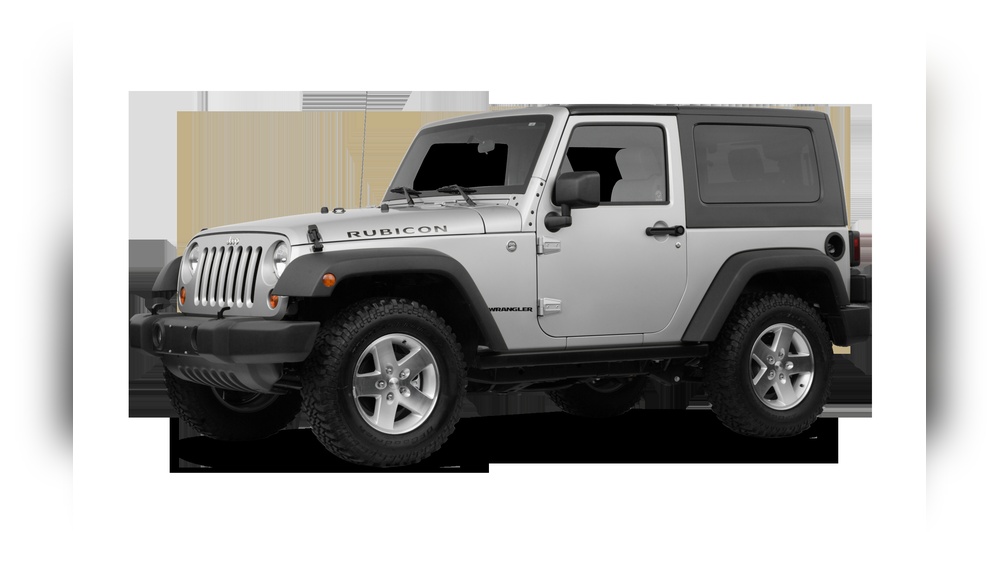
Here are the main models and their weights:
- Wrangler Sport 2-Door: 3,760 lbs
- Wrangler Sahara 2-Door: 3,760 lbs
- Wrangler Rubicon 2-Door: 3,816 lbs
- Wrangler Unlimited Sport 4-Door: 4,077 lbs
- Wrangler Unlimited Sahara 4-Door: 4,077 lbs
- Wrangler Unlimited Rubicon 4-Door: 4,132 lbs
You’ll notice the 4-door Unlimited models are heavier. This is because they are longer and have more space.
Why Does Weight Matter For A Jeep Wrangler?
The weight of a vehicle affects many things. For a Jeep Wrangler, here’s why it matters:
- Fuel Economy: Heavier vehicles usually use more gas. The 2-door Wrangler gets better mileage than the 4-door.
- Handling and Performance: A lighter Jeep is easier to maneuver, especially off-road.
- Towing Capacity: Weight changes how much your Wrangler can safely tow.
- Safety: Heavier vehicles may be safer in certain crashes, but can be harder to stop quickly.
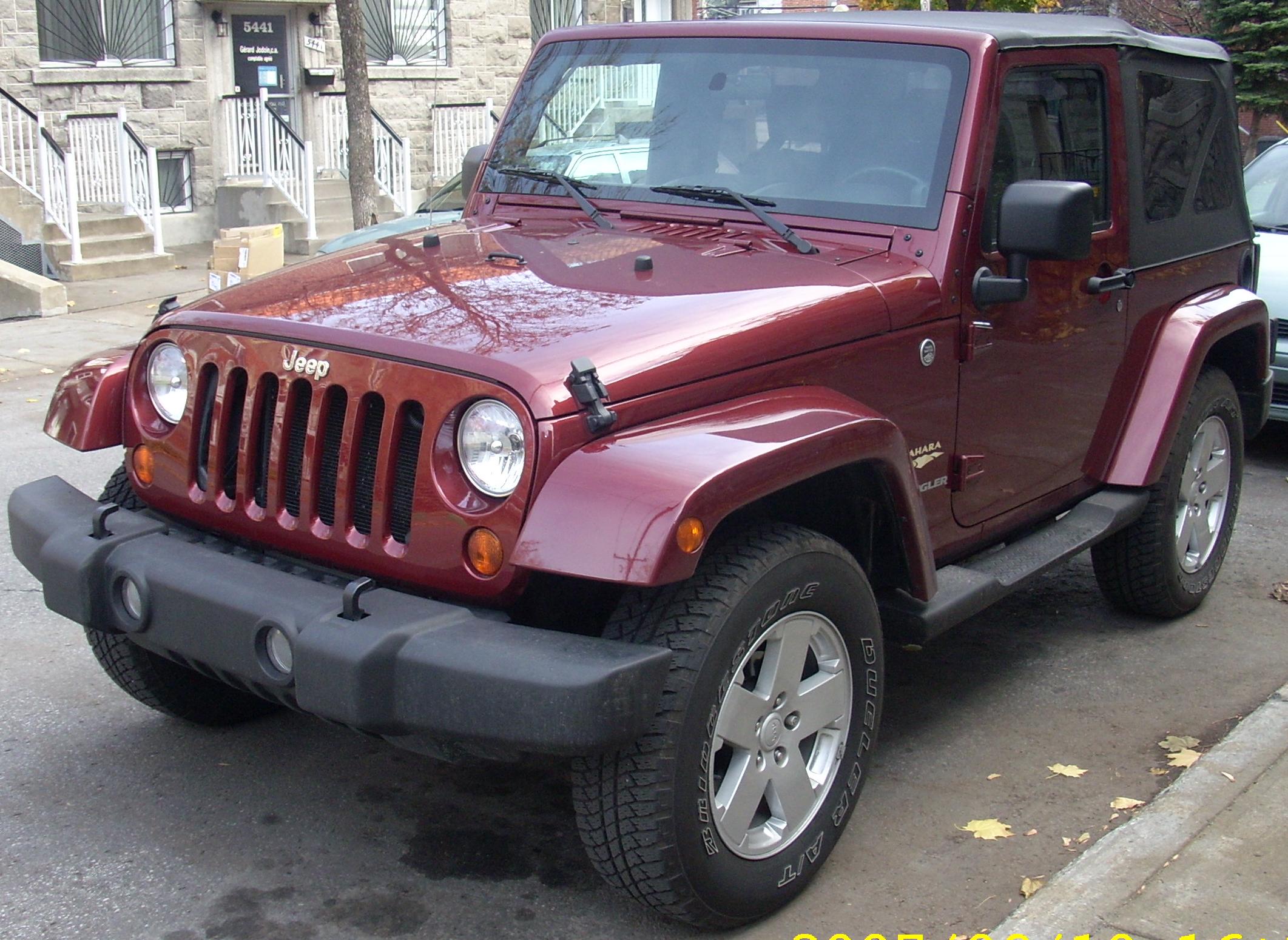
Comparing 2010 Jeep Wrangler Models
To help you see the differences, here’s a simple comparison between 2-door and 4-door models:
| Model | Doors | Curb Weight (lbs) | Fuel Economy (mpg) |
|---|---|---|---|
| Sport | 2 | 3,760 | 15 city / 19 highway |
| Sahara | 2 | 3,760 | 15 city / 19 highway |
| Rubicon | 2 | 3,816 | 15 city / 19 highway |
| Unlimited Sport | 4 | 4,077 | 15 city / 19 highway |
| Unlimited Sahara | 4 | 4,077 | 15 city / 19 highway |
| Unlimited Rubicon | 4 | 4,132 | 15 city / 19 highway |
What Factors Affect Jeep Wrangler Weight?
Several things can change the weight of your Jeep. Some are obvious, others less so:
- Hardtop vs Soft Top: The hardtop adds about 100 lbs compared to the soft top.
- Transmission Type: Automatic transmissions are heavier than manual.
- Additional Equipment: Bigger tires, winches, bumpers, and other accessories can add weight.
- Trim Level: Rubicon models are heavier because they have more equipment for off-roading.
Here’s a quick look at how features affect weight:
| Feature | Weight Change (lbs) |
|---|---|
| Hardtop | +100 |
| Automatic Transmission | +40 |
| Steel Bumpers | +50 |
| Winch | +30 |
| Oversized Tires | +60 |
Real-world Examples
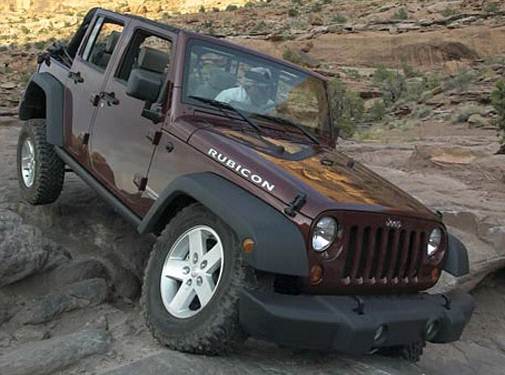
Let’s say you have a 2010 Jeep Wrangler Unlimited Rubicon with a hardtop, steel bumpers, and a winch. The base weight is 4,132 lbs. Adding a hardtop (+100 lbs), steel bumpers (+50 lbs), and winch (+30 lbs) brings the total to 4,312 lbs. If you also add oversized tires (+60 lbs), the weight goes up to 4,372 lbs.
This is important because extra weight affects performance and fuel economy. Most people forget that even small changes like new tires or a roof rack can add up.
Jeep Wrangler Weight Compared To Other Suvs
To understand if the Wrangler is heavy or light, here’s a comparison with other popular SUVs from 2010:
| Vehicle | Curb Weight (lbs) |
|---|---|
| Jeep Wrangler 2-Door | 3,760 |
| Jeep Wrangler Unlimited 4-Door | 4,077 |
| Ford Explorer | 4,300 |
| Toyota 4Runner | 4,400 |
| Honda CR-V | 3,400 |
The Wrangler is lighter than the Ford Explorer and Toyota 4Runner, but heavier than the Honda CR-V. This balance helps it perform well both on and off-road.
Common Mistakes When Estimating Jeep Weight
Many people make errors when guessing the weight of a Jeep Wrangler:
- Using the gross vehicle weight rating (GVWR) instead of curb weight. GVWR is the maximum safe weight (vehicle, passengers, cargo), not the actual weight.
- Forgetting to account for upgrades and accessories.
- Assuming all Wranglers weigh the same, regardless of model.
It’s smart to check the sticker inside the driver’s door. This shows the exact weight for your Jeep, including factory options.
Non-obvious Insights
- Weight distribution is important, not just total weight. Wranglers are designed to have more weight over the front wheels for better climbing ability.
- Owners often overlook the impact of aftermarket parts on weight—especially when adding multiple upgrades.