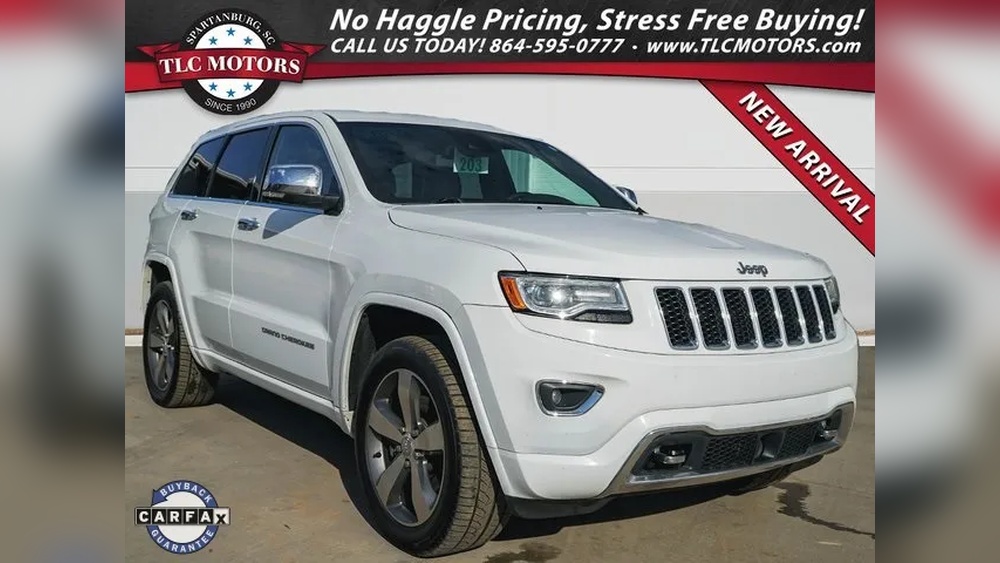
The 2016 Jeep Grand Cherokee has built a reputation as a reliable SUV, popular for its mix of comfort and rugged capability. Many buyers wonder how long these vehicles really last.
Let’s explore the expected lifespan, what affects durability, and what owners can do to maximize years on the road.
Whether you use your Jeep for city driving or weekend adventures, understanding its longevity can help you plan for maintenance and avoid unexpected costs.
Typical Lifespan Of A 2016 Jeep Grand Cherokee
Most 2016 Jeep Grand Cherokees last 150,000 to 200,000 miles with proper care. That’s about 10-15 years for the average driver. Some owners report their vehicles reaching over 250,000 miles, but this depends on driving habits and maintenance. Key factors include engine health, how often the vehicle is serviced, and whether it’s used for tough jobs like towing.
Here’s a quick look at mileage ranges and what they mean:
| Mileage | Condition | Expected Repairs |
|---|---|---|
| 0-100,000 | Excellent | Basic maintenance |
| 100,000-150,000 | Good | Minor repairs likely |
| 150,000-200,000 | Fair | Major parts may need replacing |
| 200,000+ | Variable | Frequent repairs |
While the numbers above show general trends, it’s important to note that climate, road conditions, and even small habits like warming up the engine before driving can make a difference.
For example, vehicles used mostly on highways often last longer than those used in stop-and-go city traffic.
Also, a Jeep driven in dry, mild climates may avoid rust and corrosion, giving it a longer life than one in snowy or coastal areas.
Factors That Affect Longevity
Several things influence how long your Jeep Grand Cherokee will last:
- Maintenance: Regular oil changes, brake checks, and fluid replacements are critical. Skipping service can shorten lifespan.
- Driving Style: Aggressive driving, hard braking, and frequent towing strain the engine and transmission.
- Climate: Harsh winters or high heat can wear out parts faster. Rust is a problem in snowy areas.
- Quality of Parts: Using genuine Jeep parts helps keep the vehicle running longer.
- Previous Owner Care: Buying used? Ask for service records. Poor past care often means more repairs.
Some owners forget the importance of transmission fluid changes. This is a non-obvious tip: neglecting this can lead to expensive fixes. Also, using the right grade of oil matters more than many realize, especially for the 3.6L V6 engine.
Another overlooked factor is the coolant system. If the coolant isn’t changed at recommended intervals, overheating can occur and damage the engine. Checking the radiator hoses for leaks or cracks can help prevent costly breakdowns. Also, cleaning air filters regularly ensures the engine breathes well, which supports fuel efficiency and reduces stress on internal parts.
Common Problems After High Mileage
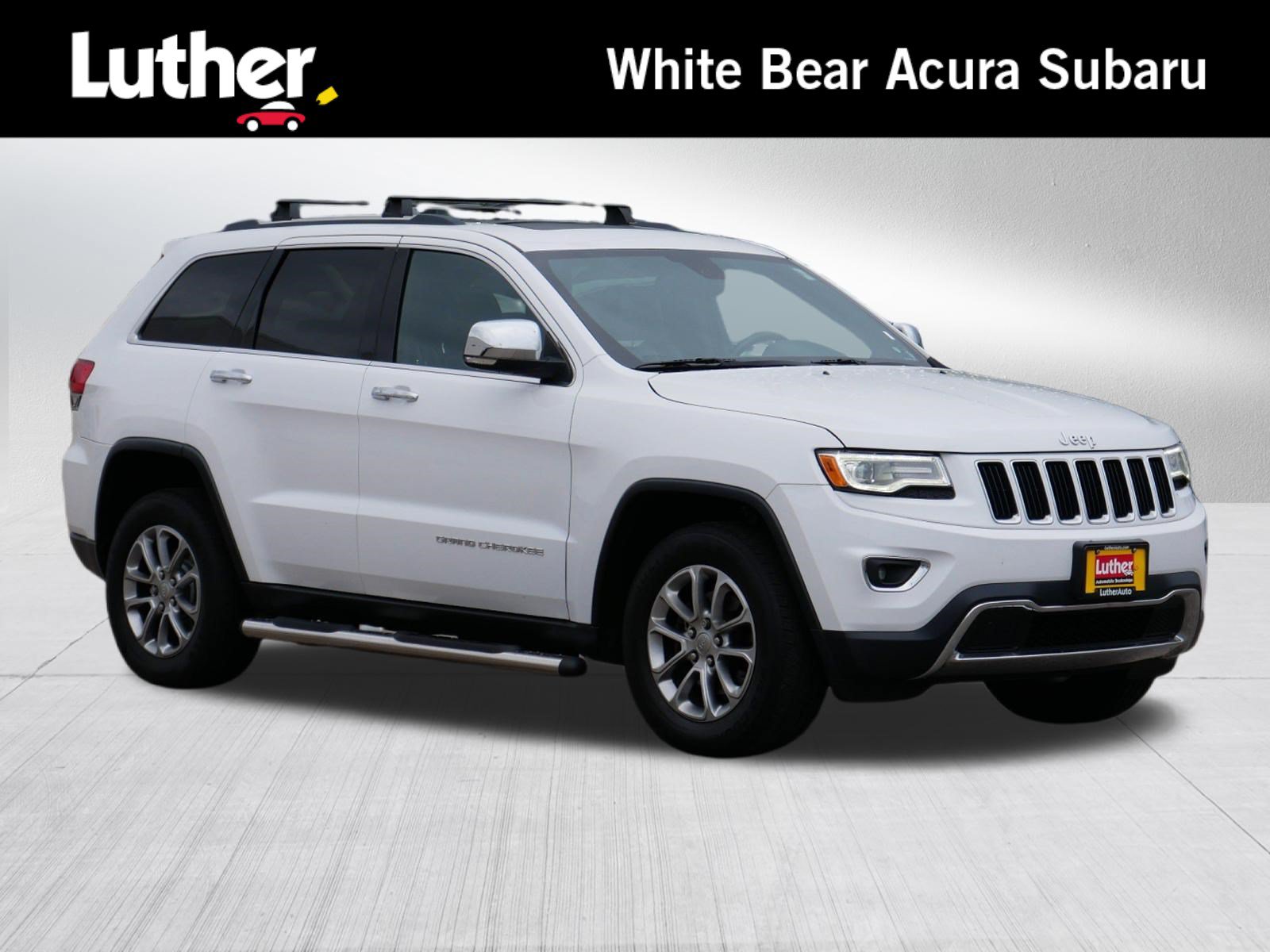
After 100,000 miles, a 2016 Grand Cherokee may show signs of wear. Here are issues owners often face:
- Suspension wear: Shocks and bushings may need replacing.
- Electrical glitches: Windows and infotainment systems can act up.
- Transmission issues: Rough shifts or leaks are more common.
- Engine ticks: Sometimes caused by low oil or worn parts.
It’s smart to check for recalls. Some 2016 models had recalls for brake system and electrical issues. Fixing these early helps extend life.
Another example is the catalytic converter. Some owners report needing replacement after 130,000 miles, especially if the vehicle burns oil. Also, the air conditioning system may weaken over time, needing a recharge or component replacement. Paying attention to small changes in performance or noises can help spot problems before they become major repairs.
Comparison With Other Suvs
How does the 2016 Jeep Grand Cherokee compare to competitors in longevity?
| Model | Expected Lifespan (miles) | Reliability Rating (out of 5) |
|---|---|---|
| Jeep Grand Cherokee | 150,000-200,000 | 3.5 |
| Toyota Highlander | 200,000-250,000 | 4.5 |
| Ford Explorer | 150,000-200,000 | 3.8 |
The Grand Cherokee matches the Ford Explorer, but the Toyota Highlander lasts longer on average. Still, the Jeep’s off-road abilities and strong towing make it unique.
It’s also worth noting that the Jeep’s robust four-wheel-drive system is built for tougher conditions, which can be a trade-off for slightly lower reliability scores.
For those who value adventure and versatility, the Grand Cherokee’s performance in snow, mud, and rocky terrain stands out compared to many family-focused rivals.
How To Make Your Grand Cherokee Last Longer
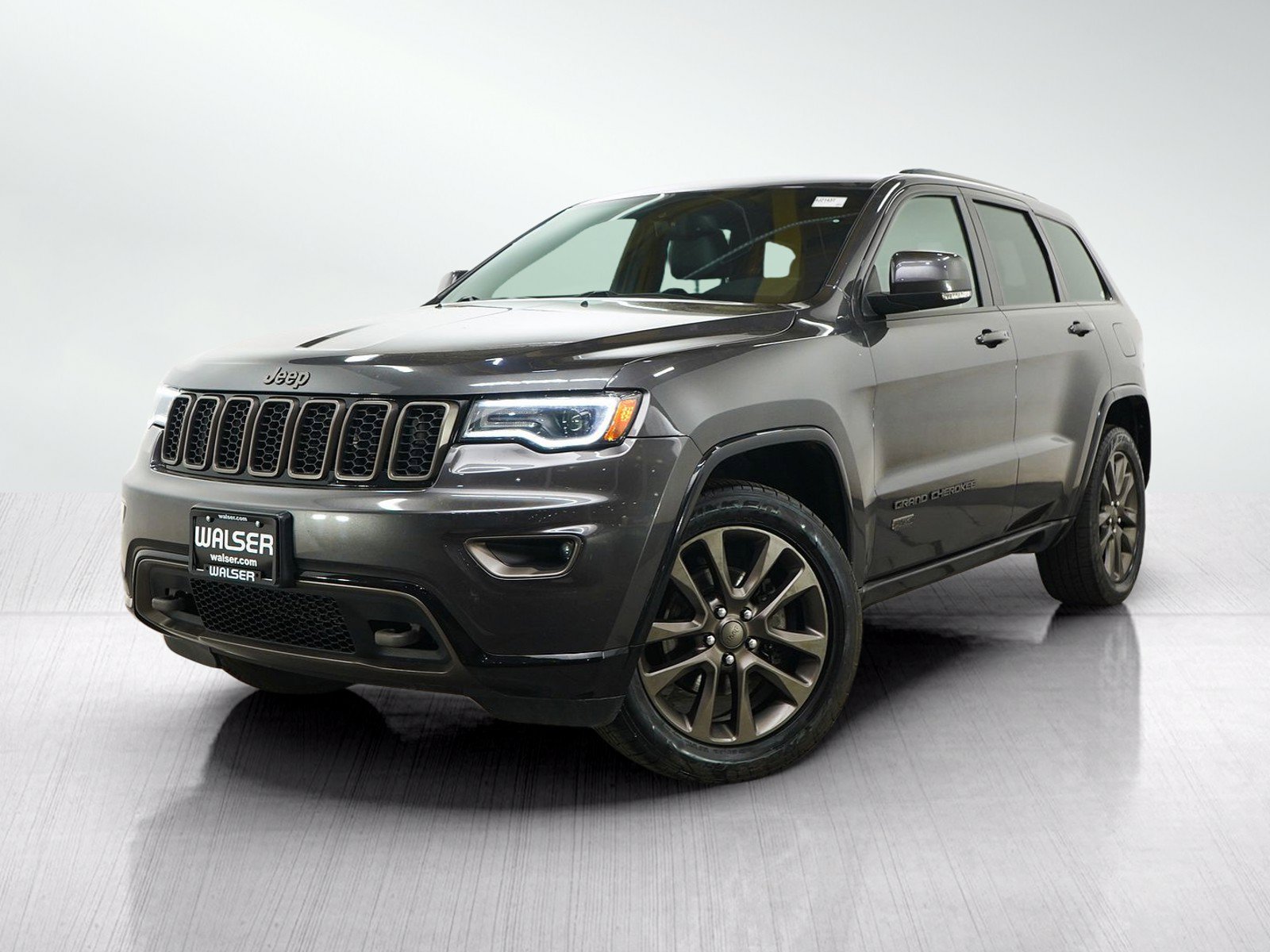
Want to get the most out of your 2016 Jeep Grand Cherokee? Follow these practical tips:
- Stick to service schedules: Oil, brakes, transmission, and coolant changes are vital.
- Watch for warning lights: Don’t ignore engine or transmission signals.
- Drive gently: Avoid sudden stops, starts, and heavy loads unless needed.
- Use quality parts: Genuine Jeep parts perform better than cheap alternatives.
- Protect from rust: Wash the underbody if you live in snowy regions.
Many skip tire rotation or alignment checks. These small steps prevent wear on suspension and steering parts, saving money long term.
Another habit that helps is keeping your vehicle clean inside and out. Dirt buildup can hide early signs of rust or leaks, and a clean interior prevents electrical issues with switches and sensors.
For those who tow trailers, always check hitch connections and wiring after use, as these parts can loosen over time and cause strain.
Real Owner Experiences
Thousands of owners report their Jeeps lasting well over a decade. One driver from Colorado shared that his Grand Cherokee hit 210,000 miles with only routine repairs. Another owner in Florida reached 185,000 miles before needing major engine work. These stories prove that with care, the SUV endures.
A surprising insight: many owners who use their Jeep for daily commutes (not off-roading) tend to reach higher mileages. Heavy off-road use can wear out suspension and drivetrain parts faster.
Some owners also mention that regular updates to the onboard software available at Jeep dealerships help avoid electrical glitches and keep the vehicle running smoothly.
And those who keep detailed maintenance logs find it easier to spot trends or repeated issues, which can guide future repairs.

Maintenance Cost Estimates
Let’s break down average yearly costs for a 2016 Grand Cherokee:
| Type of Maintenance | Estimated Cost (USD) |
|---|---|
| Oil Change | $50-$80 |
| Brake Pads | $150-$300 |
| Transmission Service | $200-$400 |
| Suspension Repair | $500-$800 |
These numbers are averages. Costs may rise after 150,000 miles, especially for major repairs.
Keep in mind that labor charges vary by region, so a repair in a big city might cost more than in a smaller town. Also, some maintenance tasks like air filter replacement or tire rotation can be done at home, reducing costs.
If you’re planning to keep your Jeep for many years, consider setting aside a maintenance budget to handle unexpected repairs.
Frequently Asked Questions
How Many Miles Can A 2016 Jeep Grand Cherokee Last?
Most last 150,000-200,000 miles with regular care. Some reach 250,000 miles if well-maintained.
What Are The Most Common High-mileage Problems?
Suspension wear, electrical issues, and transmission troubles are typical after 100,000 miles.
Is The 2016 Jeep Grand Cherokee Reliable For Long Trips?
Yes, if maintained. Always check fluids, tires, and brakes before long drives.
Does Off-roading Reduce Lifespan?
Heavy off-roading can cause extra wear. Routine checks and repairs help offset the impact.
Where Can I Find Detailed Maintenance Records?
Ask your dealer or visit Jeep’s official site for service records and recall info.
The 2016 Jeep Grand Cherokee offers a solid mix of durability and performance. With regular maintenance and mindful driving, most owners enjoy many years of reliable service. Remember, preventive care and attention to small issues often make the biggest difference in longevity.
For anyone considering this SUV, knowing these details can help avoid surprises and keep your vehicle running strong for years to come.