If you own a Jeep or plan to buy one, knowing where to find the Jeep tool kit is essential. Many Jeep owners face this question, especially after purchasing a new or used vehicle.
The tool kit is important for simple repairs, tire changes, and removing the roof or doors—tasks Jeep drivers often do themselves. Locating the tool kit can save time, avoid frustration, and help you handle unexpected situations on the road or trail.
Where Is The Jeep Tool Kit Located?
Most Jeeps come with a factory tool kit designed for basic maintenance and adjustments. The location depends on the model and year. For many recent Jeeps, especially the Wrangler and Gladiator, the tool kit is placed in a spot that’s easy to reach, but not always obvious.
Common Locations By Model
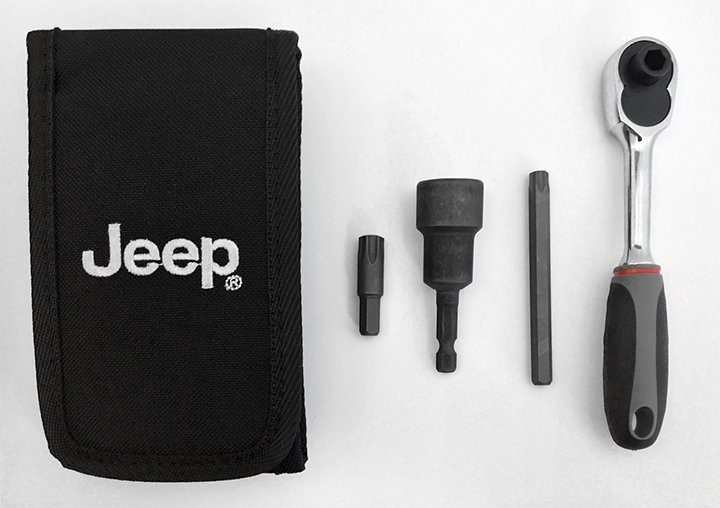
- Jeep Wrangler JL (2018-present): The tool kit is under the rear cargo floor. Lift the floor panel in the trunk area, and you’ll see a small black pouch secured with straps.
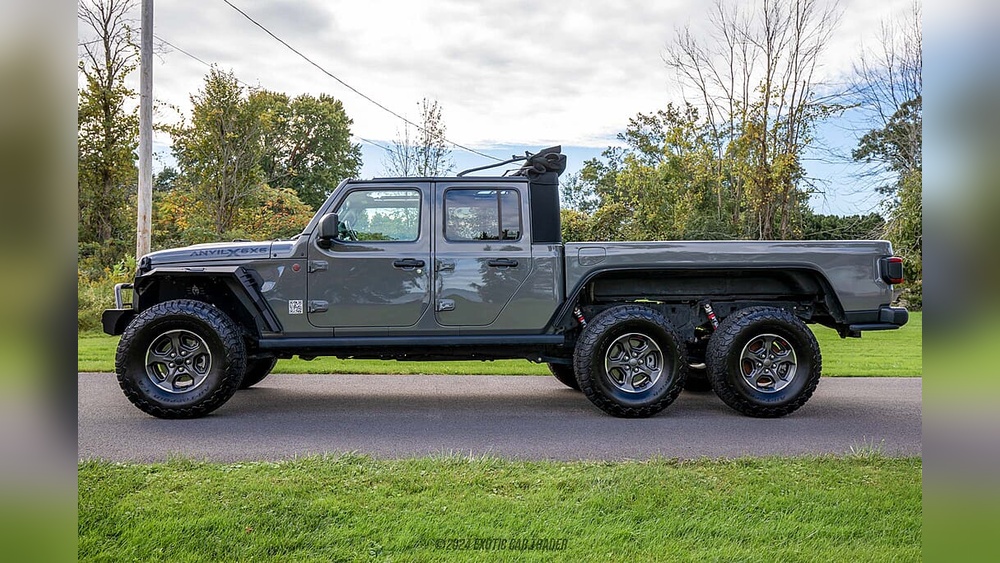
- Jeep Gladiator JT (2019-present): Similar to the Wrangler, check under the rear seat or behind the back seat, depending on the trim. Look for a soft case marked with the Jeep logo.
- Jeep Wrangler JK (2007-2017): Older Wranglers often store the tool kit in the glove compartment or under the front passenger seat.
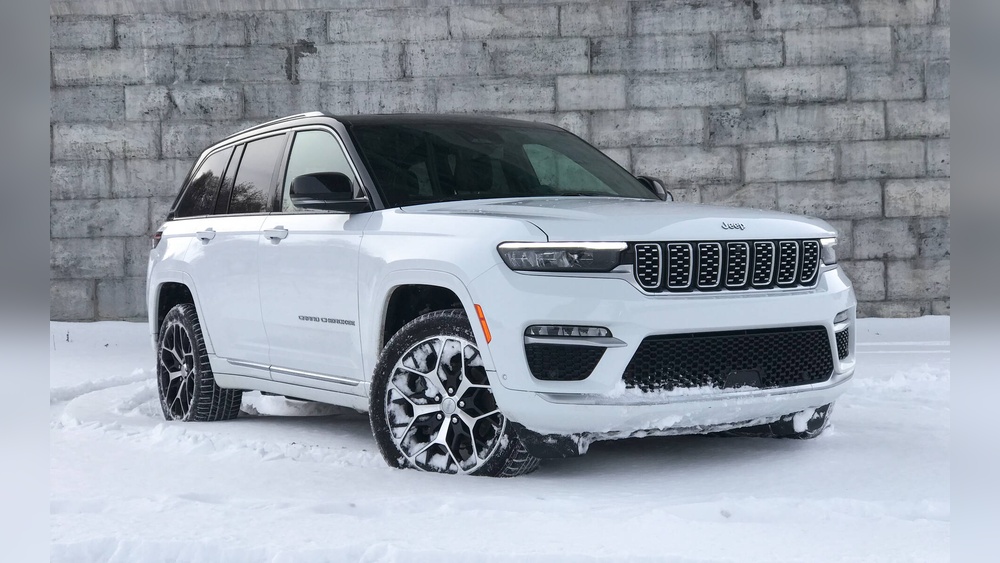
- Jeep Grand Cherokee and other models: Some versions do not include a tool kit, but if present, check the spare tire compartment in the trunk.
If your Jeep is missing its tool kit, check with your dealer or previous owner. Used Jeeps sometimes have tool kits removed or misplaced.
What’s Inside The Jeep Tool Kit?
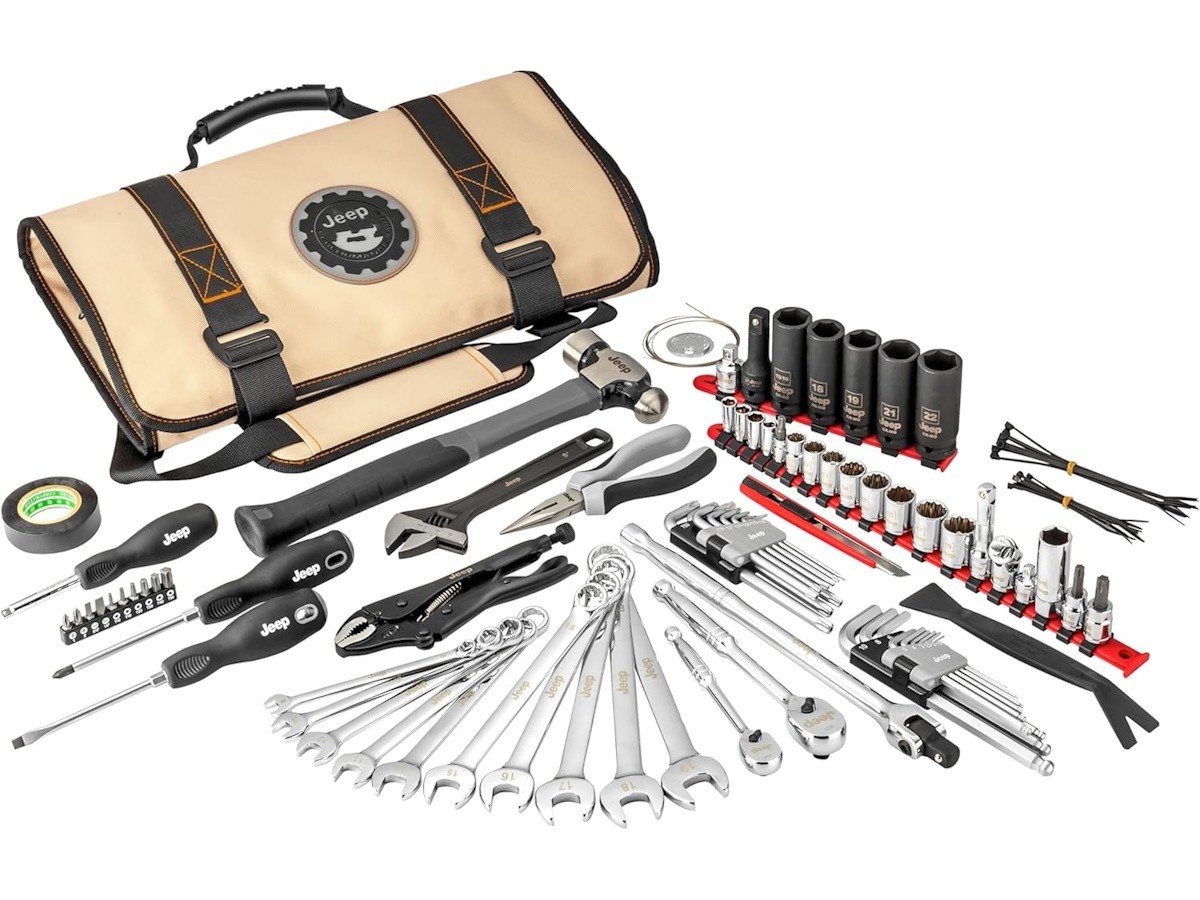
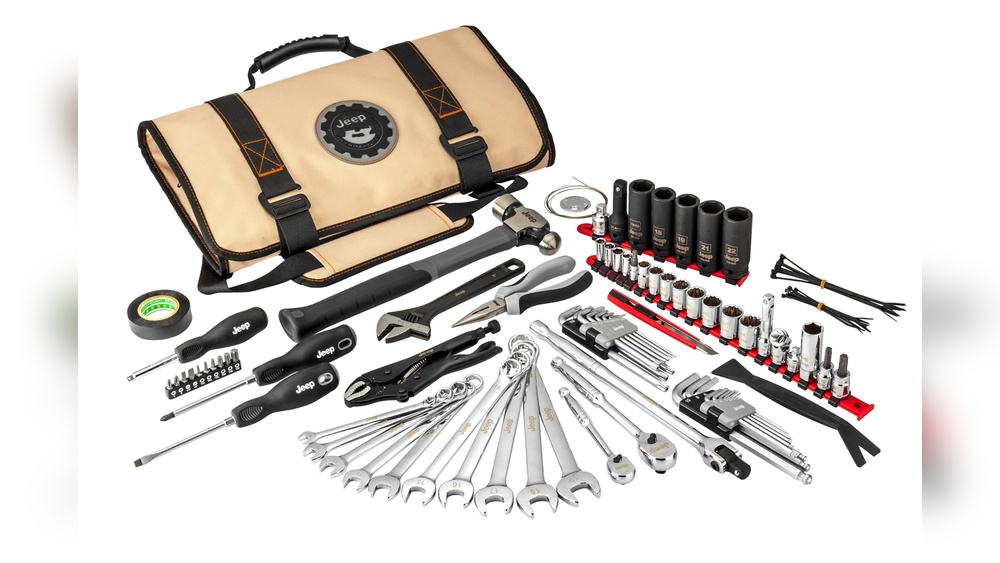
The factory tool kit is simple but practical. It contains tools needed for the most common Jeep tasks—removing doors, roof panels, and sometimes minor repairs. Here’s what you’ll typically find:
- Torx wrenches: For door, roof, and windshield bolts.
- Ratchet handle: Makes turning bolts easier.
- Socket set: Usually includes sizes like T40 and T50, used on Jeep hardware.
- Screwdriver: Basic for small adjustments.
- Instructions sheet: Explains which tool fits each task.
Some newer kits also include a trim removal tool. If you want to see how Jeep tool kits compare by model, here’s a simple table:
| Model | Number of Tools | Torx Sizes | Other Tools |
|---|---|---|---|
| Wrangler JL | 5 | T40, T50 | Ratchet, screwdriver |
| Gladiator JT | 6 | T40, T50 | Trim tool, instructions |
| Wrangler JK | 4 | T40 | Ratchet |
It’s important to note that the factory kit covers the basics, but you may need extra tools for larger repairs or upgrades.
How To Access And Use The Tool Kit
Finding the tool kit is just the first step. Knowing how to use it can make your Jeep experience smoother.
Steps To Access Your Tool Kit
- Open the trunk or rear cargo area.
- Lift the floor panel or check under the rear seat.
- Locate the pouch or case with the Jeep logo.
- Unzip and review the tools inside.
Always check the instructions sheet if you’re unsure which tool matches each bolt. For example, the Torx T40 removes the roof panels on the Wrangler, while the T50 is used for door hinges.
Using The Tools For Common Tasks
- Door removal: Use the ratchet and proper Torx bit to unscrew hinges. Keep bolts in a safe place.
- Roof panel removal: The correct Torx bit fits roof bolts. Remove panels carefully.
- Windshield adjustments: Some models let you fold the windshield. The tool kit provides the right wrench.
Here’s a quick comparison of the process for different Jeep models:
| Model | Door Removal Steps | Roof Removal Steps |
|---|---|---|
| Wrangler JL | Remove hinge bolts with T50, unplug wiring | Remove roof bolts with T40, lift panels |
| Gladiator JT | Same as JL, extra trim tool for clips | Similar steps, check instructions |
| Wrangler JK | Use T40 for hinges, fewer steps | Panels are lighter, use T40 |
What If Your Jeep Tool Kit Is Missing?
Many Jeep owners discover their tool kit is missing after buying a used car or when cleaning out their vehicle. If this happens, you have options:
- Buy a replacement: Jeep dealerships sell original tool kits. Prices vary, usually between $25 and $50.
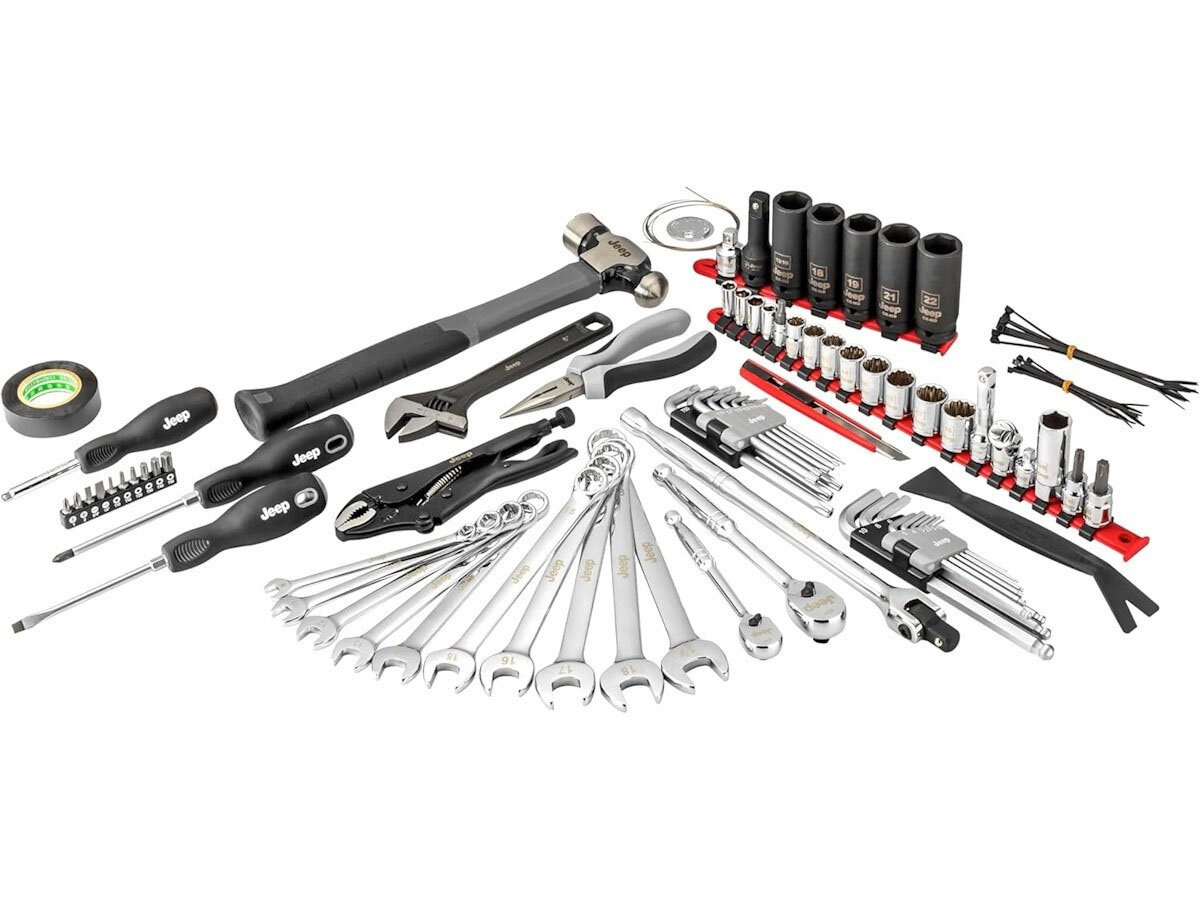
- Purchase aftermarket kits: Many brands offer tool kits made for Jeeps. Check reviews and make sure the kit fits your model.
- Build your own kit: Buy Torx bits, ratchet, and a sturdy pouch. Include only the sizes your Jeep needs.
Don’t forget to keep your tool kit in a secure, easy-to-reach spot. This helps during emergencies or when you’re on an adventure.
Useful Tips For Jeep Owners
- Always check your tool kit before road trips or off-road adventures.
- Practice using the tools at home so you’re prepared when you need them.
- Keep extra bolts, clips, and a small flashlight in your tool kit pouch.
- Many Jeep forums offer advice on custom tool kits and storage solutions.
- If you’re unsure about a tool, watch tutorial videos or ask your dealer for help.
One detail many beginners miss: factory tool kits sometimes don’t include tools for the spare tire. Consider adding a lug wrench if your kit doesn’t have one.
Another insight: some Jeep models require different Torx sizes for upgrades or aftermarket parts. Check your manual for details.
For more information about Jeep accessories and tool kits, visit the official Jeep website.
Frequently Asked Questions
Where Is The Tool Kit In A Jeep Wrangler?
The tool kit is usually under the rear cargo floor. Lift the panel in the trunk area to find a pouch with tools.
What Tools Are Included In The Jeep Factory Kit?
Most kits have Torx wrenches, a ratchet, socket set, screwdriver, and instructions. Some newer kits add a trim removal tool.
Can I Buy A Jeep Tool Kit If Mine Is Missing?
Yes, you can buy a replacement kit from Jeep dealerships or aftermarket brands. Make sure the kit matches your Jeep’s model.
Are The Tool Kits The Same For All Jeep Models?
No, the tool kits vary by model and year. Check your owner’s manual to see which tools you need.
How Do I Use The Tool Kit To Remove The Roof Or Doors?
Use the correct Torx bit and ratchet from the kit. Follow the instructions sheet, and always store bolts safely during removal.
Finding and using your Jeep tool kit is simple once you know where to look. Keeping the kit handy, understanding its contents, and learning how to use each tool will make your Jeep experience safer and more enjoyable.
If you ever lose your kit, reliable replacements are easy to find.
This small pouch can make a big difference, so make sure yours is always within reach.