If you want to lift your Jeep, you’re not alone. Many Jeep owners dream of bigger tires, higher ground clearance, and a tougher look.
But lifting a Jeep isn’t just about buying a kit and bolting it on. There are key parts, choices, and steps you must understand before you start.
This article will guide you through what you need to lift your Jeep, what options you have, and common mistakes to avoid.
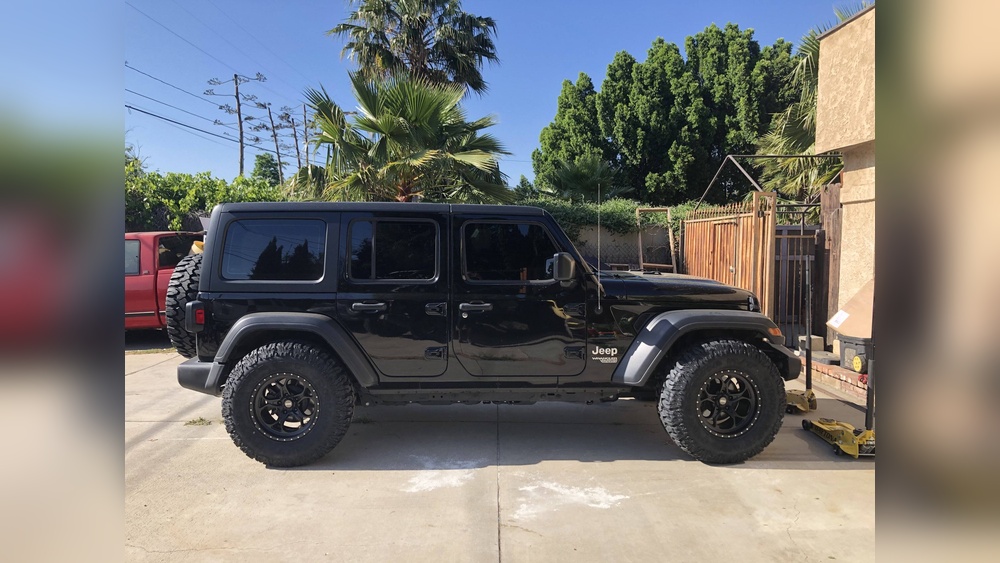
Whether you want a mild lift for daily driving or a big setup for off-roading, you’ll find clear advice and practical examples here.
Understanding Jeep Lift Basics
A Jeep lift means raising the vehicle’s height, usually to fit larger tires, improve off-road capability, or enhance style. Lifting can be done in several ways, but the most common are suspension lifts and body lifts.
Suspension lifts change the Jeep’s springs, shocks, and control arms. This gives more ground clearance and flexibility. Body lifts use spacers to raise the body above the frame, allowing for slightly bigger tires but not much extra clearance.
Most Jeep owners choose suspension lifts for better performance. Body lifts are cheaper but may cause handling issues if not installed well.
Main Parts Needed To Lift A Jeep
Before starting, you need to know which parts are involved. Here are the essentials:
- Lift Kit: The main component. Includes springs, shocks, and brackets.
- Tires and Wheels: Bigger tires often follow a lift. Check size compatibility.
- Brake Line Extensions: Needed for lifts above 2 inches. Prevents brake lines from stretching.
- Driveline Adjustments: For bigger lifts, you may need new driveshafts or spacers.
- Bump Stops: Protects the suspension from over-compression.
- Track Bars: Keeps the axle centered after lifting.
- Control Arms: Adjusts wheel alignment and stability.
- Sway Bar Links: Maintains handling and prevents body roll.
Some kits include all these parts; others are basic. Always check what’s included before buying.
Choosing The Right Lift Kit
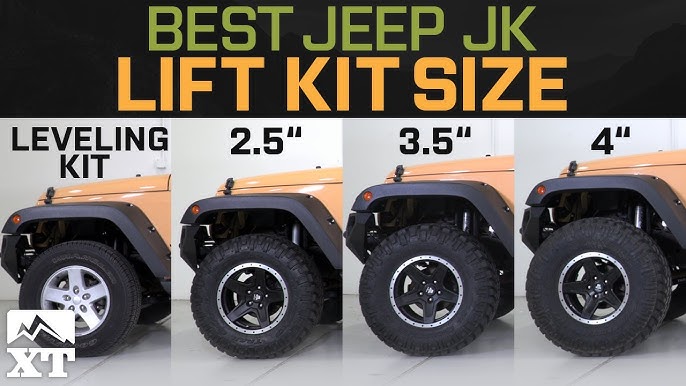
Lift kits come in many sizes and types. The right kit depends on your needs, budget, and Jeep model. Here’s a quick comparison of common lift heights:
| Lift Height | Main Use | Tire Size | Cost Range |
|---|---|---|---|
| 1-2 inches | Daily driving, mild off-road | Up to 33″ | $400-$800 |
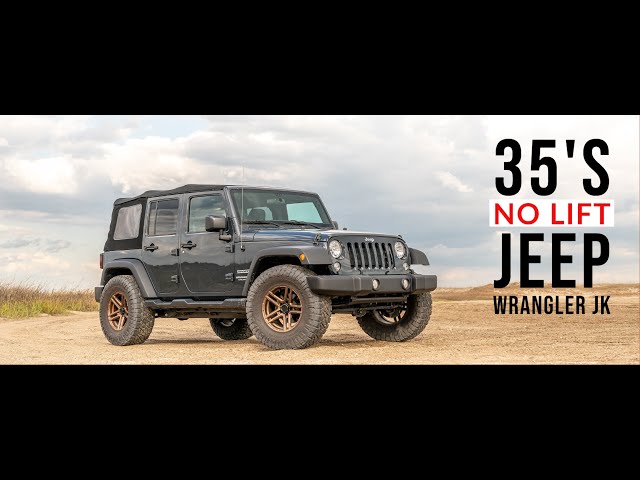
| 2-3.5 inches | Moderate off-road | 33″-35″ | $800-$1500 |
| 4+ inches | Extreme off-road | 35″+ | $1500-$3000+ |
Most people choose a 2-3 inch lift for balanced performance. Higher lifts are best for serious trails but can cause more wear and need extra parts.
Tools And Equipment Needed
Lifting a Jeep is a big job. Here’s what you’ll need:
- Socket set and wrenches
- Jack and jack stands
- Torque wrench
- Spring compressor (for suspension lifts)
- Safety gear (gloves, eye protection)
Some steps require special tools, so check your kit instructions first. Always work on a flat surface and never lift the Jeep without proper support.
Installation Steps And Tips
Installing a lift kit can take 6–12 hours, depending on experience. Here’s a simple outline:
- Remove wheels and old suspension parts
- Install new springs, shocks, and hardware
- Replace or adjust brake lines and driveline parts
- Check and adjust track bars and control arms
- Reinstall wheels and lower Jeep
- Check alignment and torque all bolts
A common beginner mistake is skipping alignment. Always get a professional alignment after lifting to avoid uneven tire wear and poor handling.
Another often-missed step is checking for rubbing with new tires. Test drive slowly and listen for noises.
Example: 2-inch Lift On Jeep Wrangler
Let’s look at a real example. A Jeep Wrangler with a 2-inch suspension lift can fit 33-inch tires. The cost is usually about $900 for parts. Brake line extensions are optional but recommended. After installation, the Jeep gains 2 inches of clearance and a more aggressive look. Most owners report improved off-road performance without losing comfort.
If you go higher, say 4 inches, you’ll need longer driveshafts and more suspension parts. The ride may become rougher, and the steering harder to control.
Comparing Suspension Vs Body Lift
To decide which type suits you, here’s a quick comparison:
| Type | Pros | Cons |
|---|---|---|
| Suspension Lift | Better performance, more clearance, fits bigger tires | Higher cost, more complex install |
| Body Lift | Cheaper, easier install | Limited clearance, possible handling issues |
Suspension lifts are best for serious off-roaders. Body lifts work for light upgrades but may not handle rough terrain well.
Legal And Safety Considerations
Lifting your Jeep can affect safety and legality. Some states have rules for maximum lift height. Always check local laws before starting.
Insurance may change after a lift. Tell your provider about any modifications. Ignoring this can cause problems if you have an accident.
Safety is key. Never cut corners or skip parts. Using low-quality kits can cause suspension failure or poor handling.
Two Insights Most Beginners Miss
First, gearing changes may be needed with bigger tires. Larger tires can reduce power and fuel economy, so consider re-gearing the axles for best results.
Second, drivetrain angles change after lifting. If you ignore this, you may get vibrations or wear out your driveshafts faster. Check angles during installation and use spacers or new shafts if needed.
Where To Learn More
For deeper technical advice, visit Jeep Official Owners Site. They offer guides and community support for different Jeep models.
Frequently Asked Questions
What Is The Best Lift Height For My Jeep?
Most owners choose 2-3 inches for a good mix of off-road ability and daily comfort. Higher lifts are for advanced trails and bigger tires.
Do I Need New Shocks When Lifting My Jeep?
Yes, new shocks are needed for most suspension lifts. Old shocks may not fit or work well with the new height.
Will Lifting My Jeep Affect Fuel Economy?
Yes, bigger tires and higher suspension often reduce fuel efficiency. Expect a drop of 1 3 mpg, especially with aggressive tires.
Is A Body Lift Safe For Off-roading?
Body lifts are safe for mild terrain but not recommended for heavy off-roading. They can cause stability issues on rough trails.
Can I Lift My Jeep Myself Or Should I Use A Shop?
Experienced DIYers can install basic lifts at home. For complex lifts or if you’re unsure, use a professional shop to avoid mistakes.
Lifting your Jeep is a big step, but it can transform how your vehicle looks and performs. With the right parts, careful planning, and attention to detail, you’ll enjoy more freedom both on and off the road.
Always research your Jeep model, use quality components, and don’t rush the process.
The result will be a safer, tougher, and more capable Jeep ready for adventure.