The Jeep Comanche is a rare pickup truck that still sparks excitement among collectors and off-road fans. When people ask, "How many Jeep Comanches were made?"
they're often surprised by the answer. Jeep produced this unique truck for just a short period, yet it left a lasting mark on automotive history.
In this article, you’ll discover production numbers, key details, and why the Comanche remains special.
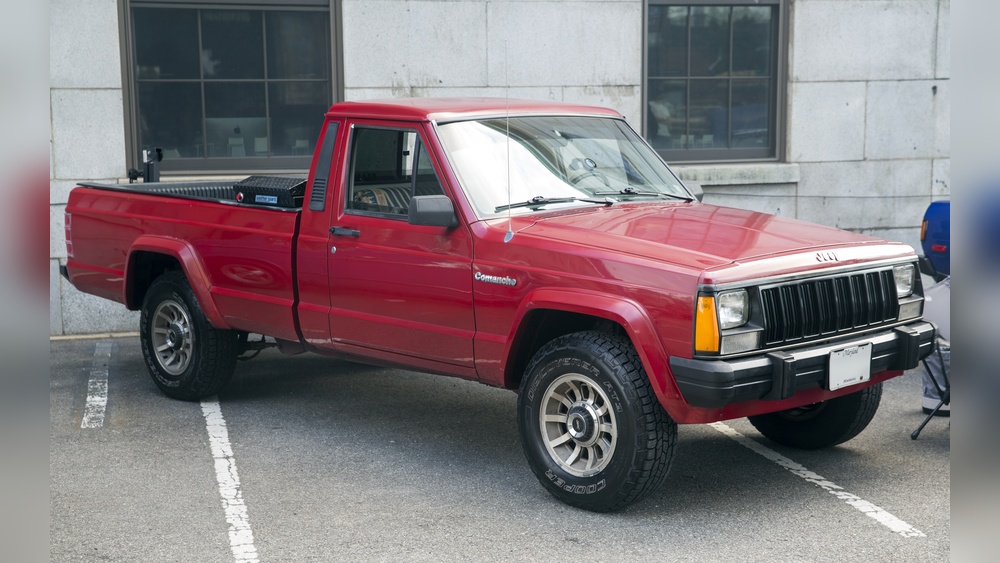
The History Of The Jeep Comanche
In 1986, Jeep introduced the Comanche (MJ), aiming to enter the compact pickup market. It was based on the Cherokee XJ, which gave it a strong chassis and familiar styling. The Comanche offered both two-wheel and four-wheel drive options, making it versatile for work and play.
Unlike other small pickups of the era, the Comanche used a unibody construction in the front combined with a traditional truck bed. This design helped it drive more like an SUV but still handle tough jobs.
Owners appreciated the solid ride quality and how well it performed off-road qualities that helped the Comanche earn a loyal following.
Production ended in 1992. The Comanche was the last pickup truck from Jeep until the Gladiator appeared decades later.
Its short run means it’s a rare find today, especially in good condition. Many people don’t realize that the Comanche was built during a period of big change for Jeep, just before Chrysler took over the brand.
This transition influenced not just the Comanche’s lifespan, but also its features and market position.
Total Production Numbers
Official records show that Jeep built approximately 190,000 Comanches during its production years. This figure includes all trim levels and engine types. The exact number is hard to pin down because Jeep didn’t always split data clearly by model year or version.
Here’s a breakdown of production by year:
| Year | Estimated Units Produced |
|---|---|
| 1986 | 30,000 |
| 1987 | 35,000 |
| 1988 | 32,000 |
| 1989 | 28,000 |
| 1990 | 25,000 |
| 1991 | 22,000 |
| 1992 | 8,000 |
As you can see, numbers dropped steadily. By the last year, only a small batch was made.
A detail many overlook: the Comanche’s peak years were its first three, when the compact truck market was still growing. After 1989, competition from other brands and changing buyer tastes led to fewer sales. The 1992 models are especially rare because Jeep was already preparing to phase out the truck.
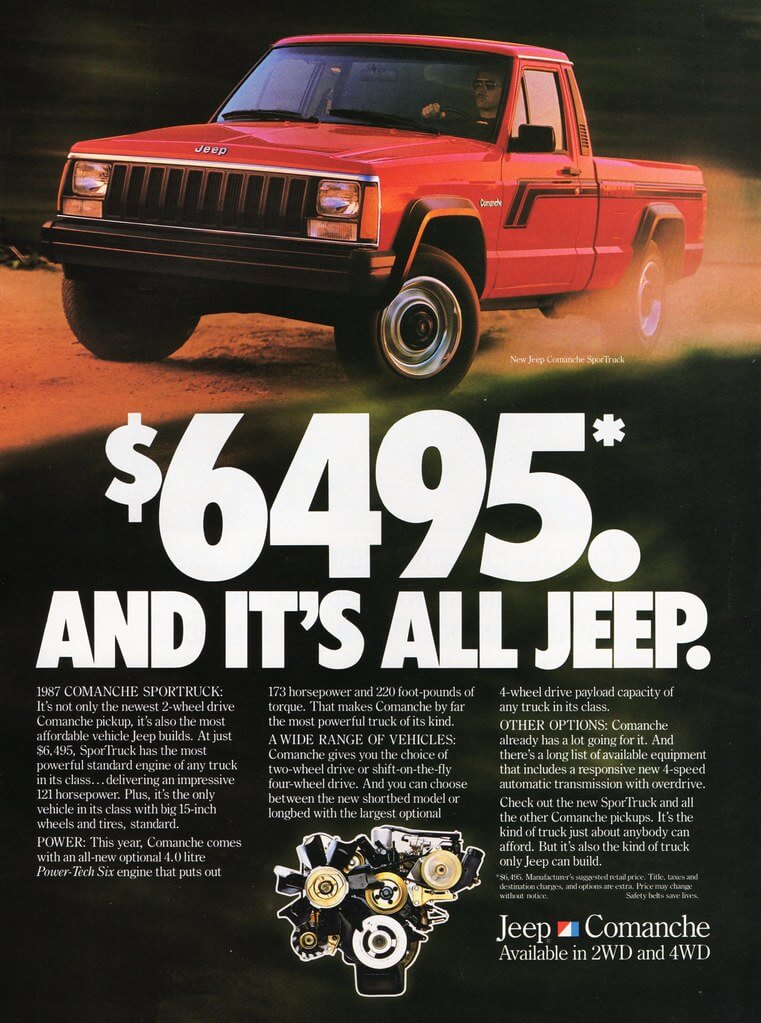
Trim Levels And Special Editions
The Comanche came in several trims:
- Base
- X
- Sport
- Pioneer
- Chief
- Laredo
- Eliminator
The Eliminator was the sportiest, with unique graphics and high-performance features. Special editions like the Pioneer and Chief added comfort and style options. Most Comanches had basic interiors, but higher trims offered extras like bucket seats and upgraded audio.
Some trims are rarer than others. For example, the Eliminator is sought after because fewer were made, especially in later years.
| Trim Level | Estimated Production (All Years) |
|---|---|
| Base | 70,000 |
| Pioneer | 45,000 |
| Sport/Chief | 30,000 |
| Laredo | 25,000 |
| Eliminator | 20,000 |
Keep in mind, these are rough estimates. Jeep’s official numbers are not always available for each trim.
Trim level mattered not just for appearance, but for features like power windows, air conditioning, and upgraded wheels. The Laredo and Eliminator sometimes came with limited-slip differentials or special paint, making them even more desirable today.
Many people don’t realize that some rare factory options like off-road axles or towing packages can make one Comanche much more collectible than another, even within the same trim.
Engine Options And Production Impact
The Comanche offered several engines:
- 2.5L AMC I4
- 2.8L GM V6 (only in early years)
- 4.0L AMC I6
The 4.0L inline-six is famous for its reliability and power. Trucks with this engine are especially valuable to collectors. The V6 was less popular and dropped after 1986. The four-cylinder was common in base models, offering good fuel economy.
Most Comanches on the road today have the 4. 0L or 2. 5L engines. If you find one with the V6, it’s likely an early model.
| Engine | Estimated Production |
|---|---|
| 2.5L I4 | 90,000 |
| 2.8L V6 | 15,000 |
| 4.0L I6 | 85,000 |
One non-obvious insight: the Comanche’s engine choices influenced how long each truck lasted. The 4.0L models often survived longer due to their durability.
Another detail most people miss: some early 2.5L engines had carburetors, while later models used fuel injection. This change made the engines more reliable and easier to maintain. Collectors often prefer fuel-injected versions for their smoother performance and better parts availability.

Why The Comanche Is Rare Today
While nearly 190,000 units were made, far fewer survive. Many were used as work trucks and driven hard. Rust, accidents, and lack of maintenance means only a small fraction remain in good shape. This makes finding a clean Comanche difficult, especially with original parts.
Another reason for rarity: Jeep stopped making pickups after the Comanche for almost 30 years. This gap turned the Comanche into a unique collector’s item.
It’s also important to know that many Comanches were modified for off-road use or racing. These trucks often lost original parts or had engine swaps, making untouched examples even scarcer.
If you spot a low-mile, original Comanche, especially with paperwork and factory options, you’ve found something special.
Collectibility And Value
Comanches in top condition can sell for much more than similar pickups. The Eliminator and 4.0L models are most valuable. Rarity, factory options, and rust-free bodies drive prices up. Even base models are popular among off-road builders.
A common mistake: buyers often overlook frame rust and missing parts. These trucks are old, so careful inspection is key before buying.
Another tip: check if the Comanche has its original bed, as replacements are very hard to find. The unique bed design means parts from other trucks rarely fit, making restoration expensive if damaged. Also, watch for electrical issues, which can be tricky to fix due to age and the limited number of replacement harnesses.
If you want more technical specs or historical data, check the Wikipedia Jeep Comanche page.
Frequently Asked Questions
How Many Jeep Comanches Were Made?
Jeep produced about 190,000 Comanches between 1986 and 1992. Exact numbers vary by year and trim.
What Is The Rarest Comanche Trim?
The Eliminator trim is the rarest, especially models made after 1990. It has sportier features and unique graphics.
Are Jeep Comanches Hard To Find Today?
Yes. Most Comanches were used as work trucks, so few remain in good condition. Rust and age are major factors.
What Engine Is Most Desirable In A Comanche?
The 4.0L inline-six is most sought after. It’s powerful, reliable, and lasts longer than other engines.
Why Did Jeep Stop Making The Comanche?
Jeep ended Comanche production in 1992 to focus on SUVs and because pickup sales slowed. The brand returned to pickups with the Gladiator decades later.
The Jeep Comanche is more than just a number. Its limited production, tough design, and lasting fan base make it a standout in Jeep’s history. If you find one for sale, you’re looking at a piece of American automotive culture.