When you drive a Jeep off-road or on rough terrain, you might hear bumps, feel jolts, or notice the suspension working hard. One part that protects your Jeep during these moments is the bump stop.
Many Jeep owners don’t fully understand what bump stops do, but they are essential for safety, comfort, and vehicle durability. Let’s explore how bump stops work, why they matter, and what happens if you ignore them.
What Are Bump Stops?
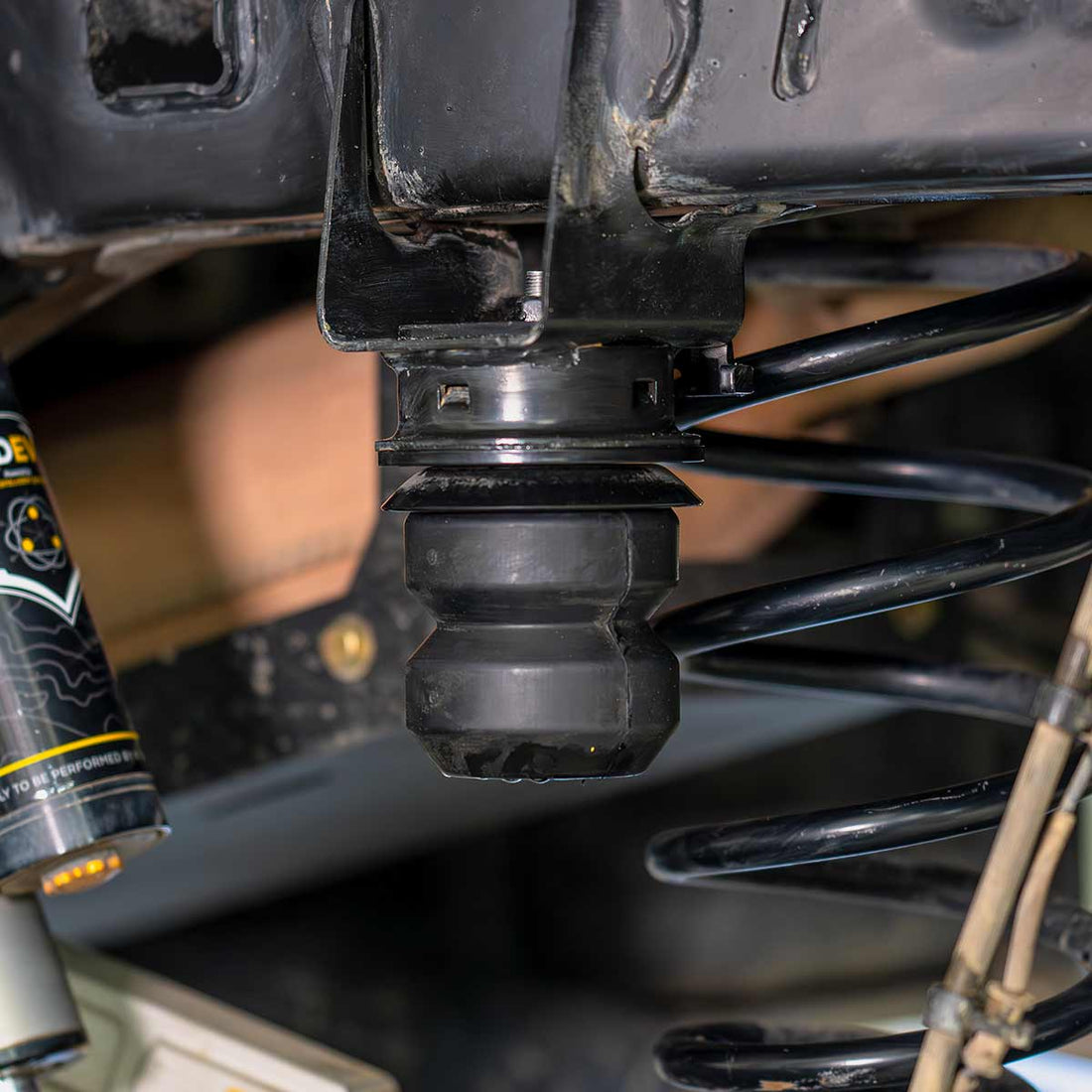
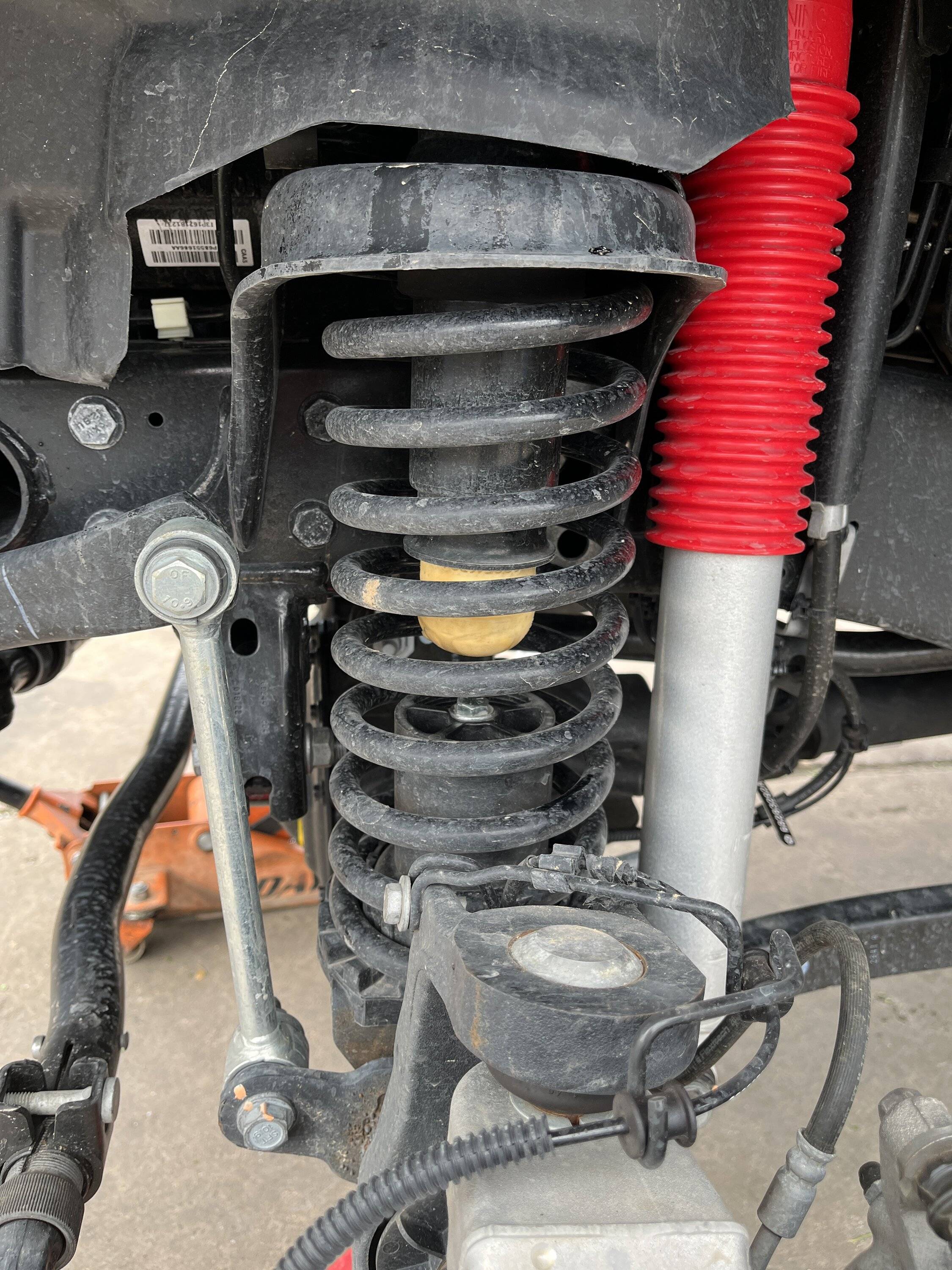
Bump stops are small parts attached to the suspension system. Their main job is to limit how far the suspension can move up and down. When your Jeep’s wheels hit a big bump, the suspension compresses. If it compresses too much, metal parts can hit each other. Bump stops act as a cushion, preventing these hard impacts.
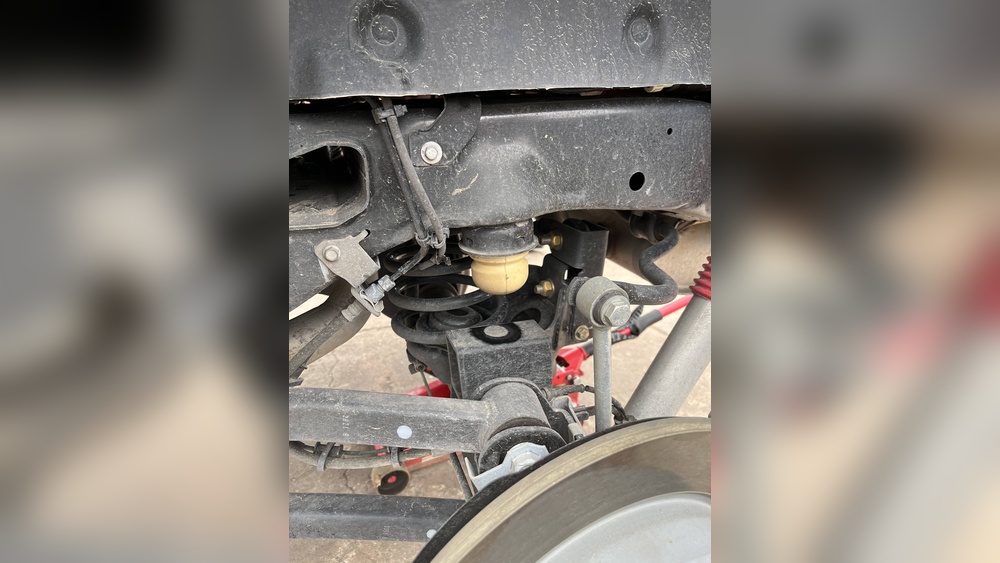
There are several types of bump stops:
- Rubber bump stops: Soft, flexible, affordable, used in most factory Jeeps.
- Polyurethane bump stops: Slightly firmer, longer lasting, better for moderate off-road use.
- Hydraulic bump stops: Advanced, used by serious off-road drivers, absorb more energy.
Each type offers different levels of protection and performance. Choosing the right bump stop depends on how you drive your Jeep.
Why Bump Stops Matter For Jeeps
For Jeep owners, bump stops are more than just safety parts. Here’s why they matter:
- Protect Suspension and Frame: Without bump stops, the suspension can “bottom out,” meaning it compresses fully and metal hits metal. This can bend axles, damage shocks, or even crack the frame.
- Improve Comfort: Bump stops soften the impact when you hit a big bump. This makes the ride smoother, especially off-road.
- Prevent Tire Damage: When the suspension compresses too much, tires can rub against the body or fenders. Bump stops help prevent this.
- Control Suspension Travel: They keep the suspension moving within safe limits, which is important for handling and stability.
Many beginners miss the fact that changing tire size or lift height often requires new bump stops. If you lift your Jeep or put on bigger tires, you need longer bump stops to match the new setup.
How Bump Stops Work In Jeep Suspension
When you drive over rough ground, the suspension compresses as the wheels move upward. If the spring and shock absorber reach their maximum compression, the bump stop takes over. It absorbs the extra energy and slows the movement, preventing damage.
Let’s compare how bump stops work in different Jeep models:
| Model | Bump Stop Type | Suspension Travel (inches) | Factory Bump Stop Length (inches) |
|---|---|---|---|
| Jeep Wrangler JK | Rubber | 8.5 | 2.5 |
| Jeep Wrangler JL | Rubber | 9.2 | 2.75 |
| Jeep Gladiator | Polyurethane | 10 | 3 |
As you can see, each model uses slightly different bump stops based on suspension travel and design.
Upgrading Bump Stops: What You Need To Know
If you’re planning to lift your Jeep or use it for serious off-roading, upgrading bump stops is important. Here’s what you should consider:
- Lift Height: A higher lift means the suspension can travel farther. You’ll need longer bump stops to keep the tires from rubbing or parts from hitting.
- Tire Size: Bigger tires require more space, so longer bump stops help protect the fenders.
- Driving Style: If you often drive fast off-road or hit big jumps, hydraulic bump stops are best. For mild trails, polyurethane is enough.
It’s easy to overlook bump stops when making upgrades. Many Jeep owners focus on shocks, springs, or tires and forget about bump stops. This can lead to expensive damage and uncomfortable rides.
Let’s compare different bump stop materials:
| Material | Durability (years) | Cost ($) | Best Use |
|---|---|---|---|
| Rubber | 3-5 | 15-30 | Factory, light off-road |
| Polyurethane | 5-8 | 30-60 | Moderate off-road |
| Hydraulic | 10+ | 200-400 | Extreme off-road |
Most factory Jeeps use rubber bump stops. Upgrades can cost more but offer longer life and better protection.
Common Mistakes With Jeep Bump Stops
Many Jeep owners make mistakes with bump stops. Here are some you should avoid:
- Ignoring bump stops after lifting: A lift kit changes suspension geometry. If you keep factory bump stops, tires may rub or parts may get damaged.
- Using bump stops that are too short: This allows suspension to compress too much, risking damage.
- Choosing the wrong material: For extreme off-roading, rubber may not be strong enough.
- Failing to check bump stops regularly: Bump stops wear out and can crack or fall off. Inspect them every oil change.
A smart Jeep owner keeps bump stops in mind for both upgrades and routine maintenance.
How To Check And Replace Bump Stops
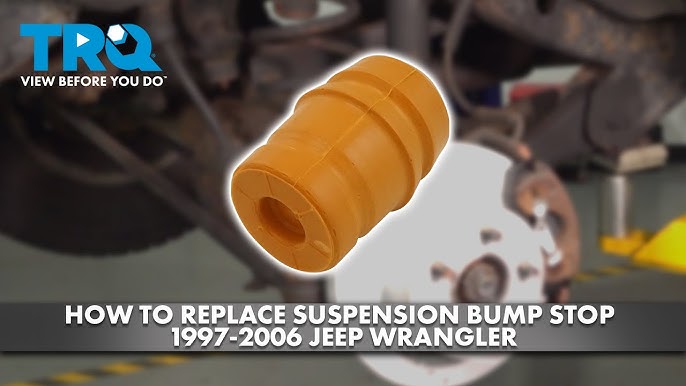
Checking bump stops is simple. Look under your Jeep at the suspension. You should see the bump stop sitting above the axle or control arm. If it’s cracked, missing, or looks worn out, it’s time to replace.
To replace bump stops:
- Lift your Jeep safely.
- Remove the wheel for better access.
- Unbolt or pry out the old bump stop.
- Install the new bump stop, making sure it fits snugly.
- Lower the Jeep and check for proper clearance.
Most replacements take less than an hour. Upgrading bump stops is one of the easiest ways to protect your Jeep.
Real-world Example: Off-road Jeep Adventures
Consider a Jeep Wrangler owner who added a 3-inch lift and bigger tires. At first, he kept the factory bump stops.
On a rocky trail, the tires rubbed the fender, and the suspension bottomed out hard. After installing longer polyurethane bump stops, the ride improved, and tire rubbing stopped.
This shows how important the right bump stops are for off-road adventures.
If you want detailed technical info about suspension design, check Wikipedia.
Frequently Asked Questions
What Happens If I Remove Bump Stops From My Jeep?
Removing bump stops lets the suspension compress too much. This can cause metal parts to hit, damage the frame, and lead to expensive repairs.
Do I Need To Upgrade Bump Stops After Lifting My Jeep?
Yes, you should upgrade bump stops after a lift. Higher suspension travel means you need longer bump stops to protect your Jeep.
Can Bump Stops Improve Ride Comfort?
Yes, bump stops soften impacts when the suspension bottoms out. This makes the ride smoother, especially over bumps.
How Often Should I Check My Jeep’s Bump Stops?
Check bump stops every oil change or at least twice a year. Look for cracks, missing parts, or signs of wear.
Are Hydraulic Bump Stops Worth It For Daily Driving?
Hydraulic bump stops are not necessary for daily driving. They are best for extreme off-road use where impacts are frequent and severe.
Bump stops might be small, but they play a big role in keeping your Jeep safe and comfortable. Whether you drive on highways or rough trails, understanding bump stops helps you get the best performance and avoid costly mistakes.