The Jeep Cherokee is more than just an SUV it's a symbol of adventure, ruggedness, and American automotive history. Many people wonder when this iconic vehicle first made its debut.
The story of the Jeep Cherokee’s origins is a journey through changing car trends, evolving technology, and a growing demand for vehicles that blend off-road capability with daily comfort.
If you’re interested in the roots of the Jeep Cherokee, or considering buying one, understanding its first appearance and evolution can help you appreciate why it remains so popular today.
The Year The Jeep Cherokee Came Out
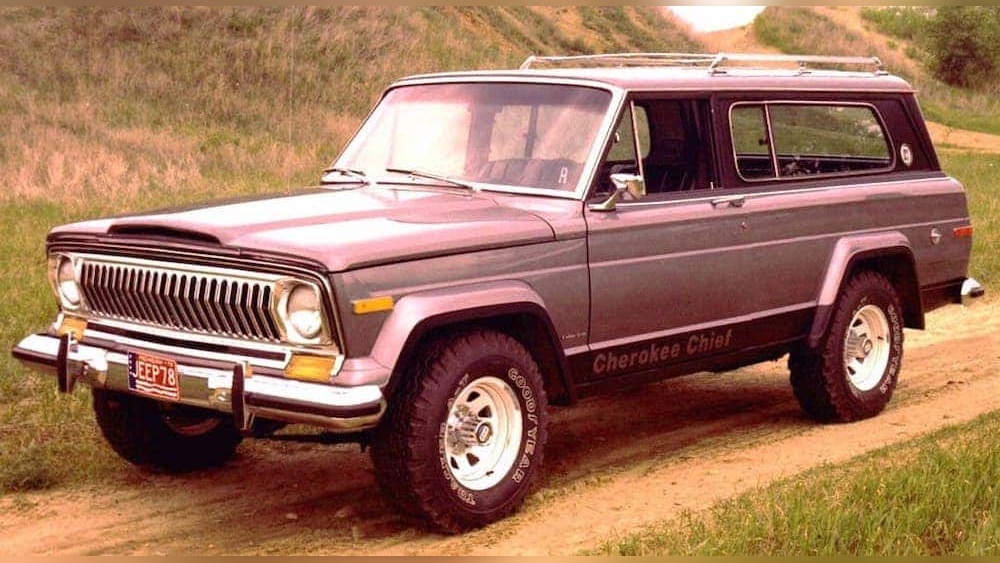
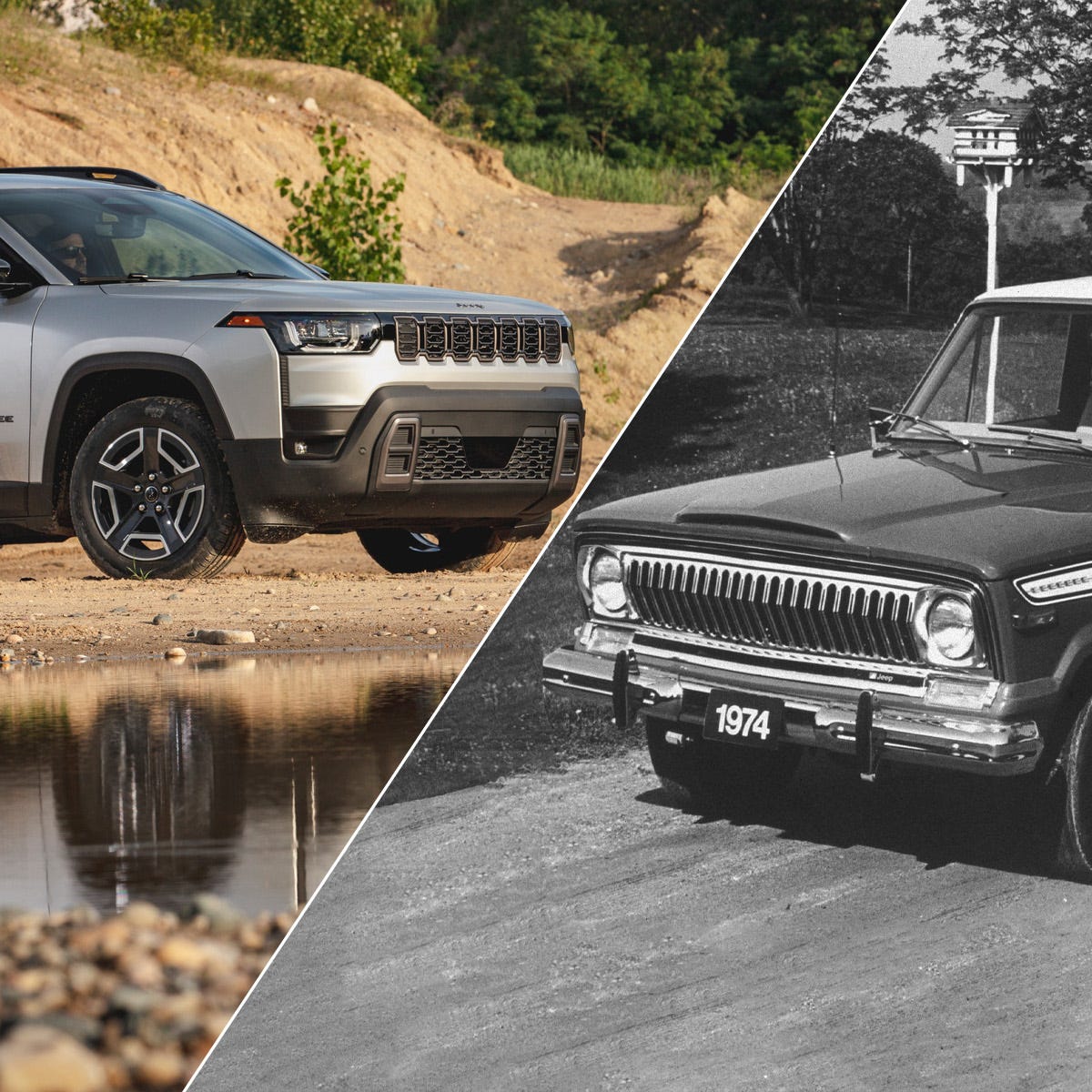
The Jeep Cherokee was first introduced in 1974. Designed as a two-door version of the Wagoneer, the Cherokee quickly stood out for its unique blend of style, versatility, and toughness. The launch of the Cherokee marked a turning point for Jeep, setting the stage for the rise of the modern SUV.
The 1974 Jeep Cherokee (SJ) was built to appeal to younger buyers who wanted a vehicle with both off-road ability and everyday usability. At the time, most SUVs were either practical but plain, or too focused on utility. The Cherokee changed that balance.
How The First Jeep Cherokee Was Different
The original Jeep Cherokee SJ was unique for several reasons:
- Two-Door Design: Unlike the four-door Wagoneer, the first Cherokee had two doors, giving it a sportier look and feel.
- Full-Size Platform: It used a strong, full-size frame, which made it excellent for rough terrain.
- V8 Power: Buyers could choose engines up to a 401 cubic inch V8, which offered serious power for the era.
- Family and Adventure: It was comfortable enough for families but tough enough for outdoor adventures.
These features made the Cherokee attractive to a new group of drivers. Young families, outdoor enthusiasts, and anyone looking for a stylish but capable SUV found the Cherokee appealing.
Key Milestones After 1974
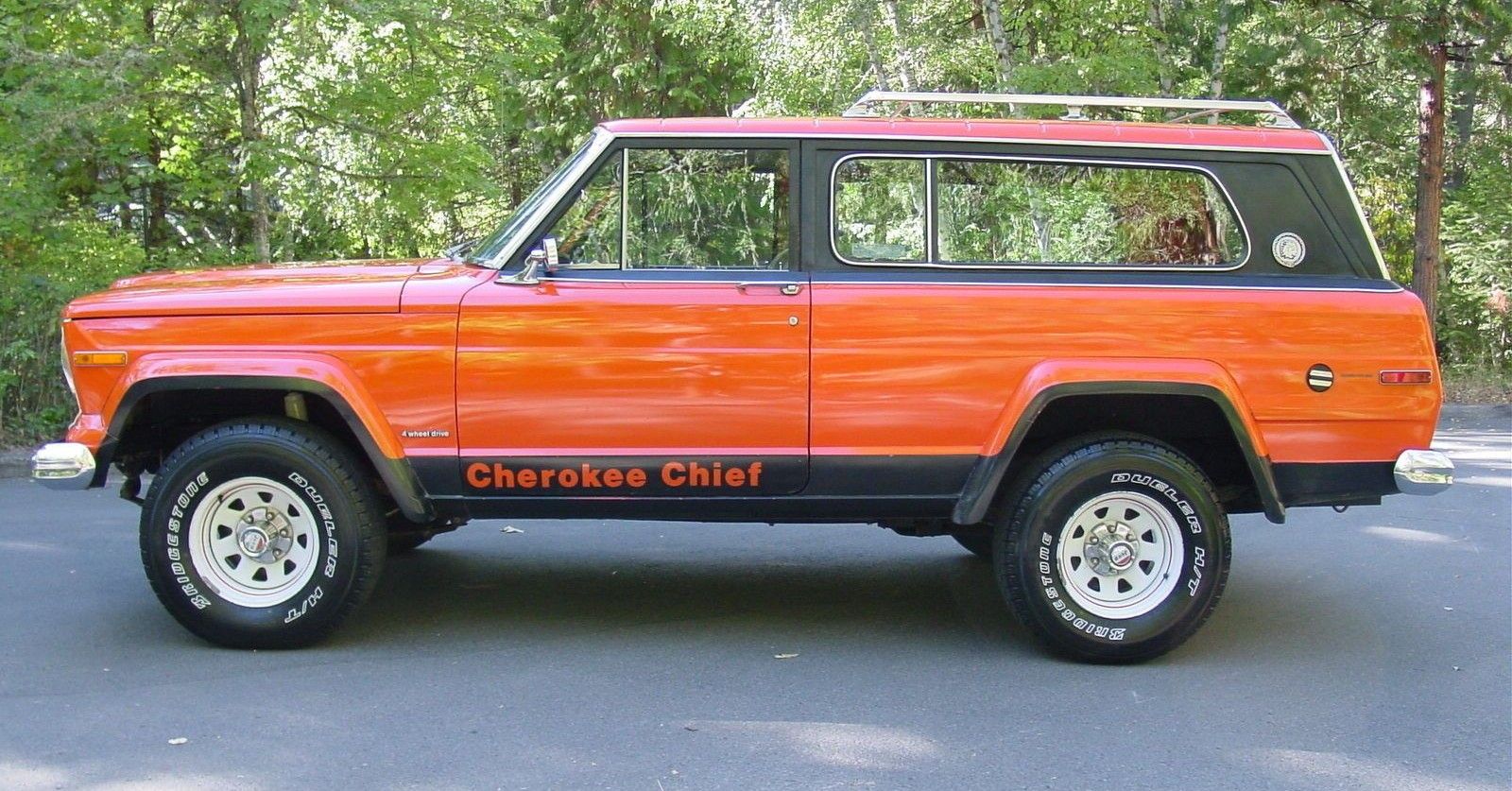
After its introduction, the Jeep Cherokee saw several important changes:
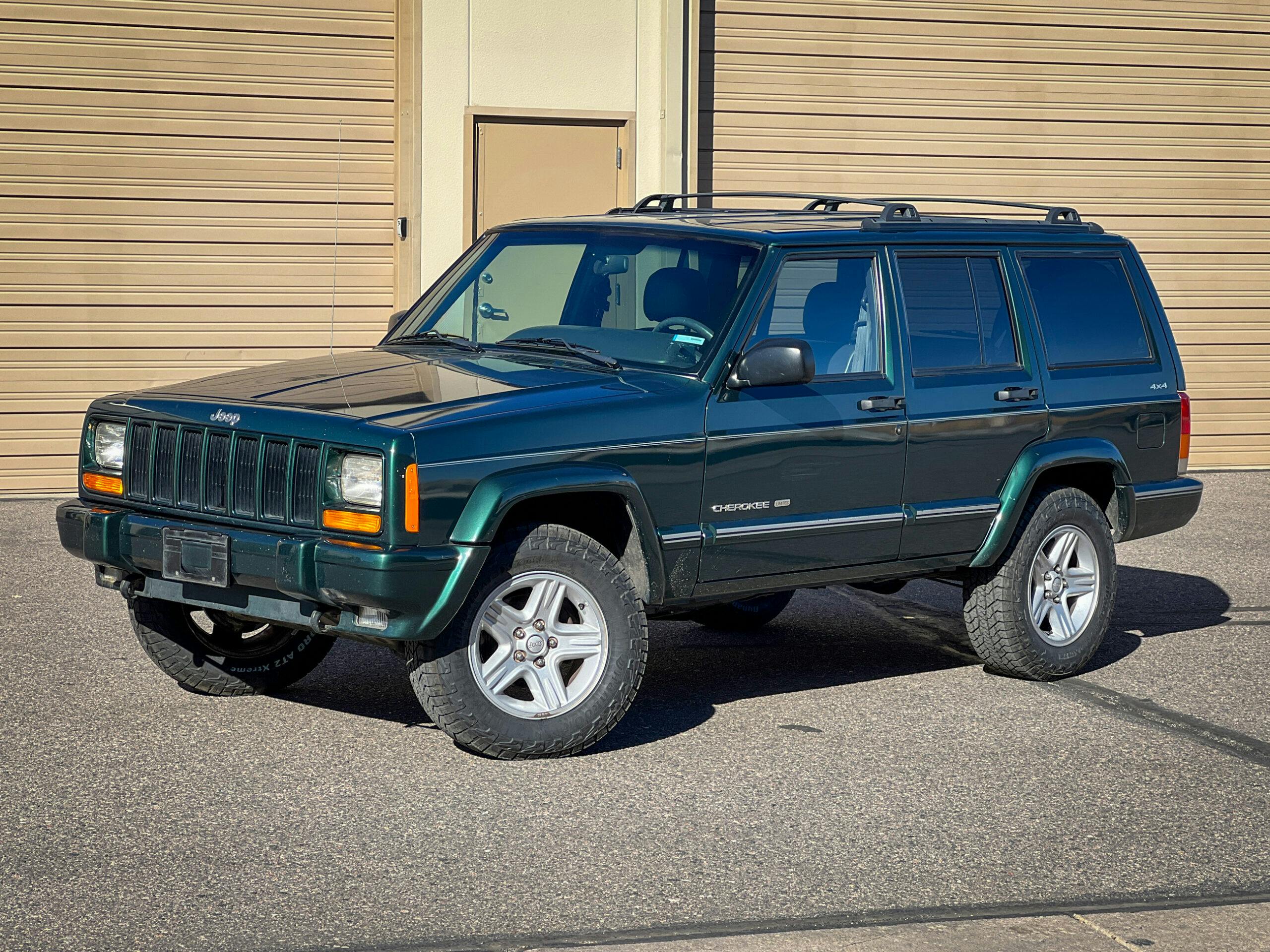
- 1984 – The XJ Generation: Jeep launched a completely redesigned Cherokee, called the Cherokee XJ. This new model was smaller, lighter, and had a more modern look. It was also one of the first SUVs to use a unibody construction instead of a body-on-frame design.
- Four-Door Option: In 1984, Jeep added a four-door model, which soon outsold the two-door version.
- Popularization of SUVs: The XJ Cherokee is often credited with starting the SUV boom in the United States.
Here’s a quick comparison of the first two Cherokee generations:
| Feature | 1974 Cherokee (SJ) | 1984 Cherokee (XJ) |
|---|---|---|
| Body Style | 2-door, later 4-door | 2-door & 4-door |
| Construction | Body-on-frame | Unibody |
| Engine Options | I6, V8 | I4, V6, I6 |
| Drive Options | RWD, 4WD | RWD, 4WD |
Why The Jeep Cherokee Stood Out
In the 1970s, the SUV market was still small. Most vehicles were either trucks or family cars. The Jeep Cherokee combined the best of both worlds:
- Versatility: It could handle tough trails but was comfortable for daily driving.
- Roomy Interior: More space for passengers and cargo compared to competitors.
- Reliable 4WD: Jeep’s four-wheel drive system was trusted for off-road trips.
One detail many beginners miss is that the Cherokee was also aimed at people who wanted a vehicle for all seasons. Whether you faced snow, mud, or city traffic, the Cherokee delivered.
The Cherokee’s Influence On Suvs
The Jeep Cherokee’s introduction in 1974 was a key moment that helped shape the entire SUV segment. The 1984 XJ model especially set the template for future SUVs compact, practical, and easy to drive.
Here are a few ways the Cherokee influenced the SUV market:
- Unibody Construction: The 1984 XJ was one of the first SUVs with this design, making it lighter and more fuel-efficient.
- Four-Door SUV Trend: The success of the four-door Cherokee showed that families wanted SUVs, not just sportsmen or off-roaders.
- Urban and Off-Road Appeal: The Cherokee’s comfort and capability made SUVs popular in cities, not just rural areas.
Comparison With Other Suvs Of The Time
To see how the Cherokee compared to other SUVs in the 1970s and 1980s, here’s a simple side-by-side look:
| Model | Year Introduced | Drive Type | Main Appeal |
|---|---|---|---|
| Jeep Cherokee | 1974 | 4WD | Versatile, stylish, family-friendly |
| Ford Bronco | 1966 | 4WD | Sporty, off-road focus |
| Chevrolet Blazer | 1969 | 4WD | Large, powerful, utility |
| Toyota 4Runner | 1984 | 4WD | Reliable, off-road |
Notice that the Cherokee was among the first to target both families and adventure seekers, a strategy that helped it stand out from early SUVs.
Little-known Insights About The First Cherokee
- The original Cherokee was a rebadged Wagoneer with a sportier body style. Jeep simply swapped out the rear side windows and made a few design tweaks, but it was enough to attract a new audience.
- “Sport Utility Vehicle” as a term grew popular because of the Cherokee. Jeep marketing often used this phrase, helping create the SUV category as we know it today.
Many people think SUVs were always popular, but the Cherokee played a major role in making them mainstream.
The Cherokee Legacy Today
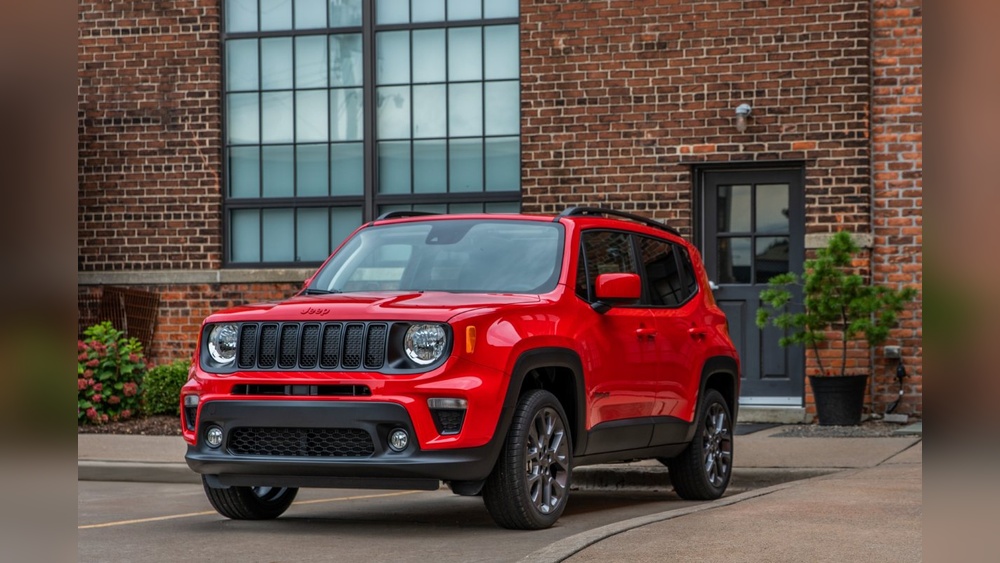
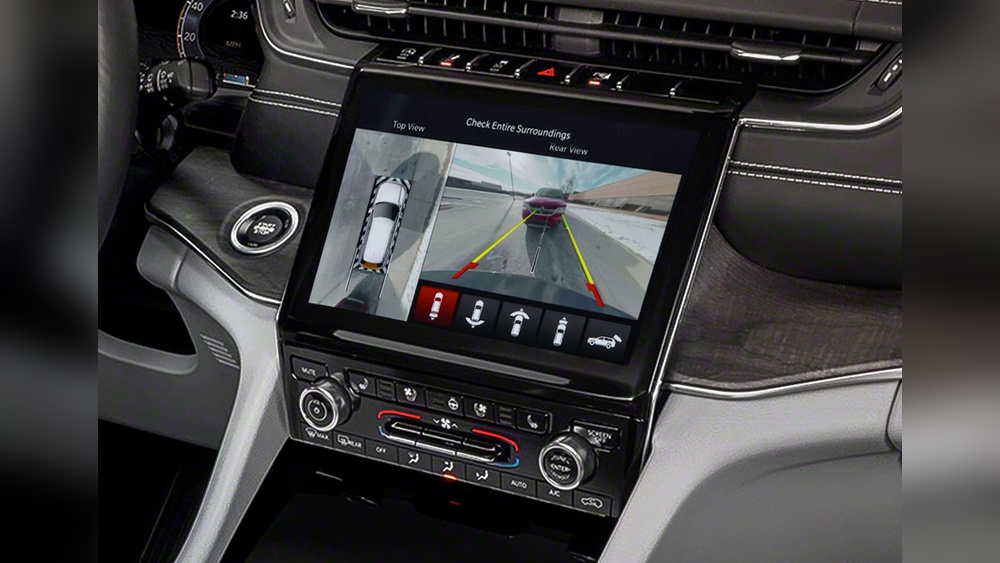
The Jeep Cherokee has gone through several redesigns since 1974. Each generation added new technology, safety features, and more comfort, while keeping the original spirit of adventure alive.
Today’s Cherokee models are very different from the 1974 original, but they share the same DNA practical, tough, and ready for anything. You can see the Cherokee’s influence in almost every SUV on the road today.
For more on the Jeep Cherokee’s history, check out the official Wikipedia page.
Frequently Asked Questions
When Did The Jeep Cherokee First Come Out?
The Jeep Cherokee was first released in 1974 as a two-door SUV based on the Wagoneer.
What Made The Original Cherokee Special?
The first Cherokee combined off-road ability, a sporty design, and comfort for families. This mix was new in the 1970s.
When Did The Four-door Jeep Cherokee Appear?
Jeep introduced the four-door Cherokee in 1984 with the XJ generation, which quickly became more popular than the two-door.
Is The Jeep Cherokee Still Made Today?
Yes, the Jeep Cherokee is still produced, though it has changed a lot over the years to add modern features and comfort.
What’s The Difference Between The Cherokee And Grand Cherokee?
The Cherokee is a mid-size SUV, while the Grand Cherokee is larger and more luxurious, offering more features and power.
The Jeep Cherokee’s story is one of innovation, adventure, and lasting influence. Whether you’re a fan of classic cars or just want a reliable SUV, knowing its origins can help you see why the Cherokee remains a top choice after all these years.