The Jeep EcoDiesel engine has sparked many debates among off-road fans, daily drivers, and truck owners. Some praise its fuel efficiency and torque, while others worry about long-term reliability and maintenance costs.
If you’re considering a Jeep with the EcoDiesel, you probably want clear, practical answers: Is the EcoDiesel a good engine? What are its strengths and weak points?
Let’s dig into real-world experience, honest comparisons, and the details that matter most.
What Is The Jeep Ecodiesel Engine?
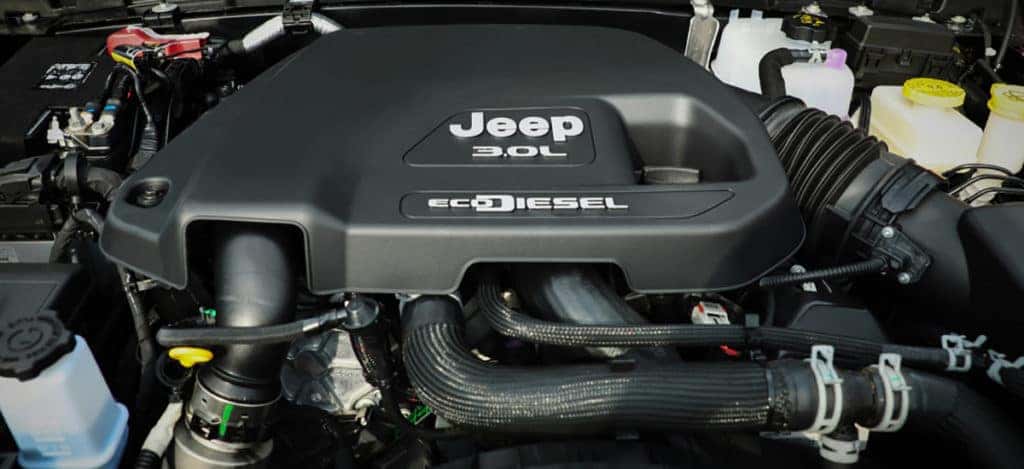
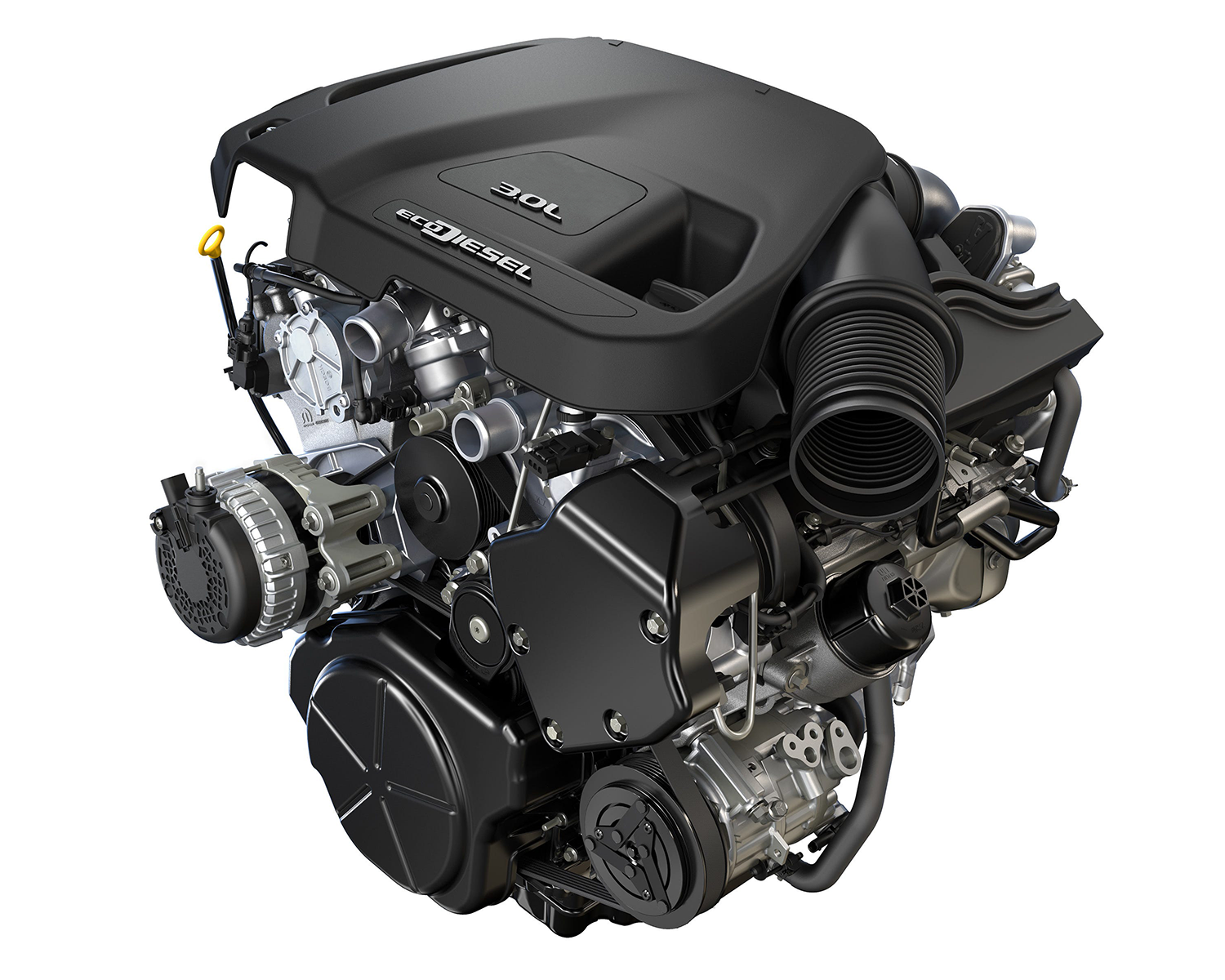
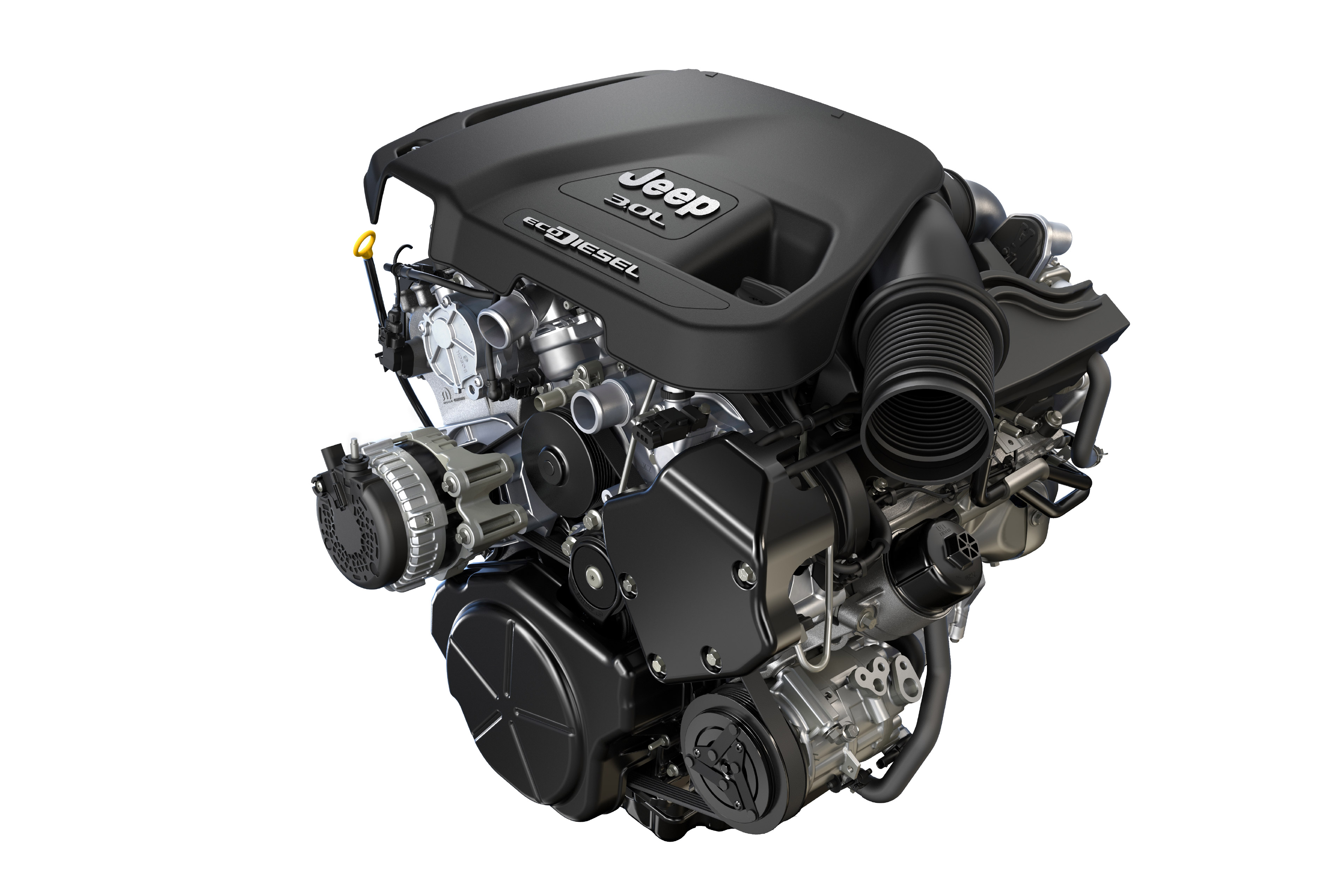
Jeep’s EcoDiesel engine is a 3.0-liter V6 turbocharged diesel, designed to deliver more torque and better fuel economy than most gas engines in the Jeep lineup. First introduced in 2014, it’s available in popular models like the Jeep Grand Cherokee and Jeep Wrangler.
This engine was developed by VM Motori, an Italian company owned by Stellantis (Jeep’s parent company). Over the years, Jeep has made updates to fix early issues and improve performance.
Key Specs And Performance
To understand if the EcoDiesel is a good fit, it helps to look at the numbers.
| Specification | EcoDiesel V6 | 3.6L Pentastar V6 (Gas) |
|---|---|---|
| Horsepower | 260 hp | 285 hp |
| Torque | 442 lb-ft | 260 lb-ft |
| MPG (Highway) | 29 mpg | 25 mpg |
| Towing Capacity | 6,500 lbs | 6,200 lbs |
Key insight: The EcoDiesel offers much more torque than the gas V6, which means stronger acceleration and easier towing—especially at low speeds. Its fuel economy also stands out, especially for long highway drives.
Real-world Fuel Economy And Costs
Owners often choose the EcoDiesel for its fuel savings. The EPA rates the Wrangler EcoDiesel at up to 29 mpg highway, but many drivers report getting 25–30 mpg in real use. Compared to gas Jeeps, that can mean saving hundreds of dollars per year on long commutes or road trips.
However, diesel fuel usually costs more per gallon than regular gas in the US. Also, the EcoDiesel requires DEF (Diesel Exhaust Fluid), an added running cost. Here’s a quick look at common costs:
| Item | EcoDiesel | Gas Engine |
|---|---|---|
| Fuel Cost (per gallon) | $4.00 | $3.50 |
| Oil Change Interval | 10,000 miles | 6,000 miles |
| DEF Top-Up Interval | Every 5,000 miles | N/A |
Practical tip: The higher up-front price for the EcoDiesel option (about $4,000 more) means you need to drive a lot—usually over 60,000 miles—to break even on fuel savings.
Reliability And Common Issues
The EcoDiesel’s reliability has improved, but it’s not perfect. Earlier models (especially 2014–2016) had several problems:
- EGR cooler failures – Could lead to coolant leaks and engine damage
- Oil cooler leaks
- Emissions system problems – Related to DEF and DPF (diesel particulate filter)
Jeep addressed most issues with recalls and a major update in 2020. Still, diesel engines are more complex than gas engines, with more sensors and emissions equipment. That means repairs can be expensive if something goes wrong.
Non-obvious insight: Short city drives are tough on the EcoDiesel. The DPF needs regular highway speeds to burn off soot. If you do mostly short trips, the filter can clog, causing warning lights and even “limp mode.”
Driving Experience: What Owners Say
Many Jeep owners love the EcoDiesel for its quiet ride and strong low-end power. It feels relaxed on the highway, with plenty of torque for hills and passing. Towing a boat or camper is much easier compared to a gas V6.
But the engine is heavier, which changes the handling slightly. Some off-road fans say the extra weight up front can make the Jeep feel less nimble on rocky trails.
Real owner feedback:
- “I get 28 mpg on the highway, towing a small trailer. That’s amazing for a Jeep.”
- “The torque is great, but repairs are pricey. My EGR cooler failed at 60,000 miles.”
Maintenance And Longevity
Diesel engines are known for lasting a long time, but only with proper care. The EcoDiesel needs:
- Quality oil changes (use the right diesel oil, changed on schedule)
- DEF refills
- Long highway drives to keep the emissions system clean
Skipping maintenance can lead to expensive repairs. Some shops also charge more to work on diesels. On the plus side, the engine is built with strong internals if you follow the service schedule, it can go over 200,000 miles.
Overlooked detail: If you live in a cold climate, winter diesel fuel gelling can be an issue. Always use anti-gel additive when temps drop below 20°F.
How The Ecodiesel Compares To Jeep’s Other Engines
Let’s see how the EcoDiesel stacks up against Jeep’s other popular options.
| Engine | Best For | Main Weakness |
|---|---|---|
| EcoDiesel V6 | Highway driving, towing, fuel savings | Higher cost, complex maintenance |
| 3.6L Pentastar V6 | General use, lower cost, simplicity | Lower torque, less efficient |
| 2.0L Turbo I4 | City driving, quick acceleration | Lower towing, reliability concerns |
Who Should (and Shouldn’t) Choose The Ecodiesel?
The EcoDiesel is a smart choice if you:
- Drive long distances or spend lots of time on highways
- Tow boats, campers, or trailers regularly
- Plan to keep your Jeep for many years
It’s not ideal if you:
- Mostly drive short city trips
- Want the lowest possible maintenance costs
- Don’t plan to keep the vehicle long-term
Pro tip: If you’re buying used, ask for full service records and check for open recalls. Avoid models with a spotty maintenance history.
The Bottom Line
So, is the Jeep EcoDiesel a good engine? For many drivers, the answer is yes if you understand its strengths and commit to proper maintenance.
The torque and fuel efficiency are real advantages for road trips and towing. But diesel complexity means higher potential costs and more careful ownership.
If you need a workhorse for long distances, it’s a solid pick. But for city drivers or those wanting worry-free ownership, one of Jeep’s gas engines is usually a better fit.
Frequently Asked Questions
Is The Jeep Ecodiesel Reliable?
The newer EcoDiesel engines (2020 and later) are much more reliable than the early versions. However, they still need careful maintenance and are more complex than gas engines.
How Long Will A Jeep Ecodiesel Engine Last?
With proper care, many EcoDiesel engines last over 200,000 miles. Regular oil changes, DEF top-ups, and highway driving are key to long life.
Is The Ecodiesel Worth The Extra Cost?
If you drive long distances or tow often, the fuel savings can pay off after about 60,000 miles. For mostly city driving, the extra cost and maintenance may not be worth it.
Are There Any Common Problems With The Ecodiesel?
Early models had EGR cooler and emissions system issues. Most have been fixed in new engines, but emissions sensors and DPF problems can still happen, especially with short trips.
Where Can I Learn More About Jeep Ecodiesel Engines?
Check the official Jeep website or visit Wikipedia’s page on VM Motori for more technical details and history.