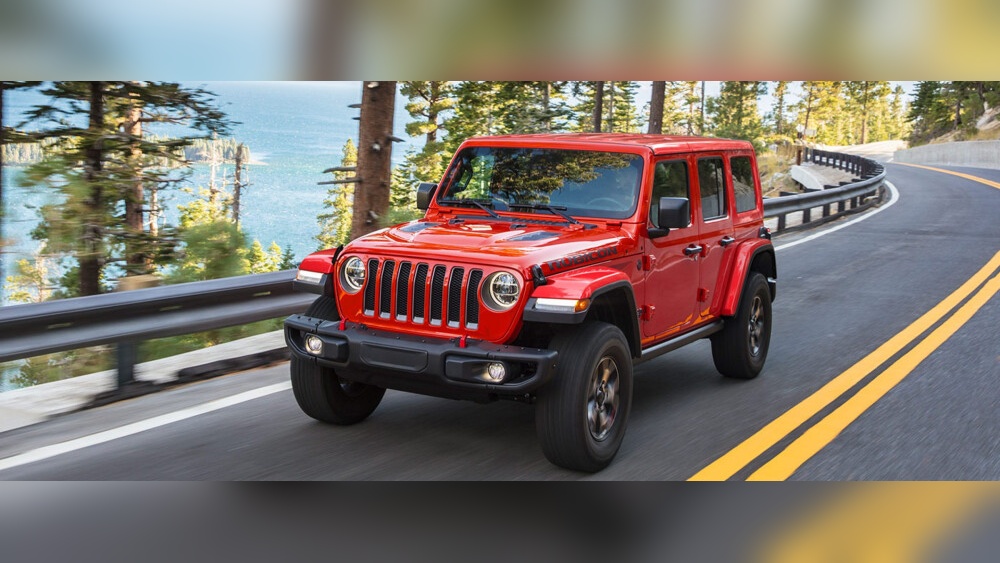
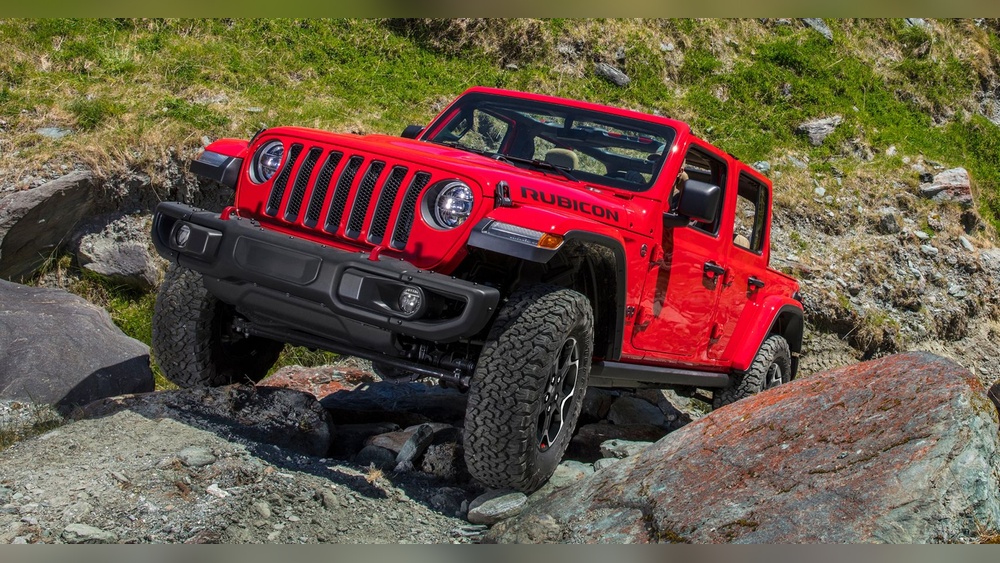
If your Jeep is making a whistling noise, it can be both annoying and concerning. Many drivers wonder if it's a minor issue or something more serious.
Understanding the cause is the first step to fixing the problem and keeping your Jeep in top shape. This article will help you identify where the whistling sound is coming from, what it means, and what you can do about it.
Common Reasons Your Jeep Makes A Whistling Noise
Whistling sounds can come from many parts of your vehicle. Here are the most frequent sources and what they might signal:
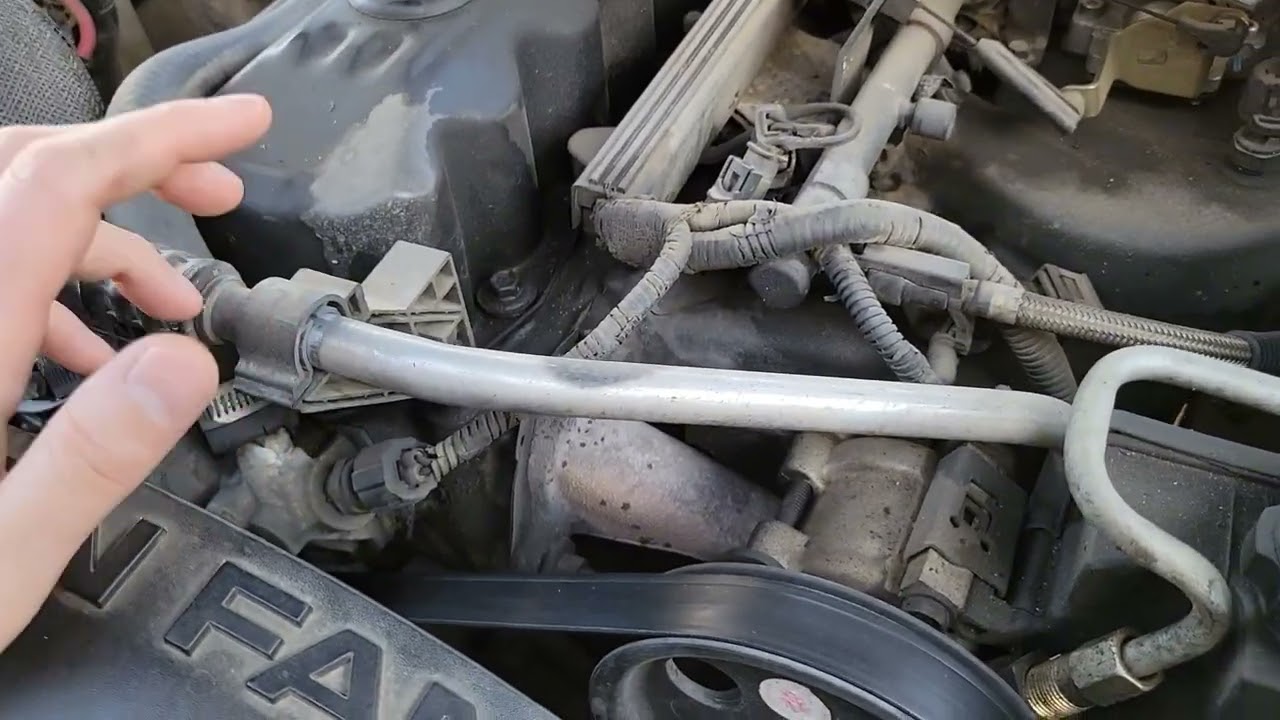
- Vacuum Leak: One of the most common reasons. Small holes or cracks in vacuum hoses let air escape, causing a whistle. This can affect your engine’s performance, fuel economy, and even cause a check engine light.
- Worn or Damaged Seals: If rubber seals around windows or doors are damaged, wind can slip through and create a whistling sound, especially at higher speeds.
- Faulty Serpentine Belt: A loose or worn serpentine belt can also make a high-pitched whistling or squealing noise. This belt drives important parts like the alternator and power steering.
- Intake or Exhaust Leak: Air escaping from the intake manifold or exhaust system can cause a whistle. Intake leaks can affect engine performance, while exhaust leaks may release dangerous gases.
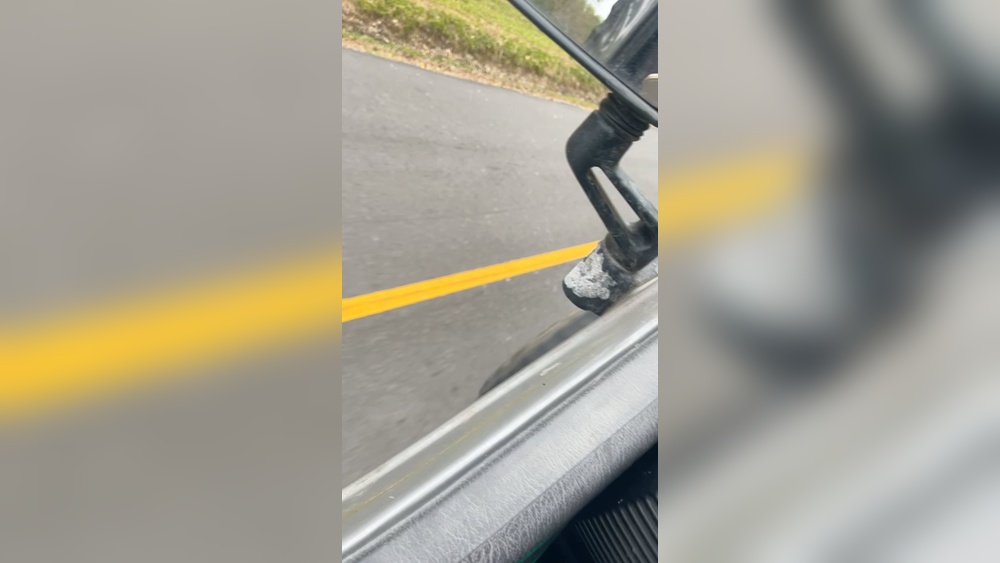
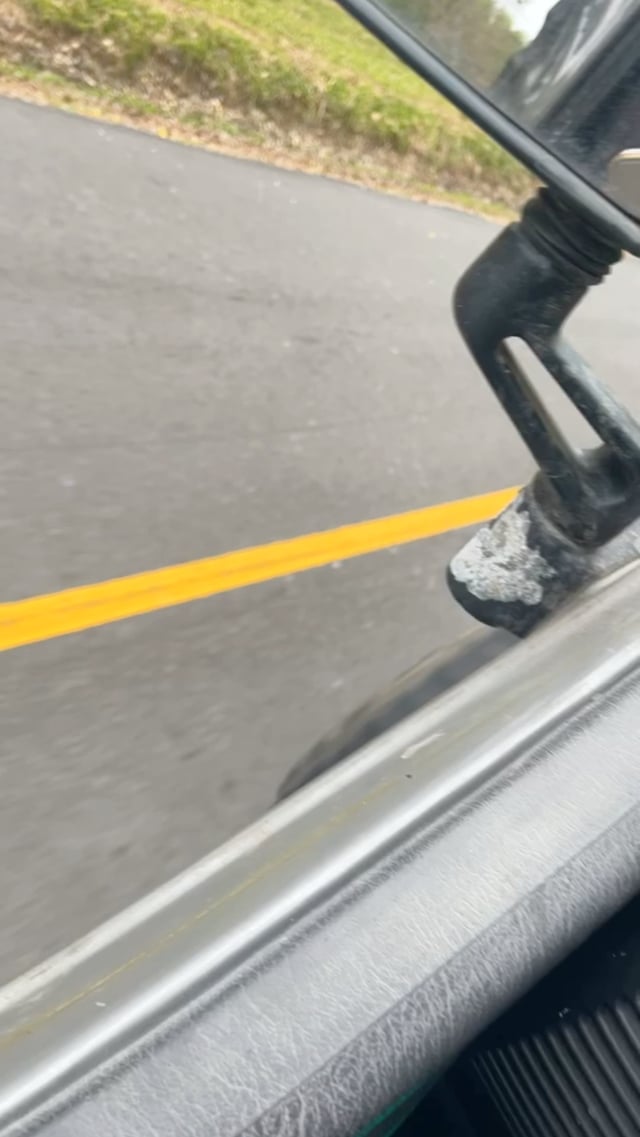
- Aftermarket Modifications: Changes like roof racks, light bars, or custom mirrors can alter how air moves around your Jeep, sometimes causing whistling noises at certain speeds.
- Brake Issues: If the whistling only happens when you brake, your brake pads may be worn out or have debris caught in them.
- Windshield or Body Gaps: Sometimes, body panels or windshields are not perfectly sealed after repairs, letting air pass through small gaps and cause whistling.
How To Diagnose The Whistling Noise
Pinpointing the exact cause saves time and money. Here’s how you can narrow it down:
| Noise Occurs When | Likely Cause |
|---|---|
| Accelerating | Vacuum leak, intake leak, or serpentine belt |
| Driving at high speed | Door/window seals, roof rack, body gaps |
| Braking | Brake pad wear, debris in brakes |
| Idle | Vacuum or intake leak |
- Listen closely. Is the whistle from the engine bay, under the car, or around the doors?
- Change driving conditions. Does it change when you speed up, slow down, or turn on the air conditioning?
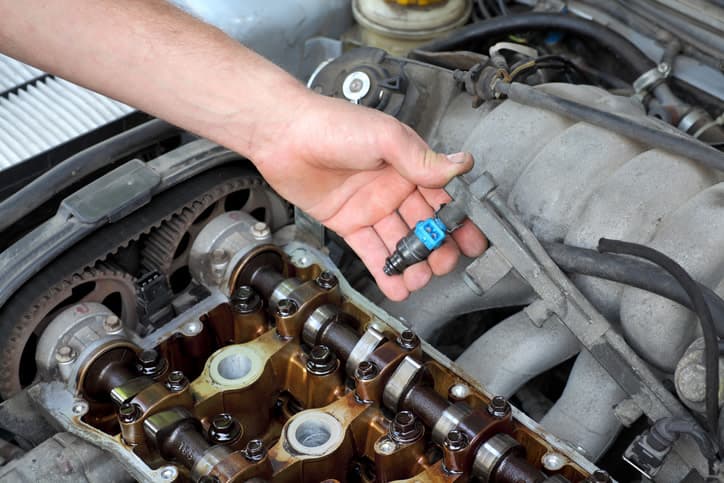
- Inspect visible parts. Look for cracks in hoses, worn seals, or loose parts.
Fixing The Whistling Sound
Once you know the source, you can take action. Here are the most common fixes:
- Replace vacuum hoses: If you find a cracked or loose hose, replace it. This is often cheap and quick.
- Repair or replace seals: Buy new door or window seals and install them if you find damage. This reduces wind noise and keeps water out.
- Serpentine belt service: If the belt is old or loose, replace or adjust it. An old belt can slip and create noise.
- Seal intake or exhaust leaks: A mechanic can repair leaks in the intake or exhaust systems. This is important for both noise and safety.
- Check aftermarket parts: Remove or adjust roof racks or other modifications to see if the noise disappears.
- Service brakes: If brake pads are worn, replace them. Clean out any debris if present.
- Seal body gaps: A professional can reseal the windshield or body panels.
Example: Diagnosing A Vacuum Leak
A Jeep Wrangler owner noticed a high-pitched whistle at idle and light acceleration. After inspecting the engine, they found a small crack in a vacuum hose near the intake. Replacing the hose stopped the noise and improved engine performance.
The Impact Of Ignoring Whistling Noises
Some drivers ignore whistling sounds, hoping they’ll go away. This can be risky. For example:
- Vacuum leaks can make your engine run poorly and reduce gas mileage.
- Exhaust leaks might allow harmful gases to enter the cabin.
- Worn belts can break, leaving you stranded.
- Water leaks from bad seals can cause rust or mold inside.
Fixing problems early prevents bigger, more expensive repairs later.
Pro Tips For Preventing Whistling Noises
Most whistling issues are preventable. Here’s how you can reduce the risk:
- Regular inspections: Check hoses, seals, and belts each oil change.
- Clean door seals: Dirt can make them wear faster.
- Install parts carefully: If you add roof racks or light bars, check for wind noise after installation.
- Use quality replacement parts: Cheap seals and hoses may not last.
| Prevention Step | Benefit |
|---|---|
| Check seals regularly | Prevents wind and water leaks |
| Replace worn belts early | Reduces risk of breakdowns |
| Inspect hoses at oil change | Finds leaks before they worsen |
Many Jeep owners miss that aftermarket upgrades—even small ones—can change airflow and cause noise. Another overlooked tip: a small amount of silicone lubricant on door seals can extend their life and reduce wind noise.
When To See A Mechanic
If you try these fixes and the noise continues, or if you notice other symptoms like poor engine performance, it’s time to visit a professional. Mechanics use smoke tests and listening tools to find hard-to-spot leaks.
Never ignore a whistle if it’s paired with warning lights or smells.
For more details on vehicle noises and safety, you can check the National Highway Traffic Safety Administration.
Taking care of small sounds now protects your Jeep and keeps your drives quiet and safe.
Frequently Asked Questions
Why Does My Jeep Whistle Only When Accelerating?
This often means a vacuum leak or an intake system leak. When you press the gas, extra air is pulled in, making the leak more noticeable.
Can A Roof Rack Really Cause Whistling?
Yes. Roof racks and light bars change how air flows over your Jeep. Wind can create a whistle if these parts are not installed tightly or have open gaps.
Is A Whistling Noise Dangerous?
Sometimes. If it’s from the engine or exhaust, it may signal serious problems like leaks or failing belts. If it’s just from a door seal, it’s less urgent but still worth fixing.
How Much Does It Cost To Fix A Whistling Noise?
Costs vary. Replacing a vacuum hose can be under $50. Fixing window seals may cost $100–$300. Complex intake or exhaust leaks could cost more.
Will The Whistling Go Away By Itself?
Rarely. Most causes of whistling need a repair or adjustment. Ignoring it can lead to bigger issues over time.
A whistling noise from your Jeep doesn’t have to be a mystery. With careful listening and inspection, you can often find and fix the problem before it becomes serious. Don’t ignore new sounds your Jeep, and your wallet, will thank you.