If you own a Jeep or plan to buy one, you may wonder: what type of oil does a Jeep take? Choosing the right oil is important for your engine’s health and performance.
Wrong oil can cause engine wear, poor fuel economy, and even expensive repairs. But oil selection is not always straightforward.
Different Jeep models need different oils, and even climate can affect your choice. This guide helps you understand oil types for Jeeps, how to choose the best one, and how to avoid common mistakes.
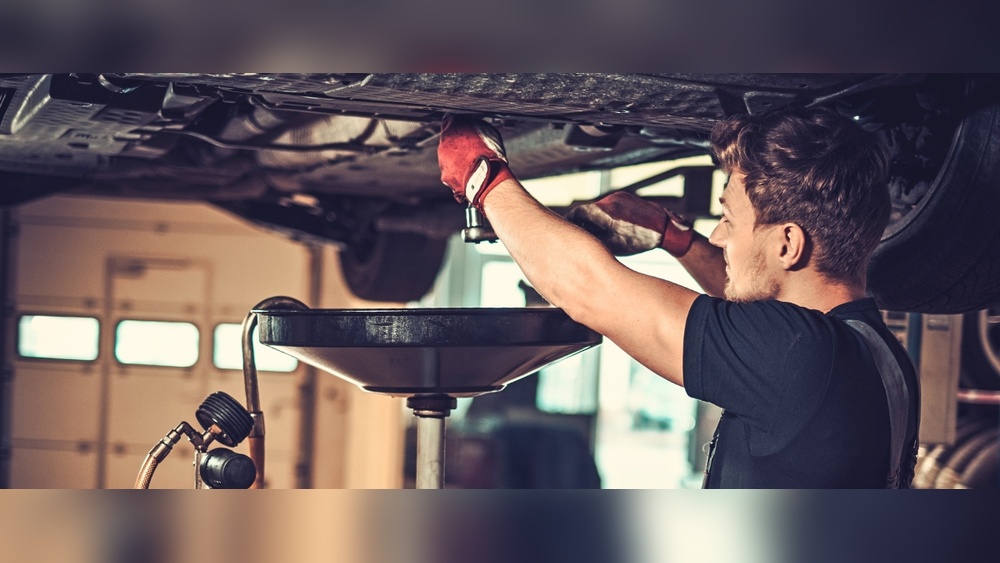
Understanding Jeep Engine Oil Types
Most Jeeps use motor oil that falls into three main categories: conventional, synthetic, and synthetic blend. Each type offers unique benefits.
- Conventional oil: Made from natural crude oil. It’s cheaper, but breaks down faster and may not protect as well in extreme temperatures.
- Synthetic oil: Chemically engineered for better performance. It flows well in cold, resists heat, and lasts longer. Ideal for newer Jeeps and harsh driving conditions.
- Synthetic blend: Combines both types. Offers some benefits of synthetic at a lower price.
Most modern Jeeps recommend synthetic oil, but older models may run fine with conventional. Always check your owner’s manual before switching types.
| Oil Type | Best For | Price Range | Change Interval |
|---|---|---|---|
| Conventional | Older Jeep models | $20–$35 | 3,000–5,000 miles |
| Synthetic | Newer Jeep models | $45–$70 | 7,500–10,000 miles |
| Synthetic Blend | Mixed usage | $30–$50 | 5,000–7,500 miles |
Jeep Oil Viscosity Explained
Another key factor is oil viscosity. Viscosity is how thick or thin the oil is. Jeep engines usually require “multi-grade” oils, such as 5W-20 or 0W-20. The numbers describe how the oil flows in cold and hot conditions.
- The first number (like “5W”) shows how oil flows when cold.
- The second number (like “20”) shows performance when hot.
Cold climates need lower first numbers (0W or 5W) so oil flows easily at startup. Hot climates and heavy-duty driving need higher second numbers (20, 30, or 40) for better protection.
Common Jeep Oil Grades
| Jeep Model | Recommended Oil Grade | Engine Type |
|---|---|---|
| Wrangler (2023) | 0W-20 Synthetic | 3.6L V6 |
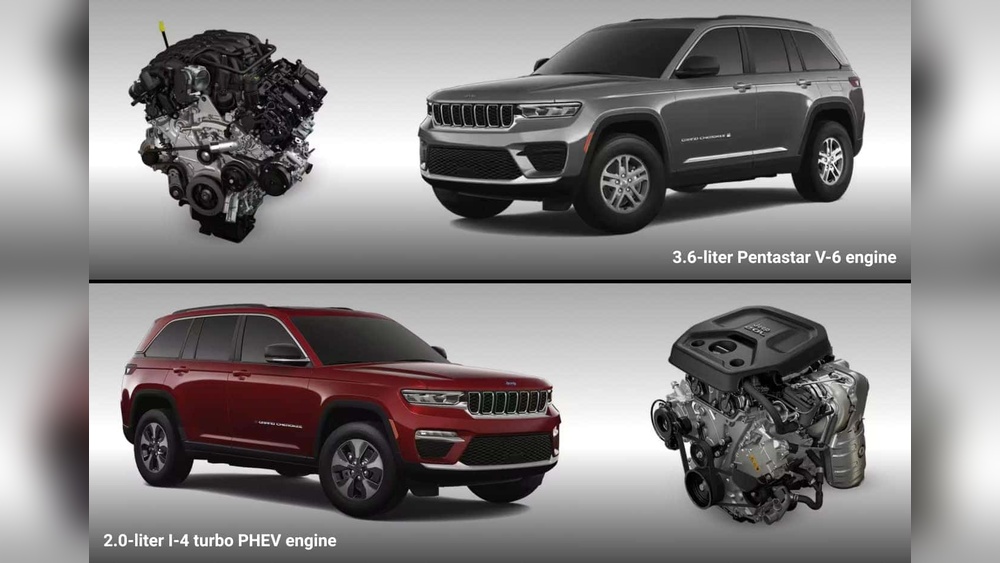
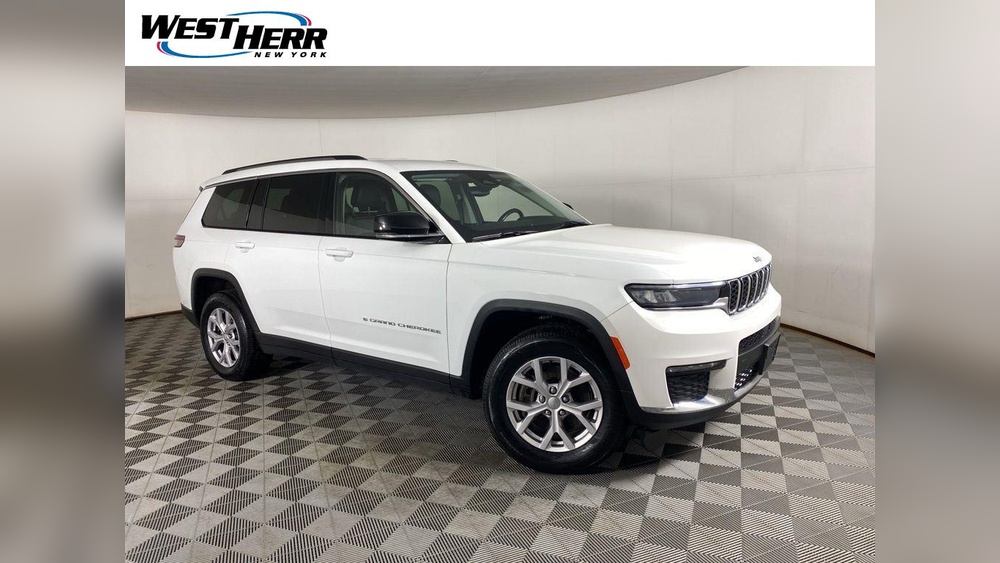
| Grand Cherokee (2023) | 5W-20 Synthetic | 3.6L V6 |
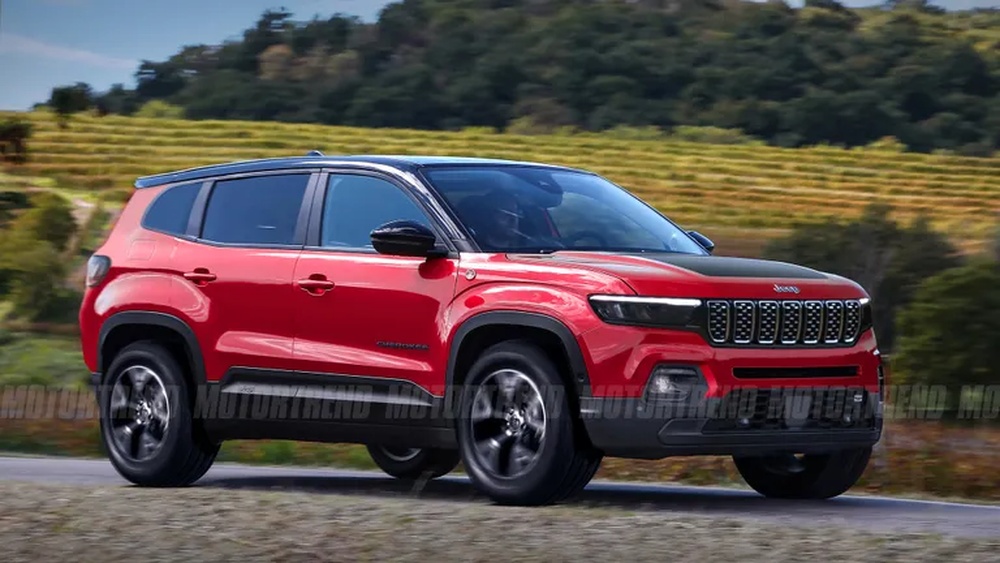
| Compass (2023) | 5W-20 Synthetic | 2.4L I4 |
| Gladiator (2023) | 0W-20 Synthetic | 3.6L V6 |
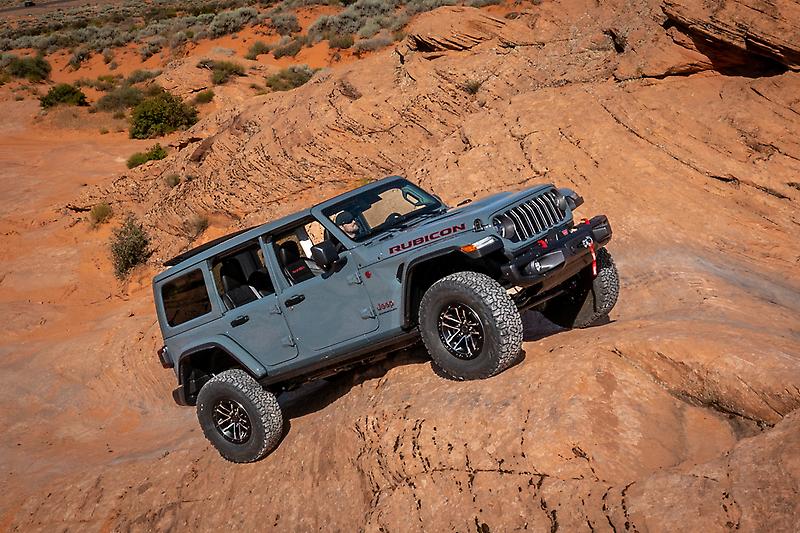
How To Choose The Right Oil For Your Jeep
Choosing oil is not just about model and engine. Consider these practical steps:
- Check your owner’s manual. Jeep provides exact recommendations, including oil grade and type.
- Consider your climate. Cold winters? Go with a lower “W” number. Hot summers or heavy towing? Higher second number is safer.
- Think about driving style. Off-roading or city traffic causes more engine stress, so synthetic oil is better.
- Look for API certification. Oils with the API starburst meet strict quality standards.
Here’s a quick comparison of two popular Jeep oils:
| Brand | Type | Viscosity | Features |
|---|---|---|---|
| Pennzoil Ultra Platinum | Synthetic | 0W-20 | Great for new Jeeps, excellent cold start |
| Valvoline Advanced | Synthetic | 5W-20 | Good for older models, strong engine protection |
Jeep Oil Change Intervals
Oil does not last forever. Most Jeep owners should change oil every 7,500–10,000 miles if using synthetic oil. If you use conventional oil, change it every 3,000–5,000 miles. Off-roading, towing, or extreme climates? Change oil more often.
Some newer Jeeps have oil life monitors. These systems track your driving and alert you when it’s time for an oil change. But don’t ignore traditional checks—look for dirty oil and low levels.
Common Mistakes Jeep Owners Make
Many Jeep owners make simple mistakes that harm their engines:
- Using the wrong oil grade. This can cause engine noise and wear.
- Ignoring oil change intervals. Old oil loses its protective properties.
- Mixing oil types. Never mix synthetic and conventional in the same engine.
- Skipping oil filter changes. Always change the filter with the oil.
One less obvious mistake is using cheap oil. Low-quality oils may not meet Jeep’s standards and can break down quickly. Another common issue is forgetting to check oil levels between changes. Even with the right oil, low levels can damage your engine.
Practical Tips For Jeep Oil Maintenance
- Keep a log of oil changes. Write down the date and mileage to avoid forgetting.
- Buy oil in advance. Having extra oil and filters saves time and stress, especially for off-road trips.
- Inspect for leaks. Look under your Jeep for oil spots. Leaks can cause fast oil loss and engine damage.
- Warm up the engine before checking the oil. This gives a more accurate reading.
If you ever feel unsure, consult your Jeep dealer or a trusted mechanic. Quality advice is better than guessing.
For more detailed information on oil standards and recommendations, visit the Jeep Official Owner’s Manual.
Frequently Asked Questions
What Happens If I Use The Wrong Oil In My Jeep?
Using incorrect oil can cause engine noise, reduced efficiency, and long-term damage. It may also void your Jeep’s warranty. Always check your manual and use the recommended oil.
Can I Switch Between Conventional And Synthetic Oil?
Yes, you can switch, but do it during an oil change with a new filter. Never mix types in the same engine. Synthetic oil provides better protection for most Jeeps.
How Often Should I Check My Jeep’s Oil Level?
Check your oil at least once a month or before long trips. Low oil levels can cause engine problems, even if you change oil regularly.
Does Jeep Recommend Any Specific Oil Brand?
Jeep does not require a brand, but recommends oils meeting API standards. Popular brands like Pennzoil, Valvoline, and Mobil 1 work well if you follow the right viscosity.
What Is The Best Oil For Off-roading?
For off-roading, use full synthetic oil with Jeep’s recommended viscosity. It protects better against heat and dirt, and lasts longer under tough conditions.
Choosing the right oil for your Jeep is simple if you follow the manufacturer’s guidelines and consider your driving environment. Good oil choices can keep your engine running smoothly for years. If in doubt, seek expert advice and check your manual.
Your Jeep deserves the best care.