Is The Jeep Renegade Good Off Road
For many drivers, the idea of owning a Jeep means adventure, tough terrain, and freedom. The Jeep Renegade stands out in the compact SUV segment, but does it truly deliver off-road performance?
If you’re considering this model for trails, mud, or rocky roads, it’s smart to look deeper. Let’s explore the Renegade’s strengths, weaknesses, and real-world capabilities so you can decide if it’s a genuine off-road contender.
Off-road Features Of The Jeep Renegade
The Renegade comes in several trims, but not all are built for rugged use. The Trailhawk trim is the most recognized for its off-road focus. Here are some features that help the Renegade tackle tough environments:
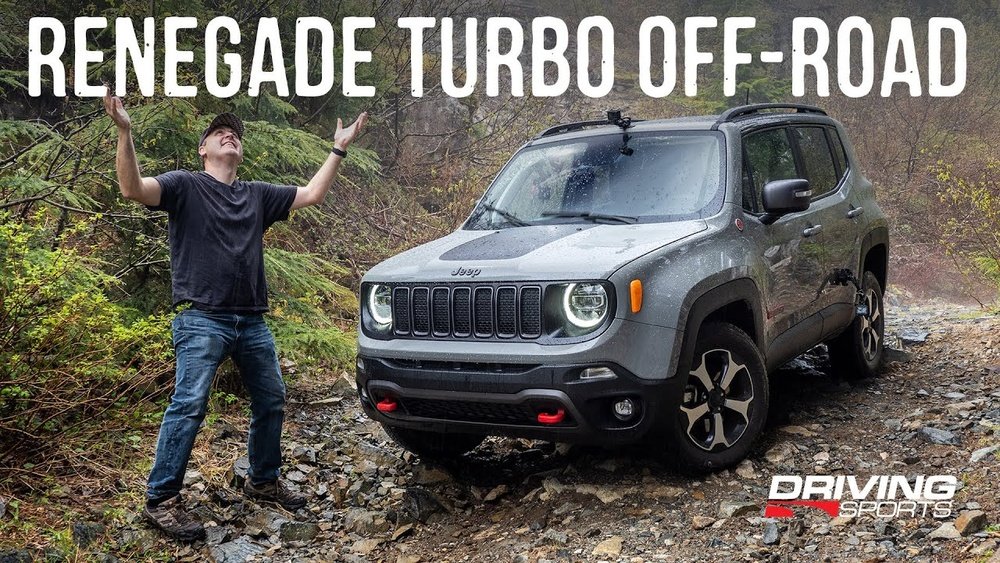
- Active Drive Low 4×4 System: This system offers a 20:1 crawl ratio, useful for steep climbs and slow descents.
- Selec-Terrain System: Allows drivers to choose modes for Snow, Sand, Mud, and Rock conditions.
- Skid Plates: Protect the underbody from rocks and debris.
- Tow Hooks: Useful for recovery situations.
- Hill Descent Control: Helps keep speed steady on steep slopes.
- Ground Clearance: The Trailhawk offers 8.7 inches, which is above average for compact SUVs.
Let’s compare the Trailhawk with other Renegade trims:
| Feature | Trailhawk | Latitude | Sport |
|---|---|---|---|
| 4×4 System | Active Drive Low | Active Drive | Active Drive |
| Ground Clearance | 8.7 in | 7.9 in | 7.9 in |
| Skid Plates | Yes | No | No |
| Tow Hooks | Yes | No | No |
| Selec-Terrain | 4 Modes | 3 Modes | 3 Modes |
Trailhawk stands out with its true off-road kit, while other trims are more suited for light trails and regular roads.
Real-world Performance
Data and reviews give mixed signals about the Renegade’s off-road abilities. Let’s look at how it performs in different conditions:
Dirt And Gravel
The Renegade’s all-wheel drive handles dirt and gravel roads well. Most trims offer good grip and stability. The Trailhawk, with its extra clearance and stronger tires, does even better. However, the ride can feel a bit stiff on bumpy surfaces.
Mud And Sand
The Selec-Terrain System helps the Renegade adapt to mud and sand. Trailhawk’s tires and drivetrain manage moderate mud easily. For deep mud or soft sand, the Renegade can struggle compared to bigger SUVs.
Rocks And Steep Trails
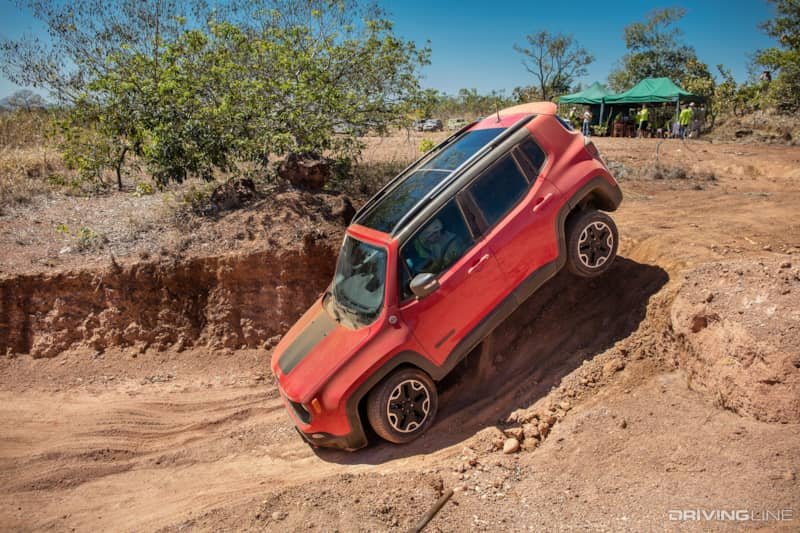
With 8.7 inches of ground clearance and skid plates, the Trailhawk can cross small rocks and mild trails. Still, its wheelbase and approach angles are less aggressive than models like the Wrangler. For serious rock crawling, the Renegade is limited.
Here’s a quick comparison with two popular off-road models:
| Model | Ground Clearance | Approach Angle | Departure Angle | Crawl Ratio |
|---|---|---|---|---|
| Renegade Trailhawk | 8.7 in | 30.5° | 34.3° | 20:1 |
| Wrangler Rubicon | 10.8 in | 43.9° | 37.1° | 77:1 |
| Subaru Crosstrek | 8.7 in | 18° | 28.6° | N/A |
The Renegade Trailhawk is better than most small SUVs but does not match the Wrangler in extreme conditions.
What Beginners Often Miss
Many new buyers focus only on ground clearance or 4×4 badges. But there are other important points:
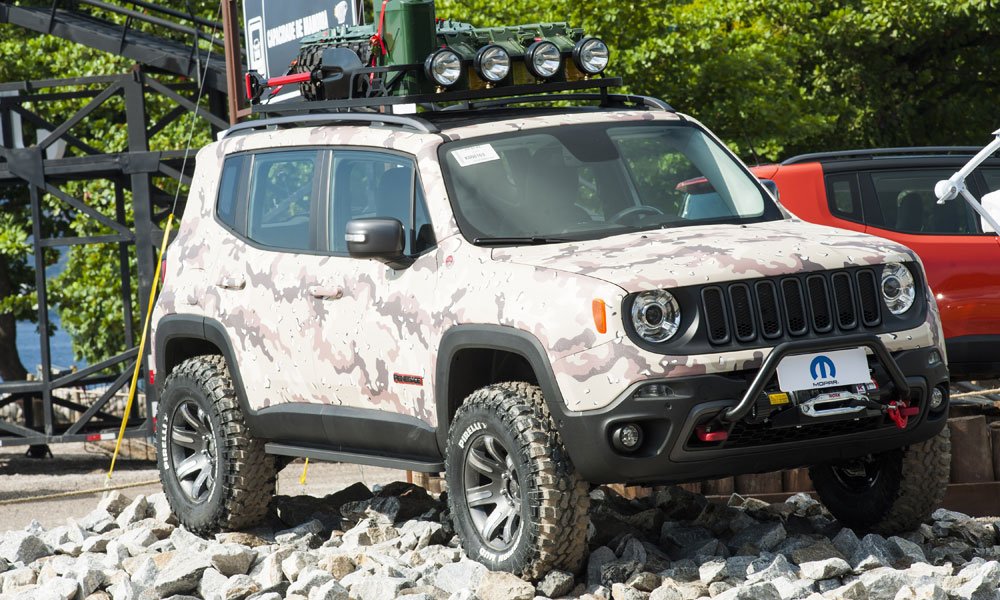
- Tire Type Matters: Stock tires on most Renegades are not true off-road tires. Upgrading to all-terrain tires makes a big difference.
- Weight and Size: The Renegade is lighter and smaller than traditional off-road Jeeps. This helps in tight spots but limits stability on rough ground.
- Electronic Systems: Features like traction control and hill descent are helpful, but they can’t replace mechanical locking differentials.
Common Buyer Mistakes
- Assuming all Renegades are equal: Only the Trailhawk is built for serious off-road use.
- Ignoring tire upgrades: Regular tires can get stuck in mud or sand easily.
- Overestimating abilities: The Renegade is not designed for deep water crossings or heavy rock crawling.
- Forgetting recovery gear: Always carry basic recovery tools and know how to use them.
Pros And Cons For Off-road Use
Let’s break down the main advantages and disadvantages:
Pros
- Compact size for narrow trails
- Good ground clearance (Trailhawk)
- Useful electronic aids
- Affordable compared to bigger off-road SUVs
Cons
- Limited crawl ratio vs. true off-roaders
- Stock tires not ideal for rugged terrain
- Lower approach and departure angles than Wrangler
- Some trims lack key off-road features
Practical Advice For Buyers
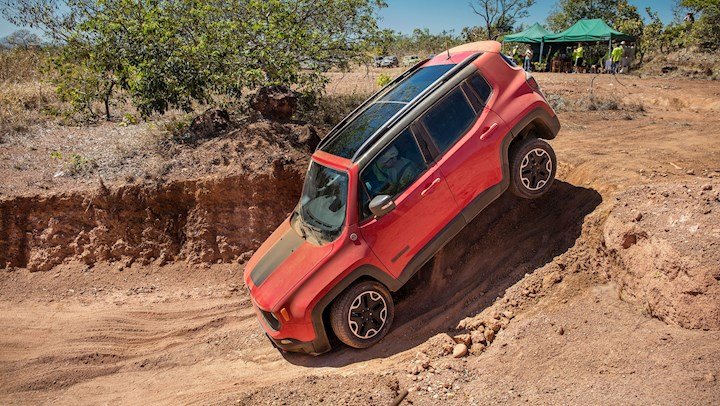
If your main goal is weekend adventures, light trails, and camping trips, the Renegade Trailhawk is a solid choice. It’s comfortable for daily driving, handles moderate off-road challenges, and is easier to park and maneuver than bigger SUVs.
For heavy off-road use (deep mud, steep rocks, tough weather), you may want to look at models like the Wrangler or Toyota 4Runner. Always test drive on the type of terrain you plan to explore.
For more technical details and real owner reviews, visit the official Jeep site: Jeep Renegade Official Site.
Frequently Asked Questions
Is The Jeep Renegade Trailhawk The Only Off-road Model?
Yes, the Trailhawk trim is the only Renegade with full off-road features like skid plates, tow hooks, and advanced 4×4 systems. Other trims are better for city and highway driving.
How Does The Renegade Compare To The Jeep Wrangler Off-road?
The Wrangler is much more capable for extreme off-road use. It has higher ground clearance, better approach angles, and stronger drivetrain options. The Renegade is suitable for light to moderate trails.
Can I Upgrade My Renegade For Better Off-road Performance?
Yes. Upgrading to all-terrain tires, adding lift kits, and installing recovery gear can improve performance. However, the basic design limits how much you can upgrade.
Is The Renegade Good For Snowy Conditions?
The Renegade’s 4×4 system and Selec-Terrain Snow Mode handle winter roads well. It’s a good choice for areas with regular snow, especially with proper tires.
Does The Jeep Renegade Have Locking Differentials?
No, the Renegade uses electronic aids for traction but does not have mechanical locking differentials. This limits its ability in very rough terrain.
The Jeep Renegade Trailhawk offers a balanced mix of city comfort and light off-road ability. For drivers who want a small SUV that can handle trails and mild adventures, it’s a smart choice.
However, for serious off-roading, bigger and more specialized vehicles are better.
Always match your Jeep to your adventure needs, and enjoy exploring the road less traveled.