The 2015 Jeep Grand Cherokee SRT is a powerful SUV with a reputation for speed and performance. Many car fans ask: Is the 2015 Jeep SRT supercharged? The answer is important for anyone thinking about buying or understanding this model. Let’s explore the facts, features, and what makes this vehicle stand out.
Engine And Performance
The heart of the 2015 Jeep SRT is its 6.4-liter HEMI V8 engine. This engine produces an impressive 475 horsepower and 470 lb-ft of torque. With this power, the SRT can accelerate from 0 to 60 mph in about 4.8 seconds—quick for a large SUV. The exhaust note is loud and distinctive, often turning heads when you drive by. The engine is paired with a responsive 8-speed automatic transmission, which helps make acceleration feel smooth and strong at almost any speed.
However, it’s important to note: the 2015 Jeep SRT is NOT supercharged. It uses a naturally aspirated engine. Supercharging means forcing more air into the engine with a special device, which boosts power. The SRT relies on its large engine size and modern design for its performance. The naturally aspirated setup provides a more direct connection between the driver’s input and the engine’s response. You feel the power build smoothly as you press the gas pedal, without the sudden surge that comes from a supercharger.
Supercharged Vs. Naturally Aspirated
To help understand the difference, see the comparison below:
| Feature | Supercharged Engine | Naturally Aspirated Engine |
|---|---|---|
| Power Delivery | Instant, high | Smooth, linear |
| Fuel Efficiency | Lower | Higher |
| Maintenance | More complex | Simpler |
| Sound | Whine | Deep rumble |
Most supercharged SUVs in 2015 were rare. The SRT stands out for using a large engine to reach high power without forced induction. This also means fewer parts that could break down over time, which is a benefit for long-term ownership.
Many drivers prefer the feel and sound of a naturally aspirated V8 because of its classic “muscle car” character.
Key Features And Specs
The 2015 Jeep SRT is more than just fast. It offers a mix of luxury, technology, and practicality. Here are some highlights:
- All-wheel drive: Good grip in all conditions. This system helps the SRT handle wet or snowy roads with more confidence than most performance SUVs.
- 8-speed automatic transmission: Smooth and responsive shifting. Paddle shifters behind the steering wheel let you take control when you want a sportier feel.
- Brembo brakes: Strong stopping power. These brakes are larger and more advanced than the standard Grand Cherokee, offering better safety at high speeds.
- 20-inch wheels: Sporty style and stable handling. The wide tires provide extra grip and a bold look.
- Adaptive suspension: Comfortable or sporty, based on settings. You can switch between modes for a softer ride or firmer handling.
- Launch control: Helps with quick starts. This feature is rare in SUVs and makes it easy to get maximum acceleration from a stop.
Inside, you’ll find:
- Leather and suede seats: These offer both comfort and support, especially during spirited driving.
- Uconnect infotainment system: Easy to use with a large touchscreen and clear menus.
- Navigation: Built-in maps help you find your way without needing your phone.
- Premium audio system: Delivers rich sound for music lovers.
The SRT is a family SUV that can compete with some sports cars on the road. Plus, it has ample cargo space and rear seat room, making it practical for daily use or long trips.
Srt Vs. Trackhawk
In 2018, Jeep released the Grand Cherokee Trackhawk with a supercharged engine. The Trackhawk’s 6.2-liter supercharged V8 makes 707 horsepower. If you want a supercharged Jeep, the Trackhawk is the model to look at—not the 2015 SRT. The Trackhawk is in a different league for straight-line speed, but it also costs much more and uses more fuel.
| Model | Engine | Horsepower | 0-60 mph |
|---|---|---|---|
| 2015 Jeep SRT | 6.4L V8 | 475 hp | 4.8 sec |
| 2018 Trackhawk | 6.2L Supercharged V8 | 707 hp | 3.5 sec |
This table shows the clear difference. The SRT is strong, but not supercharged. For most drivers, the SRT’s power is more than enough for daily use, while the Trackhawk is built for extreme performance.
Real-world Driving Experience
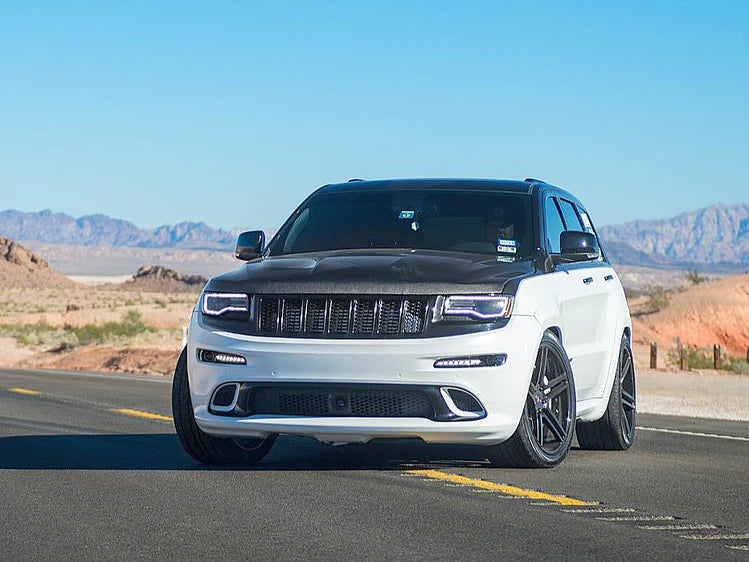
Owners say the SRT feels fast and stable. The engine’s deep roar adds excitement. Handling is sharp for an SUV, thanks to its adaptive suspension. It’s comfortable for long trips, but still fun to drive on winding roads. You can drive it every day without feeling like you’re in a race car, but the performance is always there when you want it.
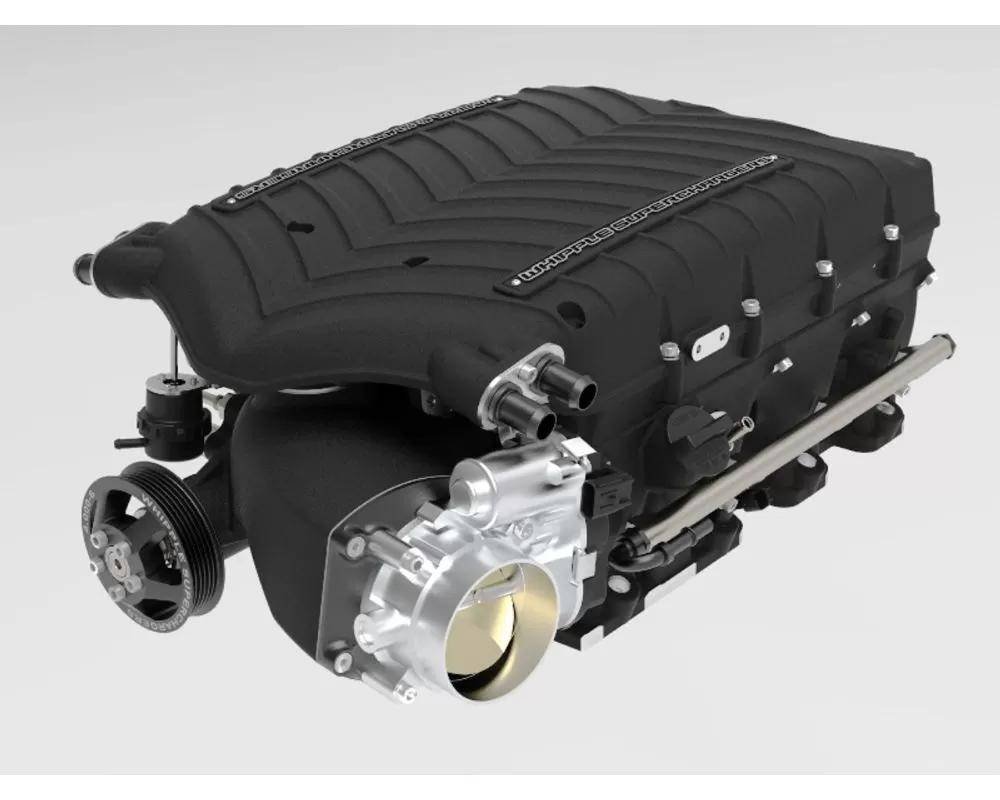
Fuel economy is not the best, with an average of 13 mpg city and 19 mpg highway. This is expected for a high-performance V8. Maintenance is similar to other large SUVs. Some owners add aftermarket superchargers, but this changes the original setup and can affect reliability.
One thing that surprises new owners is how well the SRT balances performance with comfort. The seats are supportive for spirited driving, but not too firm for long journeys. The sound system and quiet cabin also make it a pleasant place to spend time.
Another detail that stands out is the excellent visibility from the driver’s seat, which is not always the case in high-performance vehicles.
Common Misunderstandings
- SRT and Supercharged: Many people think SRT means supercharged. In reality, SRT stands for Street & Racing Technology. It shows performance, not supercharging. This is a common mix-up, especially as some other brands use supercharging for their top models.
- Aftermarket Upgrades: Some SRTs are supercharged by owners. These are not factory models and may have different performance or reliability. Adding a supercharger can increase power, but it also puts extra stress on the engine and may void the warranty.
A less obvious misunderstanding is thinking the SRT is only about speed. In reality, it’s also about everyday usability comfortable for family and practical for shopping or travel.
Value And Buying Advice
The 2015 Jeep SRT is a good choice if you want a high-performance SUV without the extra complexity of a supercharger. Prices for used SRTs range from $35,000 to $50,000, depending on mileage and condition. Lower-mileage, well-cared-for examples command higher prices, especially if they have a full service history.
Look for:
- Service history: Regular oil changes, brake service, and transmission fluid changes are signs of a well-maintained SRT.
- No aftermarket modifications: Stock vehicles tend to be more reliable and hold their value better.
- Well-maintained brakes and tires: These wear faster on performance SUVs, so check for recent replacements.
Avoid common mistakes:
- Thinking all SRTs are supercharged
- Ignoring maintenance records
- Overpaying for heavily modified vehicles
Compare the SRT to other performance SUVs for price, features, and reliability. For example, German rivals like the BMW X5 M and Mercedes-AMG GLE63 offer more horsepower but can be more expensive to maintain.
The SRT is less costly to repair and has a unique American style.
| Vehicle | Engine | Horsepower | Price (Used) |
|---|---|---|---|
| 2015 Jeep SRT | 6.4L V8 | 475 hp | $35,000-$50,000 |
| BMW X5 M | 4.4L Turbo V8 | 567 hp | $40,000-$55,000 |
| Mercedes-AMG GLE63 | 5.5L Turbo V8 | 577 hp | $45,000-$60,000 |
The SRT offers American muscle in an SUV package, but is not supercharged. It can be a better fit for drivers who want strong performance and easier long-term ownership.
Frequently Asked Questions
Is The 2015 Jeep Srt Supercharged From The Factory?
No, the 2015 Jeep SRT uses a naturally aspirated 6.4-liter V8. It is not supercharged from the factory.
How Fast Is The 2015 Jeep Srt?
It can go from 0 to 60 mph in about 4.8 seconds, which is fast for an SUV of its size.
Can You Add A Supercharger To The Srt?
Yes, some owners install aftermarket superchargers. This changes the engine’s power, but may affect reliability and warranty.
What Is Srt?
SRT stands for Street & Racing Technology. It marks high-performance models, but does not mean the vehicle is supercharged.
How Does The 2015 Srt Compare To The Trackhawk?
The Trackhawk is supercharged and much more powerful, with 707 horsepower. The SRT has 475 horsepower and is naturally aspirated.
The 2015 Jeep SRT delivers strong performance, luxury, and fun without a supercharger. It’s a smart choice for those who want muscle in an SUV, but not the extra complexity of forced induction. If you want supercharged power, look at the Trackhawk or other models. For most drivers, the SRT is more than enough. For more details and official specs, visit the Jeep Grand Cherokee Wikipedia page.