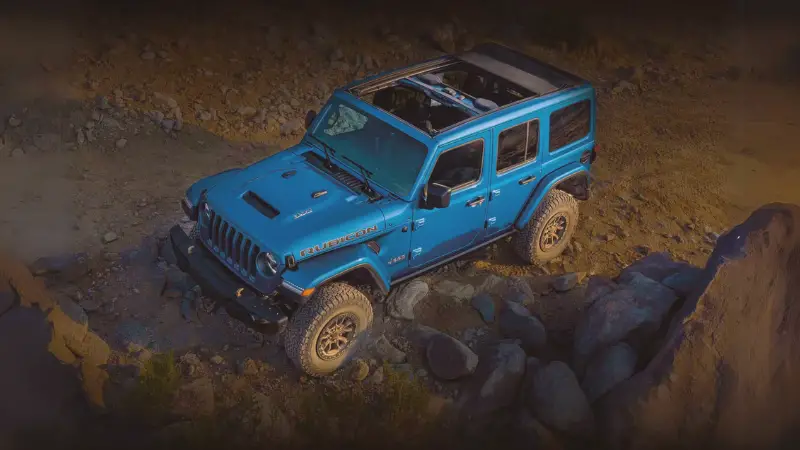
The 1997 Jeep Grand Cherokee is a classic SUV, valued for its strong build and off-road ability. One of its most important parts is the transmission. The transmission connects the engine to the wheels and controls how power is delivered, making it essential for performance and reliability. Many owners of the ’97 Grand Cherokee want to know about the transmission parts, common issues, and maintenance needs. This article breaks down all 97 components linked to the 1997 Jeep Grand Cherokee transmission, offering clear details and practical guidance for owners and enthusiasts.
97 Transmission Parts And Features
Below are the 97 parts, sensors, connectors, and features found in the 1997 Jeep Grand Cherokee transmission system. Each item is explained briefly to help you understand its role and importance.
- Transmission case: Holds all internal parts and protects them.
- Torque converter: Transfers engine power to the transmission.
- Transmission fluid pump: Moves fluid to lubricate and cool parts.
- Input shaft: Connects the engine to the transmission.
- Output shaft: Sends power to the drive shaft.
- Valve body: Directs fluid to control shifting.
- Shift solenoid A: Controls gear changes electronically.
- Shift solenoid B: Works with solenoid A for precise shifts.
- Shift solenoid C: Further fine-tunes gear selection.
- Overdrive solenoid: Enables overdrive gear.
- Reverse solenoid: Activates reverse gear.
- TCC solenoid: Controls torque converter lockup.
- Governor pressure solenoid: Manages hydraulic pressure.
- Governor pressure sensor: Measures transmission pressure.
- Transmission fluid filter: Removes debris from fluid.
- Transmission pan: Holds fluid and provides access.
- Pan gasket: Seals the pan to prevent leaks.
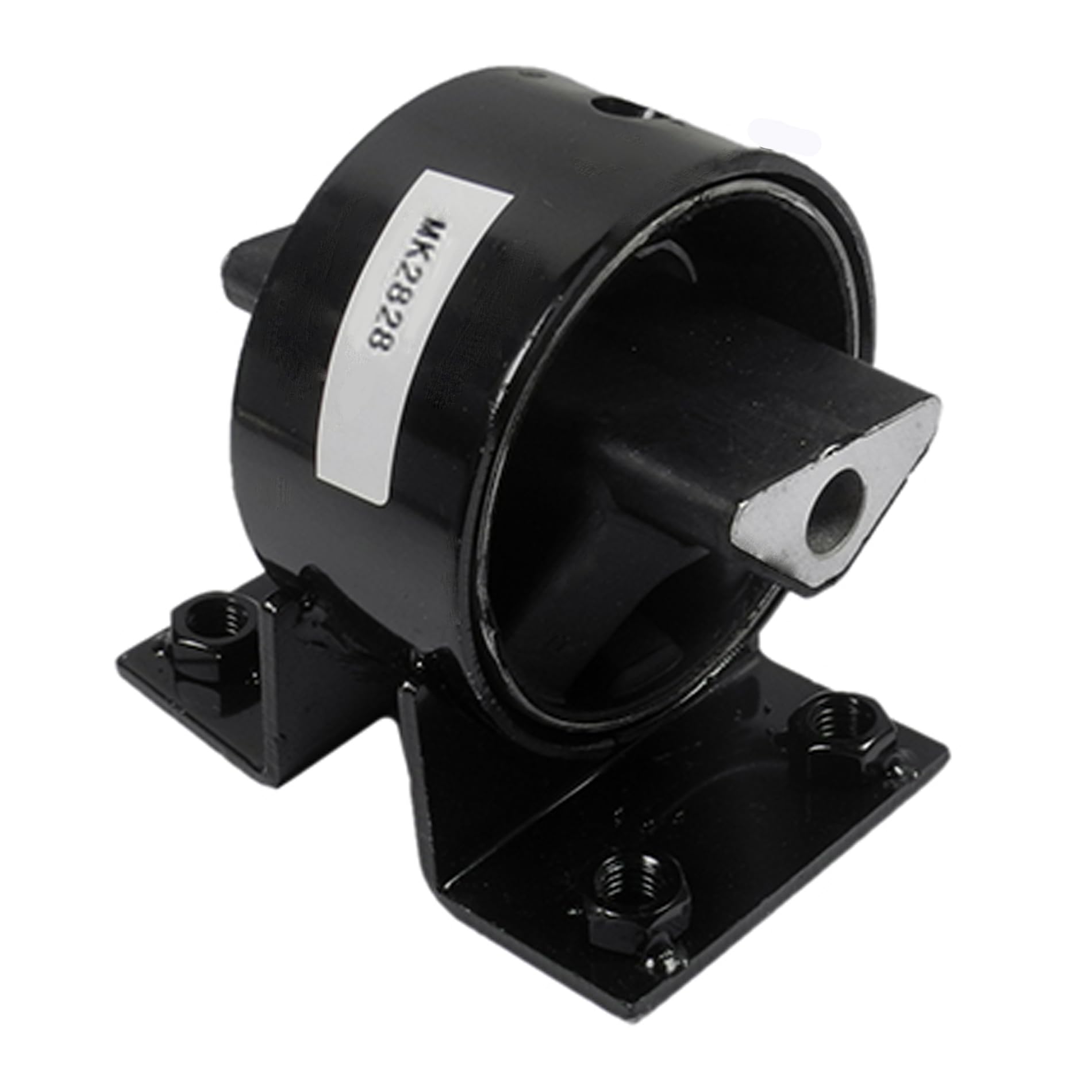
- Transmission mount: Supports and reduces vibrations.
- Transmission crossmember: Connects transmission to frame.
- Transmission cooler: Prevents overheating.
- Cooler lines: Moves fluid to and from cooler.
- Speed sensor: Measures vehicle speed.
- Output speed sensor: Monitors output shaft speed.
- Input speed sensor: Tracks input shaft speed.
- Transmission control module (TCM): Manages electronic functions.
- Neutral safety switch: Prevents starting in gear.
- Reverse light switch: Turns on reverse lights.
- Kickdown cable: Helps downshift for passing power.
- Shift linkage: Connects shifter to transmission.
- Shift lever: Allows manual gear selection.
- Gear selector cable: Moves the gear selector.
- Park pawl: Locks the transmission in park.
- Parking gear: Works with park pawl.
- Clutch packs: Allow smooth gear engagement.
- Bands: Help hold gears in place.
- Planetary gear set: Provides multiple gear ratios.
- Sun gear: Part of planetary gear set.
- Ring gear: Surrounds sun gear.
- Pinion gears: Rotate inside planetary set.
- Sprag clutch: Allows one-way rotation.
- One-way clutch: Similar to sprag clutch.
- Front pump seal: Prevents fluid leaks.
- Rear pump seal: Seals back end of pump.
- Output shaft seal: Stops fluid leaks at output.
- Input shaft seal: Seals input shaft.
- Sealing rings: Prevent internal leaks.
- O-rings: Seal various transmission parts.
- Snap rings: Hold components in place.
- Thrust washers: Reduce friction between parts.
- Bushings: Provide smooth movement.
- Bearings: Reduce friction and wear.
- Bellhousing: Connects transmission to engine.
- Bellhousing bolts: Secure bellhousing.
- Flexplate: Links engine to torque converter.
- Flexplate bolts: Attach flexplate.
- Dipstick: Checks fluid level.
- Dipstick tube: Guides dipstick.
- Drain plug: Allows fluid removal.
- Transmission fluid: Lubricates and cools.
- Fluid additives: Improve fluid performance.
- Transmission cooler thermostat: Controls cooling.
- Transmission cooler bypass valve: Directs fluid flow.
- Transmission cooler fittings: Connects lines.
- Transmission vent: Releases air and prevents pressure.
- Transmission breather hose: Removes excess pressure.
- Electrical connector: Links sensors and solenoids.
- Wiring harness: Bundles wires for electrical parts.
- Fuse: Protects electrical system.
- Relay: Controls electrical flow.
- Ground wire: Prevents electrical shorts.
- PCM (Powertrain Control Module): Works with TCM.
- Transmission shift indicator: Shows current gear.
- Transmission warning light: Alerts to problems.
- Transmission temperature sensor: Monitors temperature.
- Transmission range sensor: Detects gear position.
- Transmission control relay: Activates transmission functions.
- Transmission fluid pressure sensor: Measures fluid pressure.
- Transmission fluid level sensor: Monitors fluid amount.
- Transmission fluid temperature sensor: Ensures safe temperature.
- Transmission fluid flow sensor: Checks fluid movement.
- Transmission solenoid pack: Group of solenoids.
- Transmission filter housing: Holds the filter.
- Transmission case bolts: Secure the case.
- Transmission pan bolts: Attach pan to case.
- Transmission mount bolts: Secure mounts.
- Transmission shifter bezel: Decorative cover.
- Transmission shifter boot: Protects shifter area.
- Transmission shift cable bracket: Holds cable in place.
- Transmission shift cable clips: Secure cable.
- Transmission fluid cooler bracket: Mounts cooler.
- Transmission fluid cooler clips: Hold cooler lines.
- Transmission dipstick handle: Grips for checking fluid.
- Transmission fluid fill plug: Adds fluid.
- Transmission fluid drain plug gasket: Seals drain plug.
- Transmission fluid level indicator: Shows fluid amount.
- Transmission pan magnet: Collects metal debris.
- Transmission pan drain plug: Allows draining fluid.
Common Transmission Problems
Owners often face issues such as fluid leaks, rough shifting, and overheating. Fluid leaks may come from damaged seals, while rough shifting can result from worn clutch packs or faulty solenoids. Overheating is often caused by a clogged cooler or low fluid. Regular fluid checks and timely maintenance can prevent most problems.

Maintenance Tips
- Check fluid level monthly with the dipstick.
- Change transmission fluid and filter every 30,000 miles.
- Inspect cooler lines and seals for leaks.
- Listen for noises during shifting—these may signal worn parts.
- Use the correct fluid type (ATF+4) recommended for Jeep.
Comparison Tables
Here’s a look at fluid capacity, common issues, and maintenance costs for the ’97 Grand Cherokee compared to similar models:
| Model Year | Fluid Capacity (quarts) | Common Issues |
|---|---|---|
| 1997 Grand Cherokee | 4.0 | Leaking seals, rough shifts |
| 1996 Grand Cherokee | 4.0 | Solenoid failure, overheating |
| 1998 Grand Cherokee | 4.0 | Clutch pack wear, sensor faults |
Next, a quick view of maintenance costs for key transmission work:
| Service | Average Cost (USD) | Frequency |
|---|---|---|
| Fluid & Filter Change | $120 | 30,000 miles |
| Seal Replacement | $250 | As needed |
| Solenoid Replacement | $200 | As needed |

Non-obvious Insights
Many owners miss the importance of the transmission pan magnet. It collects metal shavings, showing early signs of internal wear. Also, the transmission cooler bypass valve is often ignored, but if it fails, fluid overheating can damage the transmission.
Practical Guidance
If you notice slow or hard shifting, check the shift solenoids and fluid level first. For leaks, inspect all seals and the pan gasket. Always use the recommended fluid type, as using the wrong one can harm sensors and solenoids.
For more technical specs and official guidance, visit Chrysler Jeep Official.
Frequently Asked Questions
What Type Of Transmission Does The 1997 Jeep Grand Cherokee Have?
The 1997 Grand Cherokee mostly uses the 42RE automatic transmission, but some models have the 46RH or AW4.
How Often Should I Change The Transmission Fluid?
Change the fluid every 30,000 miles or sooner if you notice dirty fluid or shifting issues.
What Are Signs Of Transmission Problems?
Common signs include fluid leaks, gear slipping, or unusual noises during shifting.
Can I Drive With A Transmission Fluid Leak?
No, driving with a leak can cause serious damage. Fix leaks as soon as possible.
Is It Expensive To Rebuild The Transmission?
A full rebuild can cost between $1,500 and $2,500, depending on labor and parts.
A well-maintained 1997 Jeep Grand Cherokee transmission gives smooth performance and long life. By understanding its parts, watching for early trouble signs, and following regular maintenance, you can keep your Jeep running strong for many years.