2014 Jeep Grand Cherokee Transmission Fluid Change Cost: What Owners Need to Know
The 2014 Jeep Grand Cherokee is a strong, reliable SUV, but keeping it running smoothly means taking care of its transmission. One key maintenance task is a transmission fluid change. Many owners wonder about the cost, when it’s needed, and if it’s possible to do it yourself. This guide explains costs, symptoms, steps, and smart tips for Grand Cherokee owners.
Meta Description:
Learn the true 2014 Jeep Grand Cherokee transmission fluid change cost, symptoms, DIY tips, and dealer vs. shop comparison. Protect your Jeep’s transmission.
Understanding The 2014 Jeep Grand Cherokee Transmission
The 2014 model year Grand Cherokee is part of the WK2 platform. Most trims use an 8-speed automatic transmission (ZF 8HP70 or 845RE), while some earlier production models and specific engines use a 5-speed or 6-speed automatic. Trim and engine choice affect which transmission you have.
- V6 (3.6L Pentastar): Usually 8-speed 845RE
- V8 (5.7L Hemi): 8-speed 8HP70
- Diesel (3.0L EcoDiesel): 8-speed 8HP70
The transmission type matters because fluid type, capacity, and service intervals can be different. Always check your owner’s manual for your exact specs.
Why Transmission Fluid Changes Matter
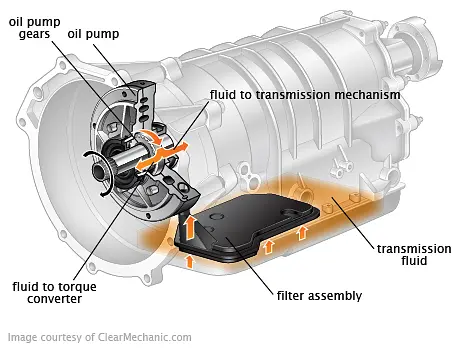
Transmission fluid lubricates gears and keeps things cool. Over time, it breaks down and picks up debris. Dirty or old fluid can cause:
- Hard shifting
- Slipping gears
- Strange noises
- Transmission overheating
Ignoring these signs can lead to expensive repairs. Regular fluid changes help your Grand Cherokee last longer and shift smoothly.
Signs Your Fluid Needs Changing
Watch for these symptoms in your 2014 Grand Cherokee:
- Delayed or rough gear changes
- Fluid smells burnt
- Red or brown leaks under your Jeep
- Warning lights (transmission or check engine)
- Grinding or whining noises
If you notice any of these, check the fluid or schedule a service soon.
Transmission Fluid Change Cost Breakdown
How much should you expect to pay? The cost depends on where you go, your Jeep’s engine, and if you do a full flush or just a fluid replacement.
| Service Location | Estimated Cost | What’s Included |
|---|---|---|
| Jeep Dealer | $350–$500 | OEM fluid, filter, gasket, labor |
| Independent Shop | $250–$400 | Aftermarket or OEM fluid, filter, labor |
| DIY | $90–$200 | Fluid, filter, gasket only |
Dealer service costs more but ensures genuine parts. Independent shops are often cheaper and can use high-quality fluids. DIY is cheapest, but you need tools and some skill.

What Affects The Transmission Fluid Change Cost?
Several factors change the total price:
- Transmission type: 8-speed units use more fluid (7–9 quarts) than older 5-speed types.
- Fluid type: ZF Lifeguard 8 or Mopar ATF+4 are common; ZF fluid is pricier.
- Labor rates: City shops and dealers usually charge more.
- Filter/gasket: Some services include a new filter or pan gasket.
- Flush vs. drain & fill: Full flushes cost more but remove more old fluid.
If your Jeep tows often or drives in hot climates, you may need more frequent service.
Diy Transmission Fluid Change Steps
Changing fluid at home can save money, but it’s not for everyone. Here’s a basic overview:
- Safely lift and support the Jeep.
- Remove the transmission pan.
- Drain old fluid into a container.
- Replace the filter and pan gasket.
- Reinstall the pan; torque bolts to spec.
- Refill with correct fluid (check your manual).
- Run engine, shift through all gears, and top off fluid.
Non-obvious tip: Always use the exact fluid recommended for the ZF transmission. Using the wrong fluid can cause shifting problems or damage.
Dealer Vs. Independent Shop Vs. Diy
Here’s a quick comparison to help you decide:
| Method | Pros | Cons |
|---|---|---|
| Dealer | Factory parts, warranty-safe, expert techs | Most expensive |
| Independent Shop | Lower cost, quality parts possible, local service | Quality varies, warranty risk |
| DIY | Cheapest, full control | Messy, time-consuming, risk of mistakes |
Non-obvious insight: Some shops use a “universal” transmission fluid. Always confirm they use the exact fluid for your Jeep.
How Often Should You Change Transmission Fluid?
Jeep recommends changing transmission fluid every 60,000 miles for normal driving. If you tow, drive off-road, or in extreme heat, change it every 30,000–40,000 miles. Even if the fluid looks clean, age and heat break it down.
Risks Of Skipping Fluid Changes
Ignoring fluid changes can lead to:
- Transmission slipping or shuddering
- Reduced lifespan
- Expensive repairs ($3,000–$6,000 for a rebuild)
A $300 fluid change is cheap compared to a full transmission replacement.
Compatibility And Platform Details
The 2014 Grand Cherokee (WK2) is different from the Jeep JK, JL, TJ, XJ, or older WK. Fluid types, service intervals, and pan designs do not match other Jeeps. Always check you’re ordering parts for the WK2 Grand Cherokee. Never use Wrangler or Cherokee fluid kits—they are not compatible.
Towing, Heavy Use, And Fluid Changes
If you tow a trailer, boat, or use your Jeep for heavy hauling, the transmission works harder. This means the fluid gets hot faster and wears out sooner. Schedule changes more often if you tow or carry heavy loads.
When To Visit A Mechanic
If you feel rough shifts, see leaks, or the transmission light comes on, visit a mechanic soon. Delaying service can lead to much bigger problems.

Frequently Asked Questions
How Much Does It Cost To Change Transmission Fluid On A 2014 Jeep Grand Cherokee?
Expect to pay $250–$500 at a shop or dealer, depending on location and transmission type. DIY costs about $90–$200 for fluid and parts.
Can I Use Any Atf In My Grand Cherokee?
No. Only use ZF Lifeguard 8 or Mopar 8&9 Speed ATF for the 8-speed transmission. Using generic ATF can cause serious damage.
How Often Should I Change The Fluid?
Jeep recommends every 60,000 miles for most drivers, or 30,000–40,000 miles for towing or heavy use.
What Are The Signs That My Transmission Fluid Needs Changing?
Watch for rough shifts, slipping, leaks, burnt smell, or warning lights. These can all signal old or low fluid.
Is A Transmission Flush Better Than A Drain And Fill?
A flush replaces almost all the old fluid, but can stir up debris in high-mileage transmissions. Drain and fill is safer for older, high-mileage Jeeps.
For more technical details, check the official Jeep maintenance schedule.
Suggested internal links:
- Grand Cherokee maintenance tips
- Jeep WK2 common problems
- How to check transmission fluid