If you own a 2013 Jeep Grand Cherokee, you know how important it is to keep your engine running smoothly. One key part that often gets overlooked is the oil cooler.
Without a properly working oil cooler, your engine can overheat and cause serious damage. You’ll discover why the oil cooler matters, how to spot signs of trouble, and what you can do to keep your Jeep’s engine in top shape.
Keep reading to protect your investment and enjoy a reliable ride every time you hit the road.
Oil Cooler Role
The oil cooler in the 2013 Jeep Grand Cherokee plays a key role in keeping the engine safe. It helps control the temperature of the engine oil. This prevents the oil from getting too hot. Hot oil loses its ability to protect the engine well. The oil cooler ensures the oil stays at the right temperature. This helps the engine last longer and run smoothly.
Function In Engine Cooling
The oil cooler works by removing extra heat from the engine oil. Engine oil heats up as it lubricates moving parts. The oil cooler passes the hot oil through thin metal tubes. These tubes cool the oil by releasing heat into the air. Cooler oil flows back into the engine. This cycle keeps the engine oil at a safe temperature. It stops the oil from breaking down too fast.
Impact On Vehicle Performance
The oil cooler helps the engine perform better. Cooler oil reduces engine wear and friction. This means the engine runs more smoothly and quietly. It also helps maintain good fuel efficiency. The cooler oil protects engine parts during tough driving conditions. This can include towing, climbing hills, or driving in hot weather. A well-cooled engine oil means fewer breakdowns and repairs. The oil cooler supports the health of the Jeep Grand Cherokee.

Credit: www.youtube.com
Signs Of Oil Cooler Issues
The oil cooler in a 2013 Jeep Grand Cherokee plays a key role in keeping the engine oil at a safe temperature. When the oil cooler has problems, the engine may overheat or suffer damage. Recognizing signs of oil cooler issues early can save you from costly repairs. Pay close attention to any unusual changes in your vehicle’s performance or fluids.
Some signs are easy to spot, while others may need a closer look. Knowing these signs helps you act fast and protect your Jeep’s engine.
Common Symptoms
One common symptom is oil leaking under the vehicle. This leak often comes from a damaged or cracked oil cooler. Another sign is a sudden drop in engine oil levels without visible leaks.
You might also notice the engine running hotter than usual. Overheating can mean the oil cooler is not working properly. White smoke from the exhaust can show coolant mixing with the oil, which is a serious problem.
Unusual engine noises or rough running can also indicate oil cooler trouble. Pay attention to these signs to avoid bigger engine problems.
Diagnostic Tips
Start by checking the oil and coolant levels. Look for any oil that looks milky or frothy, which means coolant may be leaking into the oil. Inspect the oil cooler for visible cracks or damage.
Use a pressure tester to check for leaks in the cooling system. A mechanic can perform a coolant system pressure test to find hidden leaks. Checking the engine temperature gauge helps spot overheating early.
Listen for unusual engine sounds and watch for warning lights on the dashboard. Regular maintenance and quick checks keep your oil cooler in good shape.
Maintenance Tips
Maintaining the oil cooler in your 2013 Jeep Grand Cherokee is key to keeping the engine cool and running well. Regular care helps avoid costly repairs and extends the life of the cooler. Simple steps can protect this important part from damage and build-up.
Check the oil cooler often and clean it when needed. This keeps the oil flowing and prevents overheating. Follow these easy tips to keep your oil cooler in good shape.
Regular Inspection
Look at the oil cooler every few months. Check for leaks or cracks on the cooler and its hoses. Watch for oil spots or wet areas under your Jeep. Tighten loose fittings to stop leaks. Listen for unusual noises from the cooler area. Early checks catch problems before they grow.
Cleaning Procedures
Keep the oil cooler free from dirt and debris. Use a soft brush or cloth to remove dust on the fins. Avoid strong chemicals that can damage the cooler. Flush the cooler with clean oil or a special cleaner if it clogs. Clean parts help oil flow smoothly and cool the engine well.
Replacement Process
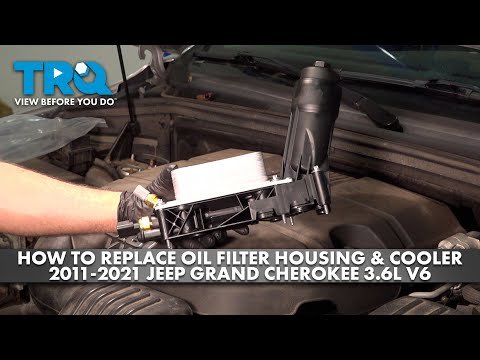
The replacement process for the 2013 Jeep Grand Cherokee oil cooler is straightforward. It helps keep your engine oil at the right temperature. A faulty oil cooler can cause engine problems. Changing it on time saves you from costly repairs. Follow the steps carefully for a smooth replacement.
Required Tools
- Socket wrench set
- Screwdrivers (flathead and Phillips)
- Drain pan for old oil
- Replacement oil cooler
- New oil and oil filter
- Safety gloves and goggles
- Rags or shop towels
- Torque wrench
Step-by-step Guide
- Park the Jeep on a flat surface and let the engine cool.
- Wear gloves and goggles for safety.
- Place the drain pan under the oil cooler area.
- Remove the bolts securing the oil cooler with a socket wrench.
- Disconnect oil lines carefully to avoid spills.
- Take out the old oil cooler and clean the mounting area.
- Install the new oil cooler and reconnect the oil lines.
- Tighten bolts to the manufacturer’s torque specifications.
- Replace the engine oil and oil filter.
- Start the engine and check for leaks.
- Dispose of old oil and parts properly.
Choosing The Right Oil Cooler
Choosing the right oil cooler for your 2013 Jeep Grand Cherokee is important. The oil cooler helps keep your engine oil at a safe temperature. This prevents the engine from overheating and improves its performance. Picking the right one can save you money and trouble down the road.
Oem Vs Aftermarket
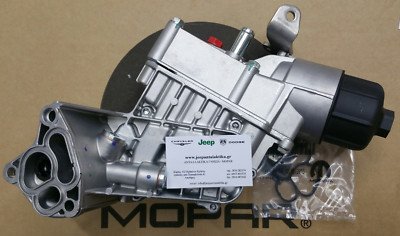
OEM oil coolers come from the Jeep manufacturer. They fit perfectly and meet all quality standards. These coolers are reliable and last a long time. Aftermarket oil coolers are made by other companies. They can be cheaper and offer more choices. Some aftermarket parts may not fit well or last as long. Choose carefully to avoid problems.
Compatibility Considerations
Check if the oil cooler fits the 2013 Jeep Grand Cherokee model. Look at the engine type and size. Some coolers only work with certain engines. Also, check the mounting points and hose connections. A cooler that does not fit right can cause leaks or damage. Make sure the cooler matches your vehicle’s specifications exactly.
Cost And Time Estimates
Understanding the cost and time for replacing the 2013 Jeep Grand Cherokee oil cooler helps in planning repairs. It ensures no surprises during the service. Both parts and labor affect the total expense and duration.
Parts Pricing
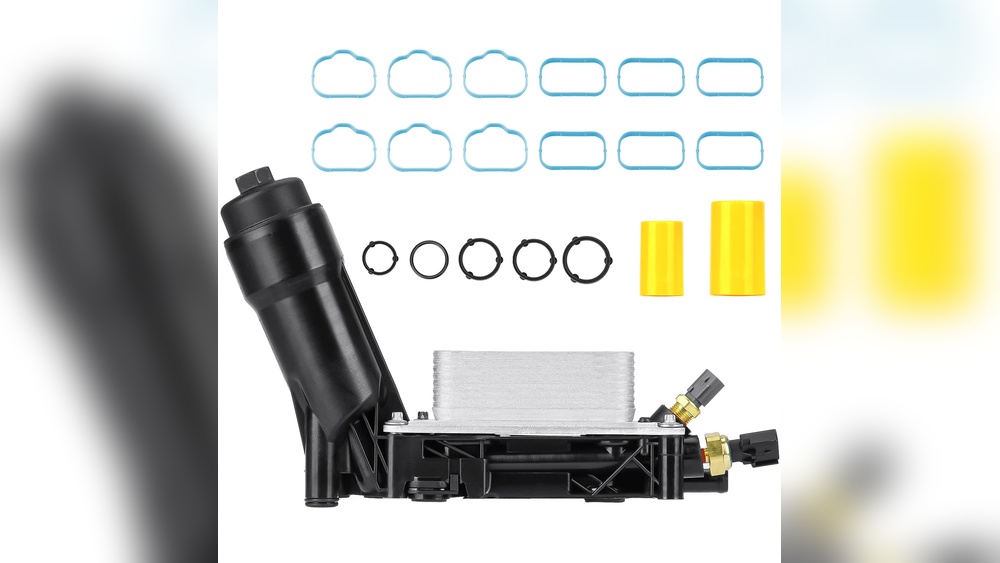
The oil cooler itself costs between $100 and $250. Prices vary by brand and quality. Some kits include additional seals and hoses. Choosing OEM parts may cost more but lasts longer. Cheaper parts might save money but wear out faster.
Labor Time
Replacing the oil cooler usually takes 2 to 3 hours. Experienced mechanics may finish faster. The job involves draining fluids and removing some engine parts. Extra time might be needed if there is damage or leaks. Labor rates vary by location, affecting the final cost.
Preventive Measures
Taking care of the 2013 Jeep Grand Cherokee oil cooler helps keep your engine safe. Preventive measures stop problems before they start. This saves money and avoids breakdowns.
Regular attention to the oil cooler keeps it working well. Dirt, leaks, and wear can cause issues. Early checks find these problems quickly.
Routine Checks
Check the oil cooler for leaks often. Look for oil spots under your car. Inspect hoses and connections for cracks or loose parts. Clean the cooler fins from dirt and debris. Check the engine oil level and quality regularly. Change the oil on time to protect the cooler. These simple steps help the cooler last longer.
Avoiding Common Mistakes
Do not ignore unusual engine heat or oil smells. Avoid skipping oil changes or using the wrong oil type. Never use high-pressure water directly on the cooler fins. Avoid driving with low oil levels. Don’t delay repairs if you find leaks. These mistakes cause serious damage to the oil cooler.
Credit: www.youtube.com
Credit: www.ebay.com
<!– wp:rank-math/faq-block {"questions":[{"id":"faq-question-88715192f3e7","title":"What Is The Oil Cooler In A 2013 Jeep Grand Cherokee?","content":"The oil cooler helps regulate engine oil temperature. It prevents overheating and maintains optimal oil viscosity for engine performance.
“,”visible”:true},{“id”:”faq-question-a3069a17049a”,”title”:”Where Is The Oil Cooler Located In A 2013 Jeep Grand Cherokee?”,”content”:”The oil cooler is typically mounted near the engine or radiator. It connects to oil lines to circulate and cool the engine oil.
“,”visible”:true},{“id”:”faq-question-f1c1374e5d09″,”title”:”How Do I Know If My 2013 Jeep Grand Cherokee Oil Cooler Is Faulty?”,”content”:”Signs include oil leaks, engine overheating, or unusual oil temperature readings. These symptoms indicate the oil cooler may need inspection or replacement.
“,”visible”:true},{“id”:”faq-question-707e0ceea35f”,”title”:”Can I Replace The Oil Cooler Myself On A 2013 Jeep Grand Cherokee?”,”content”:”Replacing the oil cooler requires mechanical skills and proper tools. It’s recommended to seek professional help to avoid engine damage.
“,”visible”:true}]} –>What Is The Oil Cooler In A 2013 Jeep Grand Cherokee?
The oil cooler helps regulate engine oil temperature. It prevents overheating and maintains optimal oil viscosity for engine performance.
Where Is The Oil Cooler Located In A 2013 Jeep Grand Cherokee?
The oil cooler is typically mounted near the engine or radiator. It connects to oil lines to circulate and cool the engine oil.
How Do I Know If My 2013 Jeep Grand Cherokee Oil Cooler Is Faulty?
Signs include oil leaks, engine overheating, or unusual oil temperature readings. These symptoms indicate the oil cooler may need inspection or replacement.
Can I Replace The Oil Cooler Myself On A 2013 Jeep Grand Cherokee?
Replacing the oil cooler requires mechanical skills and proper tools. It’s recommended to seek professional help to avoid engine damage.
Conclusion
The 2013 Jeep Grand Cherokee oil cooler keeps your engine running cool. It helps stop overheating and protects engine parts.
Regular checks make sure it works well. A clean and healthy oil cooler means better car performance.
Don’t ignore strange smells or leaks near the cooler.
Fix problems early to avoid costly repairs. Remember, a working oil cooler extends your Jeep's life.
Take care of it, and your ride stays smooth and strong. Simple steps keep your Jeep ready for every journey.