If you own a 2008 Jeep Wrangler or plan to work on one, knowing the 38 firing order is essential for smooth engine performance. The firing order determines how each cylinder receives spark, influencing power, efficiency, and reliability. Many Jeep enthusiasts struggle with misfires and rough running—often due to incorrect wiring or misunderstanding the firing sequence. In this article, you’ll learn what the firing order is, why it matters, and how to check or fix it. We’ll also explore how the Wrangler compares to similar vehicles and answer common questions. Even if you’re new to working on engines, this guide will help you avoid mistakes and keep your Jeep running its best.
Understanding The Firing Order
The firing order is the sequence in which the engine’s spark plugs fire. For the 2008 Jeep Wrangler with the 3.8L V6 engine, the firing order is 1-2-3-4-5-6. This means cylinder 1 fires first, followed by 2, then 3, and so on. The firing order helps balance the engine, prevent vibrations, and ensure proper combustion.
If the firing order is wrong, the engine will not run smoothly. The wrong cylinder firing at the wrong time can cause the engine to hesitate, stall, or even backfire. In some cases, this can lead to unburned fuel going into the exhaust, which may damage the catalytic converter over time—a repair that can be expensive.
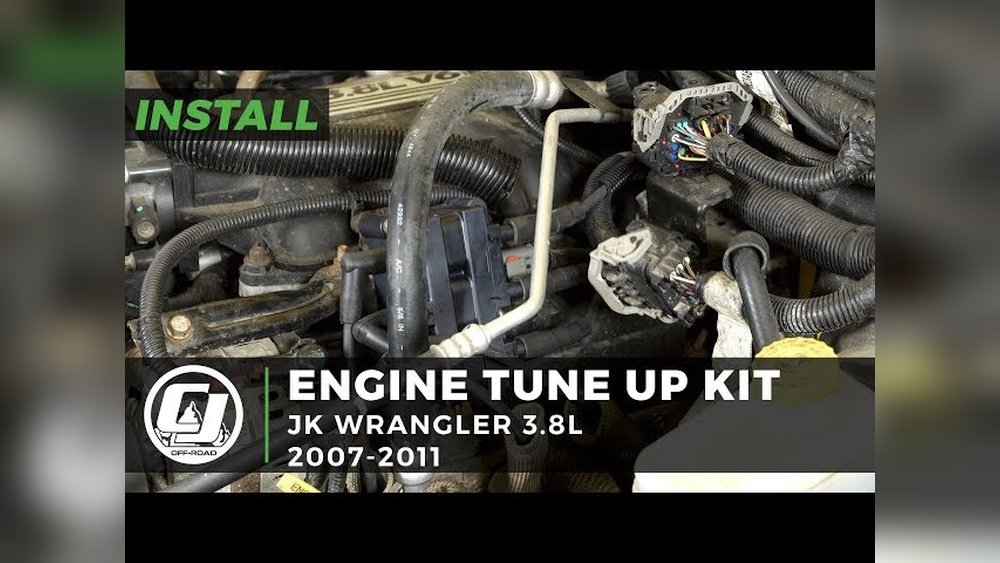
Correct firing order is especially important for V6 engines like the Jeep’s, because their compact design means each cylinder affects the others more than in larger engines.
Why It Matters
A correct firing order:
- Prevents engine damage
- Maximizes power
- Reduces fuel waste
- Minimizes vibrations
If the order is wrong, you may notice engine misfire, loss of power, and even damage over time.
Besides the basic problems, an incorrect firing order can also cause issues that are hard to diagnose. For example, you might hear unusual noises from the engine or notice strong exhaust smells. Some drivers even report that their check engine light comes on, and diagnostic codes point to cylinder misfire issues.
So, if you’ve checked everything else and the problem remains, double-check the firing order.
Cylinder Locations And Spark Plug Wiring
Knowing which cylinder is which is crucial when checking or replacing plugs and wires. The 2008 Jeep Wrangler has six cylinders, arranged in a V pattern.
- Cylinder 1: Front, driver’s side
- Cylinder 2: Front, passenger’s side
- Cylinder 3: Middle, driver’s side
- Cylinder 4: Middle, passenger’s side
- Cylinder 5: Rear, driver’s side
- Cylinder 6: Rear, passenger’s side
Each cylinder has its own spark plug and wire. The wires connect from the distributor (or coil pack) to each spark plug. When connecting spark plug wires, follow the firing order and match each wire to the correct cylinder. Even one wire out of place can create big problems.
It’s easy to confuse cylinder locations if you rush or if the engine bay is dirty. One trick is to label each wire with tape before you remove them. This way, you can put each one back in the right place. Another tip: take a clear photo of the wires before you start. This can save time and headaches if you’re unsure later.

How To Check And Set The Firing Order
- Find the engine diagram: Look for a sticker under the hood or check your Jeep’s service manual. Most Wranglers have a diagram on the fan shroud or near the radiator.
- Locate cylinder numbers: Use the list above or refer to a diagram. This helps you avoid guessing.
- Identify distributor cap terminals: On the 3.8L V6, each terminal connects to a cylinder. There may be numbers on the cap, but always double-check.
- Match wires to cylinders: Connect wires in the 1-2-3-4-5-6 sequence. Start with cylinder 1 and follow the order carefully.
If your Jeep uses coil-on-plug ignition instead of a distributor, each coil fires a specific cylinder. The same firing order applies, but you’ll be connecting coils to plugs directly.
Common Mistakes
- Swapping wires accidentally
- Misreading cylinder locations
- Using wrong spark plug gap
Double-check every connection. Even experienced mechanics sometimes miss these steps.
Another common error is assuming all V6 engines use the same firing order. In fact, different brands and models can have unique sequences. Always use the Wrangler’s specific firing order.
Comparison With Other Jeep Engines
The firing order in the 2008 Jeep Wrangler is not universal. Let’s see how it compares:
| Model Year | Engine | Firing Order |
|---|---|---|
| 2008 Wrangler | 3.8L V6 | 1-2-3-4-5-6 |
| 2007 Wrangler | 3.8L V6 | 1-2-3-4-5-6 |
| 2008 Grand Cherokee | 4.7L V8 | 1-8-4-3-6-5-7-2 |
Notice that the Wrangler’s 3. 8L V6 firing order differs from the V8 engines. Always check your engine type.
It’s also important to note that engine design can change even between similar models or different trims in the same year. For example, the Grand Cherokee’s V8 has a much more complex firing order compared to the Wrangler’s simple V6 sequence.
Swapping information between models without checking first can lead to costly mistakes.

Performance Impact Of Firing Order
The firing order affects engine performance in several ways:
- Smoothness: Correct order reduces vibrations.
- Power: Ensures each cylinder fires when needed.
- Fuel Efficiency: Proper timing saves gas.
A misfire due to incorrect firing order can cause rough idling or stalling.
Incorrect firing order can also lead to long-term reliability issues. For instance, repeated misfiring puts extra stress on the crankshaft and bearings, which can shorten engine life. Some drivers notice that their fuel economy drops sharply if the firing order is off, even if the engine still runs.
This is because unburned fuel isn’t used efficiently, and the computer may try to compensate by adjusting timing and fuel delivery, leading to more problems.
Two often-overlooked results of a wrong firing order: overheating and increased emissions. When combustion does not happen at the correct moment, parts of the engine may get hotter than usual, and more unburned fuel enters the exhaust, causing higher emissions and possible failed inspections.
Data Table: Common Symptoms Of Wrong Firing Order
| Symptom | Possible Cause | Fix |
|---|---|---|
| Rough idle | Miswired spark plugs | Check wiring |
| Engine stalling | Incorrect firing sequence | Reset firing order |
| Low power | Wrong plug gap | Adjust gap |
Other symptoms can include hard starting, backfiring, or even a strong fuel smell from the exhaust. If you notice any of these, it’s smart to check the firing order before spending money on other repairs.

Troubleshooting Tips
- If the engine runs rough, inspect the spark plug wires.
- Use a spark tester to check if each plug is firing.
- Confirm wire connections match the firing order.
- Check for damaged wires or plugs.
- If you replace plugs, use only recommended parts.
A non-obvious tip: If you recently replaced the distributor cap, recheck the firing order—caps sometimes have different markings.
Another tip: If you have a scan tool, check for misfire codes. Codes like P0301, P0302, and so on indicate which cylinder is misfiring. This can help you quickly find and fix firing order errors. Sometimes, cleaning the spark plug boots and terminals with a little dielectric grease can prevent misfires caused by corrosion or poor contact—an easy fix many skip.
Real-world Example
A Jeep owner noticed a sudden loss of power after changing spark plugs. On inspection, two wires were swapped. Fixing the firing order solved the issue immediately. This shows how small mistakes can cause big problems.
Another Jeep enthusiast shared that after a tune-up, their Wrangler developed a rough idle and flashing check engine light. The owner had connected two spark plug wires to the wrong cylinders. After following the correct firing order and double-checking each connection, the engine ran smoothly again, and the warning light disappeared.
These stories highlight that even a simple task like changing spark plugs can lead to major headaches if you’re not careful about the firing order.
Table: Firing Order Reference For Common Suvs
| Vehicle | Engine | Firing Order |
|---|---|---|
| 2008 Jeep Wrangler | 3.8L V6 | 1-2-3-4-5-6 |
| 2008 Ford Explorer | 4.0L V6 | 1-4-2-5-3-6 |
| 2008 Chevy Trailblazer | 4.2L I6 | 1-5-3-6-2-4 |
Different vehicles have different firing orders—even with the same number of cylinders.
So if you help a friend with their SUV, never assume the firing order is the same just because the engines look alike. Always double-check the manual or a trusted source.
Frequently Asked Questions
What Is The Firing Order For The 2008 Jeep Wrangler?
The firing order is 1-2-3-4-5-6 for the 3.8L V6 engine.
How Do I Find The Cylinder Numbers?
Cylinder 1 is at the front driver’s side. The rest follow sequentially: 2 is front passenger’s, 3 is middle driver’s, 4 is middle passenger’s, 5 is rear driver’s, and 6 is rear passenger’s.
If you’re unsure, check your manual or look for a diagram under the hood.
What Happens If I Get The Firing Order Wrong?
You may experience misfires, rough idle, low power, or even engine damage. Sometimes the check engine light will turn on, and you may fail emissions testing. In rare cases, the engine could overheat or stall at dangerous times, like when merging onto a highway.
Can I Use The Firing Order From Another Jeep Model?
No. Always use the firing order for your specific engine type. Other Jeep engines may have different sequences.
Even if two engines are both V6 or both Jeep-branded, the firing order could be different. Using the wrong order can lead to expensive repairs down the line.
Where Can I Find More Detailed Diagrams?
Official service manuals and trusted automotive sites like AutoZone provide diagrams and step-by-step guides.
Correct firing order is a small detail but makes a big difference for your 2008 Jeep Wrangler. Take time to check wiring and diagrams before making changes. This will keep your Jeep running reliably and efficiently for years to come. With a careful approach and the right information, even beginners can handle this task and avoid common pitfalls.