Replacing the rocker panels on a 2005 Jeep Grand Cherokee can make a huge difference in both the vehicle’s appearance and its structural strength. Over time, these panels often rust or get damaged from road salt, moisture, or off-road adventures. While some drivers ignore them, bad rocker panels can lead to failed inspections and further damage. If you care about keeping your Jeep solid for years, understanding the replacement process is essential.
What Are Rocker Panels?
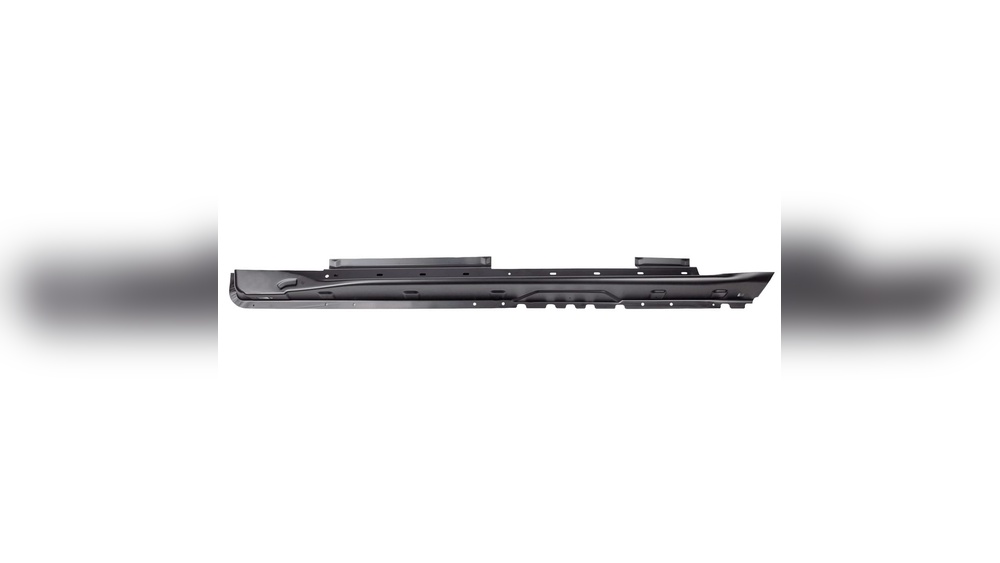
Rocker panels are the long metal pieces located just below the doors on each side of your Jeep. They connect the front and rear of the body, providing important support. On the 2005 Grand Cherokee, they also help shield the frame from rocks and dirt. Damaged or rusted rocker panels can weaken the body and allow water to enter, which can cause even more rust.
Signs You Need Replacement
Most owners first notice problems when they see bubbling paint or rust holes on the lower sides of their Jeep. Other signs include:
- Doors becoming harder to close
- Flakes of rust on the ground
- Visible dents or cracks after off-road use
If you see any of these, it’s usually time for a rocker panel replacement.
Tools And Materials Needed
Before starting, make sure you have these:
- Replacement rocker panels (pre-formed for 2005 Grand Cherokee)
- Angle grinder or cutoff wheel
- Spot weld cutter
- Drill with metal bits
- Welding machine (MIG preferred)
- Rust inhibitor and primer
- Paint to match your Jeep
- Protective gear (gloves, goggles)
- Jack stands and a sturdy jack
Missing even one of these can slow down the job or create safety risks.
Step-by-step Replacement Process
1. Prepare Your Jeep
Park your Grand Cherokee on a flat surface. Use a jack and jack stands to safely lift and support the side you’re working on. Remove the doors if you want more working space—this isn’t required, but it helps.
2. Remove The Old Rocker Panel
Use an angle grinder to carefully cut away the damaged panel. Look for spot welds along the edges; use a spot weld cutter to drill them out. Be patient—rushing can damage the body. Once the welds are removed, pry off the old rocker panel.
3. Clean And Treat The Area
After removal, clean all rust and dirt from the exposed metal. Apply a rust inhibitor to prevent future problems. This is a step many skip, but it adds years to your repair.
4. Test Fit And Trim The New Panel
Hold the new rocker panel in place to check the fit. You may need to trim edges with a grinder. Getting a snug fit is critical for a strong weld.
5. Weld In The New Panel
Clamp the new panel in place. Use a MIG welder to tack it every few inches, then weld solidly along the seams. Let the metal cool between welds to avoid warping.
6. Finish And Paint
Grind down the welds until smooth. Spray with primer, then paint to match your Jeep. Reinstall the doors if removed. Check that everything lines up—poor alignment is a common mistake.

Cost And Time Estimates
Replacing both rocker panels usually takes a full weekend for a DIYer. If you have experience, you might finish in one long day. For cost, expect:
- Aftermarket panels: $80–$150 each
- Tools and supplies: $100–$200 (if you don’t already have them)
- Professional labor: $800–$1600 (for both sides)
Doing it yourself can save a lot, but mistakes can be expensive, so weigh your options.
Common Mistakes To Avoid
- Ignoring hidden rust: Always check inside the panels for deeper rust.
- Skipping rust prevention: Failing to use primer and inhibitor often leads to quick rust return.
- Poor welds: Gaps or weak welds reduce strength and can fail during off-roading.
- Mismatched paint: Test your color on a small spot first.

Comparison: Aftermarket Vs. Oem Panels
If you’re unsure which panels to buy, here’s a quick look:
| Type | Cost (per panel) | Fit | Durability |
|---|---|---|---|
| OEM | $200–$300 | Perfect | High |
| Aftermarket | $80–$150 | May need trimming | Medium to High |
OEM panels fit better but cost more. Aftermarket panels are cheaper but sometimes need a little extra work.
Is Diy Or Professional Replacement Better?
| Factor | DIY | Professional |
|---|---|---|
| Cost | Lower | Higher |
| Skill Needed | High | Low |
| Time | More | Less |
| Warranty | No | Yes (usually) |
If you’re new to welding, consider getting help from a professional or practicing on scrap metal first.
Long-term Maintenance Tips
- Wash your Jeep’s underbody often, especially in winter.
- Check for new rust spots twice a year.
- Use touch-up paint on chips and scratches.
- Keep drain holes clear so water can escape.
These simple steps keep your new rocker panels in good condition much longer.
Frequently Asked Questions
How Hard Is It To Replace Rocker Panels On A 2005 Jeep Grand Cherokee?
Replacing rocker panels is a challenging job for most DIYers. It requires metal cutting, welding, and painting skills. If you have never welded before, it’s better to practice first or get help.
Can You Replace Rocker Panels Without Welding?
Some temporary patch kits use glue or rivets, but for a strong, long-lasting repair, welding is the best method. Non-welded panels may not pass safety inspections.
What Causes Rocker Panels To Rust On These Jeeps?
Most rust comes from road salt, moisture, and mud getting trapped behind the panels. Older Grand Cherokees are especially at risk in snowy climates.
How Much Does A Shop Charge To Replace Both Rocker Panels?
Professional shops usually charge $800–$1600 for both sides, depending on the amount of rust and labor needed. Always get a written estimate.
Where Can I Find Quality Replacement Panels?
You can buy replacement rocker panels online from auto parts stores or at a Jeep dealer. It’s smart to check reviews and choose panels made for your exact model year. For more info, see AutoGuide.
Replacing your 2005 Jeep Grand Cherokee rocker panels is a serious project, but it can give your vehicle new life. With the right tools, preparation, and attention to detail, you can restore both strength and style to your Jeep—saving money and enjoying the process.