For owners of the 2002 Jeep Grand Cherokee Overland, knowing the correct rear end oil type is essential for smooth driving and a long-lasting vehicle. Using the right gear oil keeps your rear differential healthy, prevents expensive repairs, and improves handling. Many drivers overlook this simple maintenance step, but it makes a big difference. If you’re unsure about which oil to use, how much you need, or how to change it, this guide will help.
Understanding Rear End Oil For The 2002 Jeep Grand Cherokee Overland
The rear end, also known as the differential, transfers power from the engine to the wheels. It uses gear oil to reduce friction and protect metal parts. For the 2002 Jeep Grand Cherokee Overland, the correct oil type is SAE 75W-140 synthetic gear oil. This oil is designed for high-performance vehicles and extreme conditions.
Many people think any gear oil will work, but using the wrong viscosity or formula can cause the differential to overheat or wear out faster. The Overland trim often has the Quadra-Drive system, which uses limited-slip differentials. This system needs synthetic oil with friction modifiers to function well.
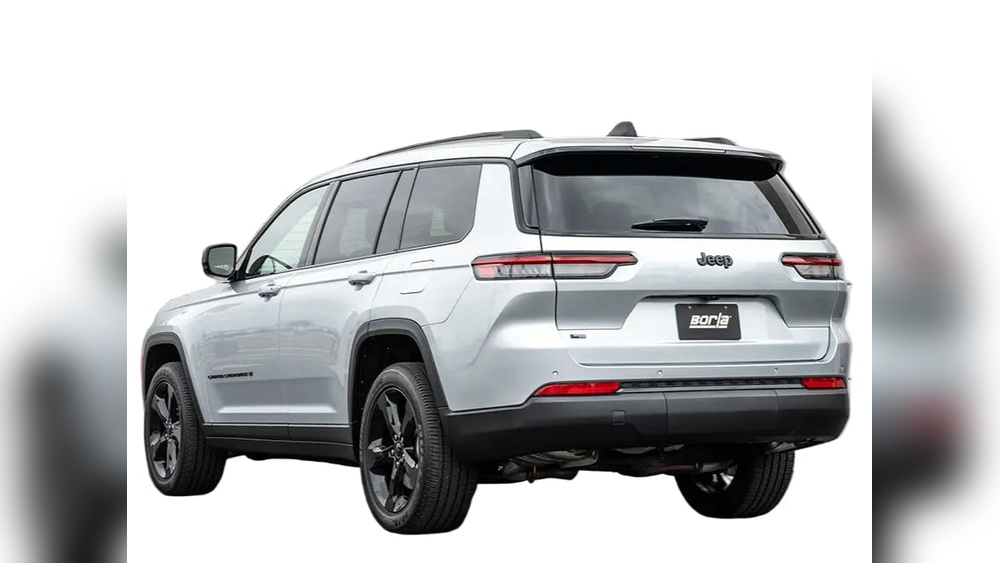
Key Oil Specifications And Quantities
Getting the right oil is important, but so is using the correct amount. The 2002 Overland rear differential typically holds about 2 quarts (1.9 liters) of gear oil. Always check your owner’s manual or the differential cover for exact specifications.
Recommended rear end oil brands:
- Mopar 75W-140 Synthetic Gear Oil (official Jeep recommendation)
- Royal Purple 75W-140
- Mobil 1 Synthetic Gear Oil 75W-140
These brands meet the Jeep standards for performance and durability.
Comparison Of Popular Gear Oils
Here’s a look at how the top gear oils compare for the 2002 Jeep Grand Cherokee Overland:
| Brand | Type | Viscosity | Friction Modifier Needed? |
|---|---|---|---|
| Mopar | Synthetic | 75W-140 | No (included) |
| Royal Purple | Synthetic | 75W-140 | No (included) |
| Mobil 1 | Synthetic | 75W-140 | No (included) |

How To Change The Rear End Oil
Changing rear end oil isn’t difficult, but you must follow the right steps. Doing it yourself saves money and helps you spot early signs of wear.
Step-by-step Rear End Oil Change
- Gather tools and materials: Wrench, drain pan, new gear oil, gasket, and gloves.
- Remove the differential cover: Place the drain pan under the differential. Unscrew bolts and carefully remove the cover.
- Drain old oil: Let the old oil flow out completely. Clean the inside with a lint-free cloth.
- Check for metal shavings: Look for metal bits in the oil or on the magnetic plug. A few small shavings are normal, but large pieces signal trouble.
- Replace the gasket: Install a new gasket to prevent leaks.
- Add new oil: Use a pump or squeeze bottle to fill the differential with 75W-140 synthetic gear oil until it reaches the fill hole.
- Reinstall the cover: Tighten bolts in a criss-cross pattern to ensure a good seal.
Common Mistakes To Avoid
- Using the wrong oil type or viscosity
- Forgetting to use a friction modifier (if oil doesn’t include it)
- Overfilling or underfilling the differential
- Not replacing the gasket
- Ignoring signs of metal shavings
Why Synthetic Oil Matters
Synthetic gear oil lasts longer and handles higher temperatures than regular oil. For the Overland’s advanced Quadra-Drive system, synthetic oil prevents breakdown and keeps the differential working smoothly. It also helps fuel efficiency and reduces noise.
Many owners notice less vibration and quieter operation after switching to synthetic oil. Some also report longer intervals between oil changes—up to 30,000 miles—compared to 15,000 miles with conventional oil.
Data On Synthetic Vs Conventional Gear Oil
| Oil Type | Change Interval | Temperature Tolerance | Recommended for Quadra-Drive? |
|---|---|---|---|
| Conventional | 15,000 miles | Lower | No |
| Synthetic | 30,000 miles | High | Yes |

Signs You Need A Rear End Oil Change
If you notice these symptoms, it’s time to check or change your rear end oil:
- Whining or grinding noises from the rear axle
- Vibration during acceleration
- Burning smell after driving
- Visible leaks under the differential
Ignoring these signs can lead to expensive repairs. For most drivers, changing rear end oil every 30,000 miles is enough, but heavy use (towing, off-roading) may require more frequent changes.
Practical Tips For Jeep Owners
Many beginners miss these important steps:
- Always clean the differential cover before reinstalling. Dirt can cause leaks.
- Check the fill hole level after driving. Sometimes oil settles, and you may need to add a bit more.
Also, never mix different oil brands or viscosities. Stick to one type for best results.

Frequently Asked Questions
What Is The Correct Rear End Oil Type For The 2002 Jeep Grand Cherokee Overland?
The recommended oil is SAE 75W-140 synthetic gear oil with a friction modifier included. Brands like Mopar, Royal Purple, and Mobil 1 are trusted.
How Much Rear End Oil Does The Overland Need?
The rear differential holds about 2 quarts (1.9 liters). Always check your manual for exact capacity.
Can I Use Conventional Gear Oil?
Conventional gear oil is not recommended. The Quadra-Drive system needs synthetic oil to work properly and prevent wear.
How Often Should I Change The Rear End Oil?
Change the oil every 30,000 miles or sooner if you tow heavy loads or drive off-road. Always check for signs of leaks or noise.
Do I Need To Add A Friction Modifier?
If you use Mopar, Royal Purple, or Mobil 1 synthetic gear oil, friction modifiers are already included. If you use a different brand, check the label or add a modifier.
Taking care of your Jeep Grand Cherokee Overland’s rear end oil ensures reliable performance and saves money in the long run. For more detailed specifications, visit the official Jeep maintenance guide at Jeep.com. Proper maintenance is key to enjoying your Jeep for years to come.