Certainly! Here’s your expanded article, following your instructions and keeping the original content and structure, while providing a comprehensive and publication-ready piece.
—
If you’re interested in the 2001 Jeep Cherokee exhaust system, you’re not alone. Many car owners and Jeep fans want to know what makes this system special, how it works, and how to maintain or upgrade it. The exhaust system is a key part of your Jeep, affecting performance, sound, and even fuel economy.
Let’s dive deeper into the world of the 2001 Jeep Cherokee exhaust system, so you can make smart choices for your vehicle.
What Is The Exhaust System In A 2001 Jeep Cherokee?
The exhaust system in a 2001 Jeep Cherokee is a network of pipes, sensors, and components that carries exhaust gases from the engine out of the vehicle. This system does more than just remove gases—it helps reduce pollution, control noise, and improve engine efficiency.
The main parts include:
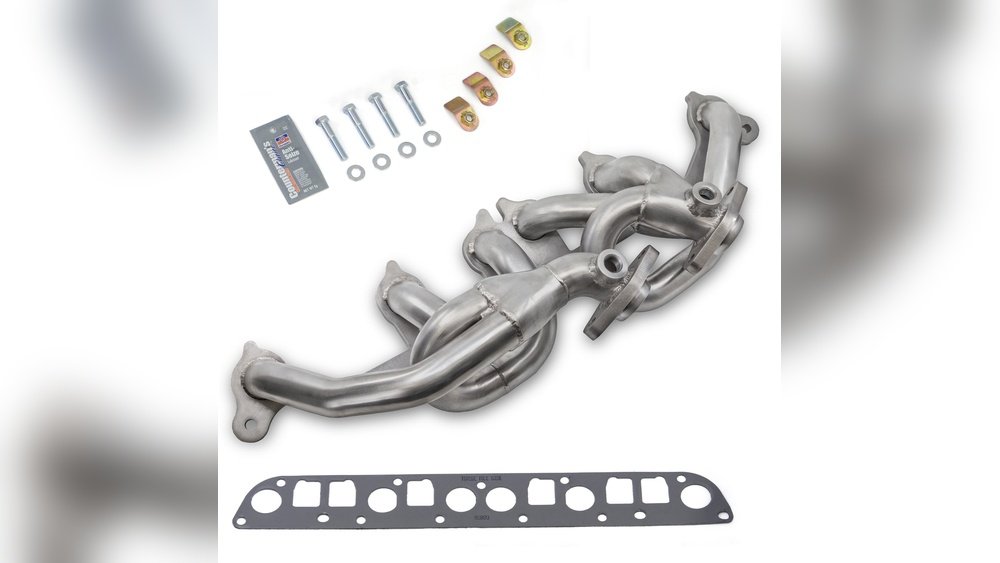
- Exhaust manifold: This is the first part where exhaust gases exit the engine. It collects gas from each cylinder and funnels it into a single pipe.
- Catalytic converter: This device changes harmful gases into less dangerous ones. It’s a legal requirement in most places and helps your Jeep pass emissions tests.
- Oxygen sensors: These sensors measure how much oxygen is in the exhaust gas. They send data to the engine computer, helping it adjust fuel mixture for better performance.
- Muffler: The muffler reduces noise coming from exhaust gases. Without it, your Jeep would be much louder.
- Tailpipe: This is the final exit for exhaust gases. It directs them safely away from the vehicle.
Why Is This System So Important?
The exhaust system keeps your Jeep running smoothly and safely. It controls emissions, which is important for the environment and your local laws. If your exhaust system fails, your Jeep can become noisy, lose power, or even become unsafe to drive.
Non-obvious insight: Many owners don’t realize that a damaged exhaust system can lead to carbon monoxide leaks. This invisible gas is dangerous and can build up in your cabin if there’s a crack or leak in the pipes.
How Does The Exhaust System Affect Performance?
Every part of the exhaust system has a role in how well your Jeep runs. For example, the exhaust manifold and catalytic converter can create backpressure, which affects engine power. If these parts are blocked or damaged, your engine may struggle to “breathe,” leading to lower horsepower and worse fuel economy.
On the other hand, a well-maintained system can help your Jeep run more efficiently. The oxygen sensors keep your fuel mixture balanced, while the muffler helps reduce unwanted sound without hurting performance.
Upgrading For Better Performance
Many Jeep Cherokee owners choose to upgrade their exhaust systems for more power or a deeper sound. Common upgrades include:
- High-flow catalytic converter: This allows gases to pass through more easily, improving performance and sometimes even fuel economy.
- Performance muffler: These mufflers are designed to boost horsepower and create a sportier sound.
- Larger diameter pipes: Bigger pipes can reduce restrictions, but they must be matched to your engine’s needs.
Practical tip: Upgrading exhaust parts can change your vehicle’s sound and emissions. Always check your local laws before making changes, as some modifications may not be legal for street driving.
Common Problems With The 2001 Jeep Cherokee Exhaust System
Like any car part, the exhaust system can wear out or fail. Here are some issues you might face:
Rust And Corrosion
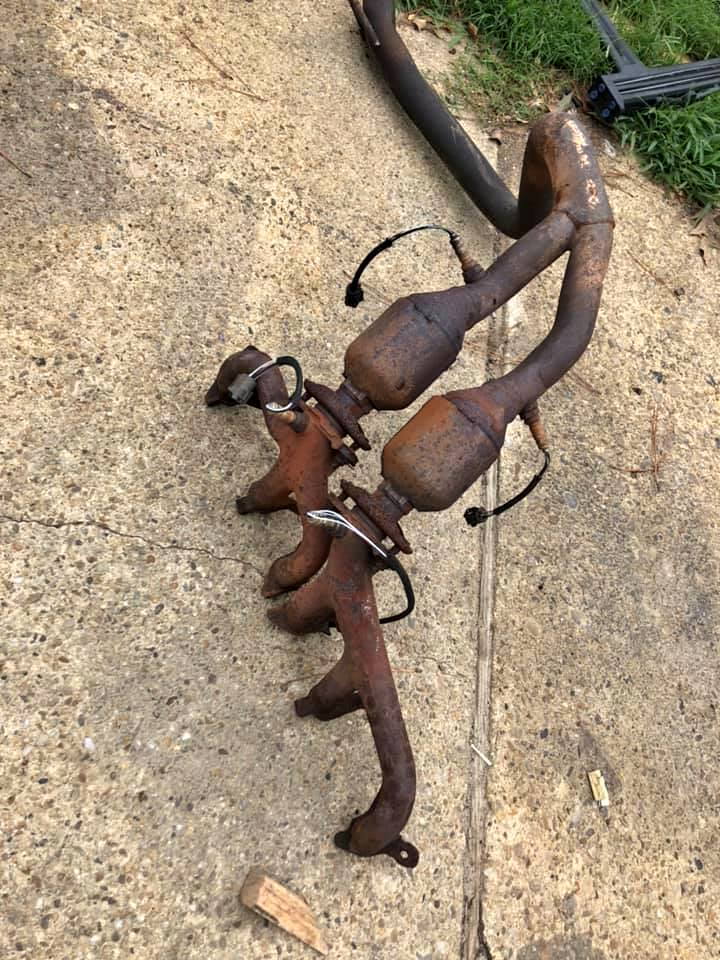
The exhaust system sits under your Jeep, exposed to water, salt, and dirt. Over time, metal pipes and parts can rust. This can cause leaks, holes, or even complete breaks in the system.
Example: In places with heavy snowfall, road salt can speed up rusting. It’s a good idea to wash the underside of your Jeep regularly, especially in winter.
Broken Or Worn-out Muffler
If your Jeep suddenly becomes louder than normal, the muffler might be damaged. Holes or cracks in the muffler let more sound escape, and they can also let harmful gases leak out.
Failed Oxygen Sensors
When oxygen sensors stop working, your engine computer may not mix fuel correctly. This can lead to rough running, lower fuel economy, or even “check engine” lights.
Non-obvious insight: Some drivers ignore a bad sensor because the Jeep still runs. But over time, this can cause bigger engine problems and higher repair costs.
Catalytic Converter Issues
The catalytic converter can become clogged or damaged. This reduces engine power and can cause a rotten egg smell from your exhaust.
Experience-based tip: If your Jeep feels sluggish or struggles to accelerate, a clogged catalytic converter could be the cause. Mechanics can test this part to see if it needs replacement.
How To Maintain Your Exhaust System
A little care goes a long way. Here’s how to keep your exhaust system in good shape:
- Inspect pipes and parts regularly. Look for rust, holes, or loose parts.
- Listen for changes in sound. If your Jeep gets louder, it’s time to check the muffler and pipes.
- Watch for warning lights. If your “check engine” light comes on, have a mechanic scan for exhaust-related codes.
- Clean the underside. Washing the bottom of your Jeep removes salt and dirt, slowing down rust.
- Use quality fuel. Bad fuel can damage sensors and the catalytic converter.
When To Replace Parts
Exhaust parts don’t last forever. Mufflers, pipes, and sensors can last 5–10 years, but rust or damage may shorten their life. If you notice leaks, loud noises, or performance changes, don’t wait—replace damaged parts soon to avoid bigger problems.
Straight-to-the-point helper tip: Replacing just one part, like a muffler or sensor, is often cheaper than waiting until several parts fail together.
Choosing The Right Exhaust Parts For Your 2001 Jeep Cherokee
If you need to replace or upgrade parts, it’s important to pick the right ones. Here’s what matters:
- Fit: Make sure the part matches your Jeep’s year, engine size, and model. The 2001 Jeep Cherokee came with different engines, so double-check before buying.
- Material: Stainless steel resists rust better than regular steel, but it costs more.
- Performance: Decide if you want a stock replacement (for quiet, reliable operation) or a performance part (for power and sound).
- Brand reputation: Read reviews and ask other Jeep owners about their experiences.
Common Buyer Mistakes
- Buying the wrong size: Pipes and mufflers must fit your Jeep’s chassis and engine.
- Ignoring emissions laws: Some aftermarket parts aren’t legal for street use.
- Skipping professional installation: Poorly installed parts can leak or damage other systems.
Friendly mentor tip: If you’re unsure, talk to a mechanic or join a Jeep forum. Other owners can share tips and help you avoid mistakes.
Upgrading The Exhaust: Is It Worth It?
Upgrading your exhaust system can boost performance, improve sound, and even increase resale value. But it’s not always necessary for every driver. If you use your Jeep for daily driving, a stock system may suit you best. If you want more power or a unique sound, upgrades can help.
Example: Off-road fans often choose high-clearance or “cat-back” systems. These give more ground clearance and a deeper exhaust note, making the Jeep feel more rugged.
Troubleshooting: How To Spot Exhaust Problems
Sometimes, issues aren’t obvious right away. Here’s how to spot problems:
- Listen: Rattling, hissing, or loud roaring from under your Jeep can mean a leak or broken part.
- Smell: Unusual odors (like rotten eggs) may point to catalytic converter trouble.
- Feel: If your Jeep vibrates more than usual, a loose pipe or broken hanger may be the cause.
- Look: Check for black soot, rust, or drips under your Jeep.
Calm expert advice: Many exhaust problems start small. Fixing them early can save money and prevent bigger repairs.
Environmental Impact
The exhaust system helps reduce air pollution. The catalytic converter turns harmful gases into safer ones, while sensors help your engine burn fuel more cleanly. Keeping your system in good shape helps protect the environment and keeps your Jeep legal.
Non-obvious insight: Some owners remove the catalytic converter for performance. This can make your Jeep illegal for street use and increase pollution. Always check your country’s laws before making big changes.
If you want to learn more about emissions and regulations, [the EPA website](https://www.epa.gov/automotive-emissions) offers helpful information.
Real-world Experiences With The 2001 Jeep Cherokee Exhaust System
Many Jeep Cherokee owners share their stories online. Some notice their exhaust lasts over a decade with regular care, while others see rust after just a few years in harsh climates. Upgrading to stainless steel parts often leads to longer life and fewer repairs.
Example: One owner in Michigan upgraded to a stainless steel exhaust after several winters caused heavy rust. The new system lasted over ten years, saving money in the long run.
Frequently Asked Questions
Can I Drive With A Damaged Exhaust?
You can drive, but it’s risky. Leaks can let dangerous gases inside your Jeep, and you may fail emissions tests or get fines.
How Much Does A Replacement Cost?
Costs vary. A muffler may cost $100–$300, while a full system could be $500–$1,500. Prices depend on brand, material, and labor.
Will A Performance Exhaust Improve Fuel Economy?
Sometimes. High-flow systems can boost efficiency, but aggressive upgrades may lower fuel economy if they change engine tuning.
Is It Hard To Install Exhaust Parts Myself?
Some parts, like mufflers, are easy for handy owners. Complex jobs, like catalytic converters, may need a professional.
How Often Should I Check My Exhaust?
Check it every oil change, or at least twice a year. Look and listen for changes.

Final Thoughts
The 2001 Jeep Cherokee exhaust system is more than just pipes and mufflers—it’s a vital part of your vehicle’s health, performance, and safety. Understanding how it works, knowing the signs of trouble, and making smart choices about maintenance or upgrades can keep your Jeep running strong for years.
Whether you’re a daily driver or an off-road fan, taking care of your exhaust system is always worth the effort.