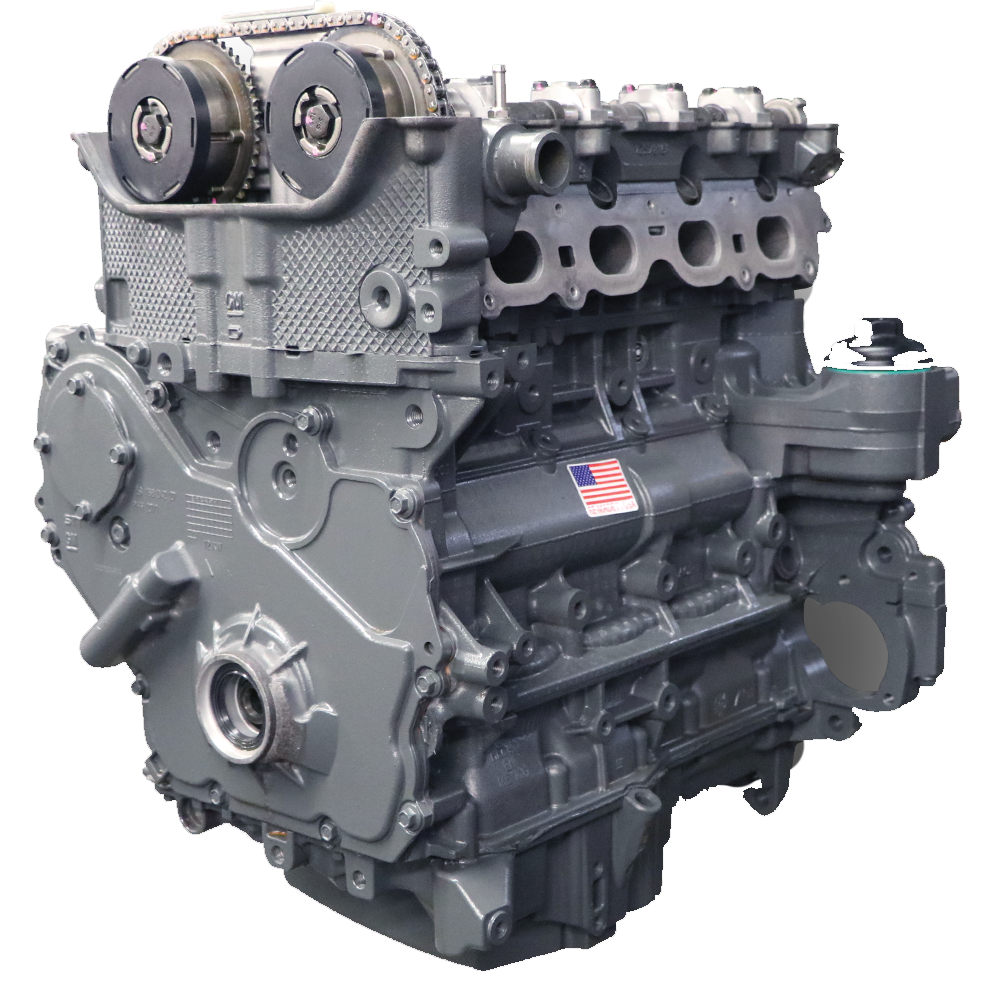
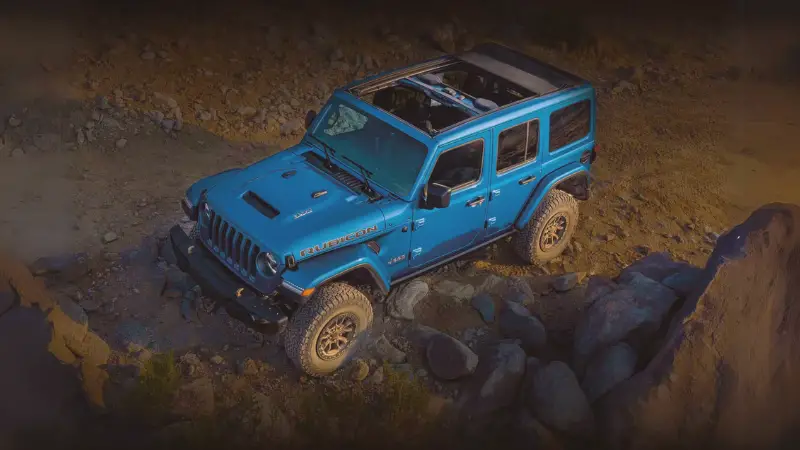
The 2.4L Jeep engine is well-known among Jeep owners for its balance of power and efficiency. Found in vehicles like the Jeep Liberty, Wrangler, and Cherokee, this four-cylinder engine has helped many Jeeps handle both city streets and tough off-road paths. However, no engine is perfect. Over the years, the 2.4L engine has shown some common problems that every owner should know. Understanding these issues can help you prevent bigger repairs and keep your Jeep running smoothly.
Common 2.4l Jeep Engine Problems
Jeep’s 2.4L engine is reliable for many, but it has a few notorious weaknesses. Let’s break down the most frequent trouble spots.
1. Excessive Oil Consumption
Many Jeep owners notice that their 2. 4L engine uses more oil than expected. Some drivers report adding a quart of oil every 1,000–2,000 miles.
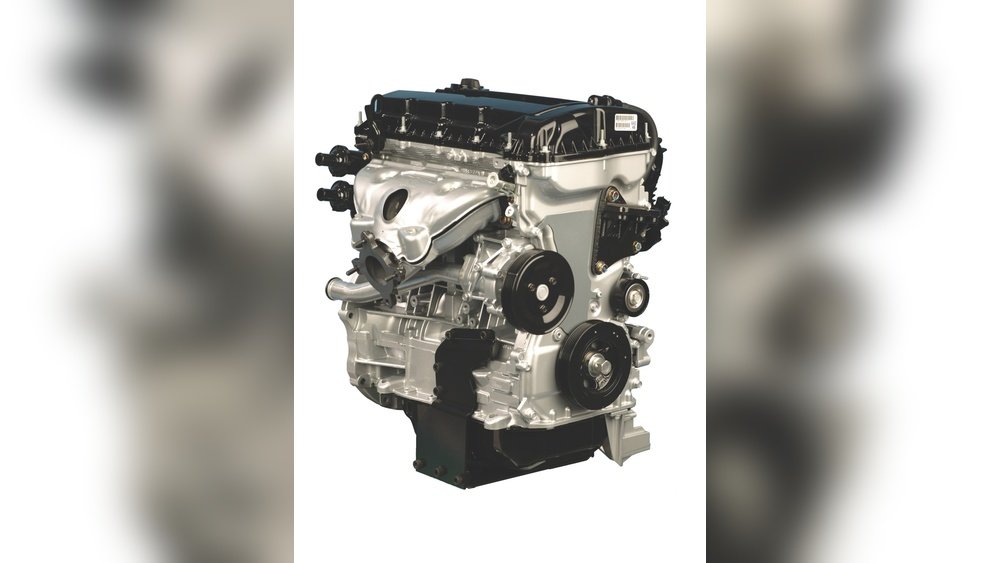
Why does this happen?
- The piston rings may wear out early, letting oil slip into the combustion chamber and burn off.
- The valve seals can also fail, causing similar oil loss.
If you ignore this problem, you risk running the engine with low oil. This can lead to severe engine damage. Always check your oil level regularly and top up if needed.
2. Head Gasket Failure
A head gasket keeps the engine oil and coolant separate. In some 2.4L engines, this gasket can fail at around 100,000 miles or earlier.
Warning signs:
- Overheating
- White smoke from the exhaust
- Coolant loss or oil mixing with coolant
If you see these symptoms, get your Jeep checked immediately. Delaying repairs can destroy the engine.
3. Timing Belt Or Chain Issues
Depending on the model year, the 2.4L may use a timing belt or a timing chain. Both are critical for engine timing.
Problems include:
- Belt or chain stretching or breaking
- Tensioner failure
If the timing mechanism fails, the engine can stop running or suffer internal damage. Jeep recommends replacing the belt or checking the chain every 60,000 to 100,000 miles. This is a job best done before you notice any noise or rough running.
4. Engine Overheating
Some 2. 4L Jeep engines have trouble staying cool, especially in hot climates or during off-road use.
Common causes:
- Failing radiator fans
- Clogged radiators
- Thermostat issues
An overheating engine can warp the cylinder head or ruin the head gasket. Keep an eye on your temperature gauge and fix any cooling system problems early.
5. Sensor Failures
Modern Jeep engines use many sensors for smooth operation. In the 2.4L engine, the crankshaft position sensor and camshaft sensor are known to fail.
Symptoms:
- Hard starting
- Stalling
- Check engine light
Replacing these sensors is not expensive, but ignoring them can leave you stranded.
Comparing The 2.4l Jeep Engine To Other Jeep Engines
Here’s a quick look at how the 2.4L engine stacks up against the popular 3.7L and 4.0L Jeep engines:
| Engine | Displacement | Horsepower | Common Issues |
|---|---|---|---|
| 2.4L I4 | 2.4 liters | 150 hp | Oil consumption, head gasket, timing belt/chain |
| 3.7L V6 | 3.7 liters | 210 hp | Valve seats, oil sludge, head gasket |
| 4.0L I6 | 4.0 liters | 190 hp | Exhaust manifold cracks, rear main seal leaks |
The 2. 4L is lighter and more fuel-efficient but tends to have more oil-related problems than the others.

How To Spot And Prevent 2.4l Engine Problems
Catching issues early can save you thousands in repairs. Here’s how you can protect your engine:
- Check oil levels often, especially if you notice the engine sounds louder or feels rough.
- Watch for coolant leaks under your Jeep or any sweet smell from the engine bay.
- Listen for unusual noises like ticking or rattling, which may signal timing belt or chain problems.
- Respond quickly to the check engine light—get a diagnostic scan to find the real issue.
- Follow Jeep’s service schedule for oil changes and timing belt or chain replacement.
Real-world Example: High-mileage 2.4l Jeep
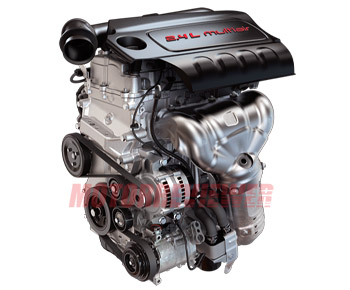
Consider a 2004 Jeep Liberty with the 2. 4L engine. Owners often report adding oil every 1,200 miles after 100,000 miles on the odometer. One driver noticed overheating and found a blown head gasket at 110,000 miles. Regular oil checks and early head gasket replacement could have prevented a full engine rebuild.
Cost To Repair 2.4l Jeep Engine Problems
Repair costs can vary, but here’s a basic idea:
| Problem | Average Repair Cost (USD) | Repair Frequency |
|---|---|---|
| Oil Consumption (piston rings) | $1,200–$2,000 | Common after 80,000 miles |
| Head Gasket Replacement | $1,000–$1,800 | Common after 100,000 miles |
| Timing Belt/Chain | $400–$900 | Every 60,000–100,000 miles |
| Sensor Replacement | $100–$300 | Occasional |
It’s wise to budget for these repairs if you plan to keep your Jeep for the long term.
Two Insights Many Owners Miss
- Oil additives won’t fix worn piston rings. Some products claim to stop oil burning, but if your rings are worn, only a rebuild will solve it.
- Delayed timing belt changes can destroy the engine. Many owners wait too long, thinking the engine feels fine. But when the belt breaks, the repair cost jumps dramatically.
When To Consider A Replacement Engine
If your 2.4L engine needs multiple major repairs, it can be more cost-effective to install a remanufactured engine. This gives your Jeep a new lease on life and may come with a warranty. Always compare the total repair cost with the price of a quality replacement.
For more technical details, you can visit the official Wikipedia page on Chrysler World Engines.
Frequently Asked Questions
Is The 2.4l Jeep Engine Reliable?
The 2.4L engine is generally reliable if well maintained. Most problems come from skipped maintenance or ignoring early warning signs.
How Often Should I Change The Oil?
Change the oil every 5,000 miles or as recommended in your manual. Check levels monthly, especially in older engines.
What Jeep Models Use The 2.4l Engine?
Common models include the Jeep Liberty, Wrangler TJ, Cherokee, and Patriot.
Can I Drive With A Failing Head Gasket?
It’s risky. Driving with a bad head gasket can overheat your engine and cause expensive damage. Repair it as soon as possible.
Is It Worth Repairing Or Replacing The 2.4l Engine?
If your Jeep is in good shape, repairing or replacing the engine can extend its life by many years. Weigh the costs and check if your vehicle is worth the investment.
Taking care of your 2.4L Jeep engine means fewer surprises on the road. Regular checks, timely repairs, and knowing what to watch for can keep your Jeep adventures going strong.